

Analysts warn Hormuz reopening may not reverse economic damage

10 reported
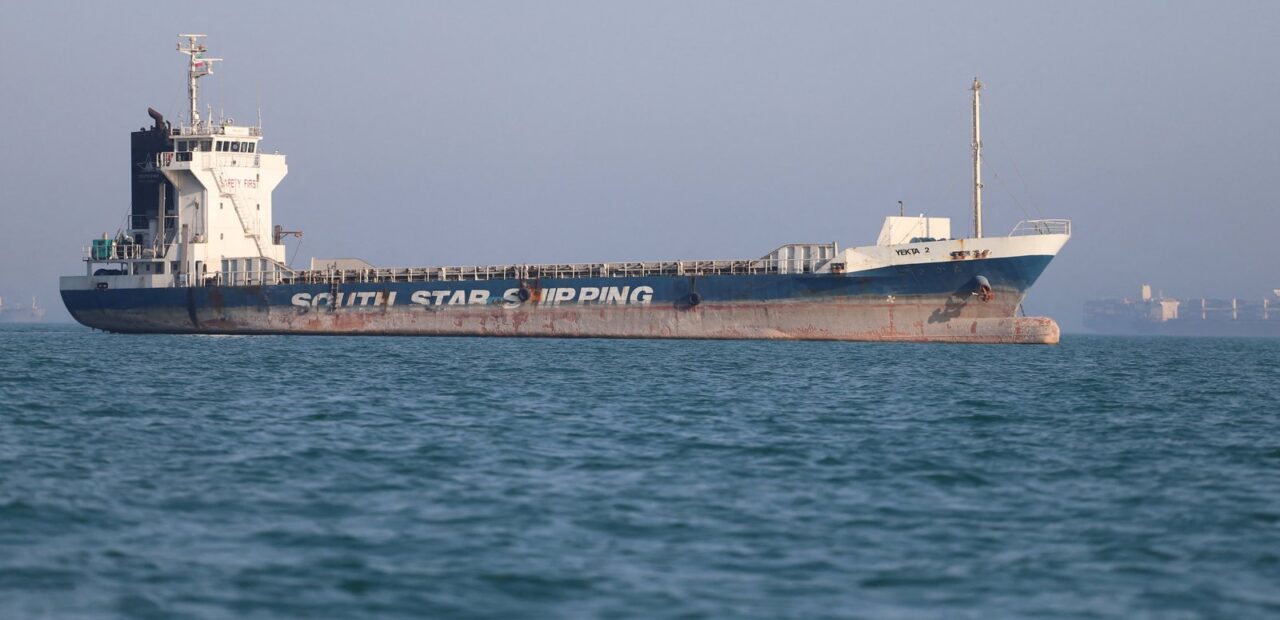
The U.S. and Iran signed a memorandum Thursday to open the Strait of Hormuz, ending a war that has disrupted global energy supply chains, pushed inflation higher, and dented growth outlooks. However, analysts warn that economic damages from the nearly four months of conflict will take months to unwind, with higher inflation already largely "baked in" across many economies. Oil prices retreated to around $80 a barrel on Friday, down from a peak of $118 in March, and Goldman Sachs cut its oil price forecast, citing a faster-than-expected recovery in Persian Gulf crude flows. The World Bank lowered its global economic growth forecast to 2.5% and expects global inflation to climb to 4% this year, up from 3.3% in 2025, even if oil flow disruptions ease. Fertilizer prices could jump as much as 38% this year due to supply disruptions, and Europe faces particular pressure because natural gas storage levels remain historically low. Central banks, including the European Central Bank, the Federal Reserve, and the Bank of England, have adjusted their policies in response to the crisis, with some raising rates or signaling potential hikes.
What’s reported
The U.S. and Iran signed a memorandum Thursday to open the Strait of Hormuz, ending a war that has lasted nearly four months.
Oil prices fell to around $80 a barrel on Friday, down from a peak of $118 in March.
Goldman Sachs cut its oil price forecast, projecting Brent to average $80 in late 2026 and $75 in 2027.
The World Bank lowered its global economic growth forecast to 2.5%, the slowest since the pandemic.
The World Bank expects global inflation to climb to 4% this year, up from 3.3% in 2025.
Fertilizer prices could jump as much as 38% this year due to supply disruptions.
The European Central Bank raised interest rates last week, its first tightening move in nearly three years.
The Federal Reserve, under new Chairman Kevin Warsh, left short-term interest rates unchanged but raised its inflation forecast to 3.6% by December.
The Bank of England kept its policy rates unchanged but warned of logistical delays in restoring energy production and transportation.
A super El Niño threatens agricultural output in the coming months, adding pressure to food inflation.
Key figures
Simon MacAdam, deputy chief global economist at Capital Economics
Kevin Warsh, Chairman of the Federal Reserve
Alex Holmes, regional director at Economist Intelligence Unit
Matteo Lanzafame, director at the Asian Development Bank
Sources: CNBC