


U.S. voting equipment replacement may take decades, cost billions

The Story
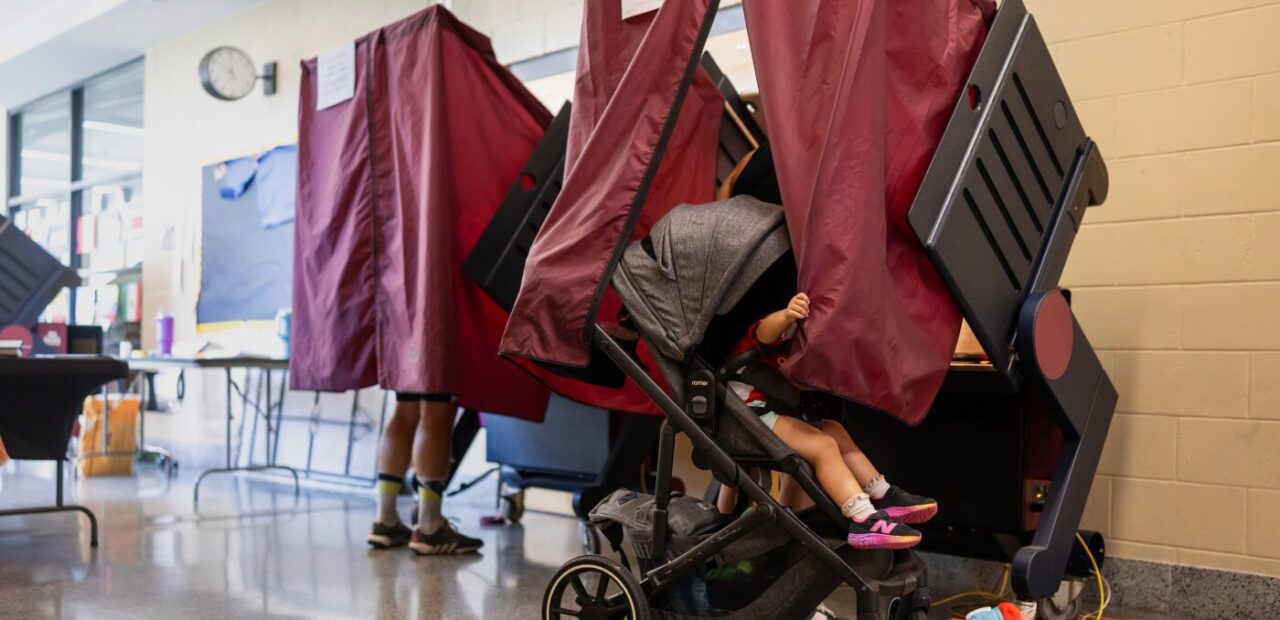
A new report from the Bipartisan Policy Center, shared exclusively with NPR, estimates that replacing aging U.S. voting equipment with systems meeting updated federal security guidelines could cost roughly $2.71 billion and take until the 2040s without significant new federal funding. Louisiana Secretary of State Nancy Landry has told a state Senate committee that replacement parts are no longer manufactured for the state’s decades-old machines, forcing officials to cannibalize parts from dead units. The report warns that by the next presidential election, the average age of voting equipment nationwide will exceed nine years if not replaced.
Key Facts
- Louisiana’s voting machines are more than 30 years old, with replacement parts no longer available.
- The average age of U.S. voting equipment will surpass nine years by the next presidential election if not replaced, according to BPC research.
- Replacing all equipment to Voluntary Voting System Guidelines 2.0 standards would cost about $2.71 billion, based on BPC estimates.
- BPC projects it could be the 2040s before the new standards are widespread.
- Congress has allocated $60 million for elections over the past two years, down from more than $800 million before 2020.
- A correction in the article notes Colorado’s average equipment age is more than two years, not nearly nine as previously indicated.
Conflicting Reports
No conflicting reports identified in the source article.
Still Unclear
The article does not specify the exact date of the next presidential election or detail any specific congressional funding bills under consideration.
Misconceptions
No widespread misconceptions addressed in the source article.
Key Figures
- Nancy Landry, Louisiana Secretary of State
- Will Adler, elections expert at the Bipartisan Policy Center and co-author of the report
- President Trump, noted in the article for issuing an executive order on elections last year referencing the security guidelines
Sources: NPR