



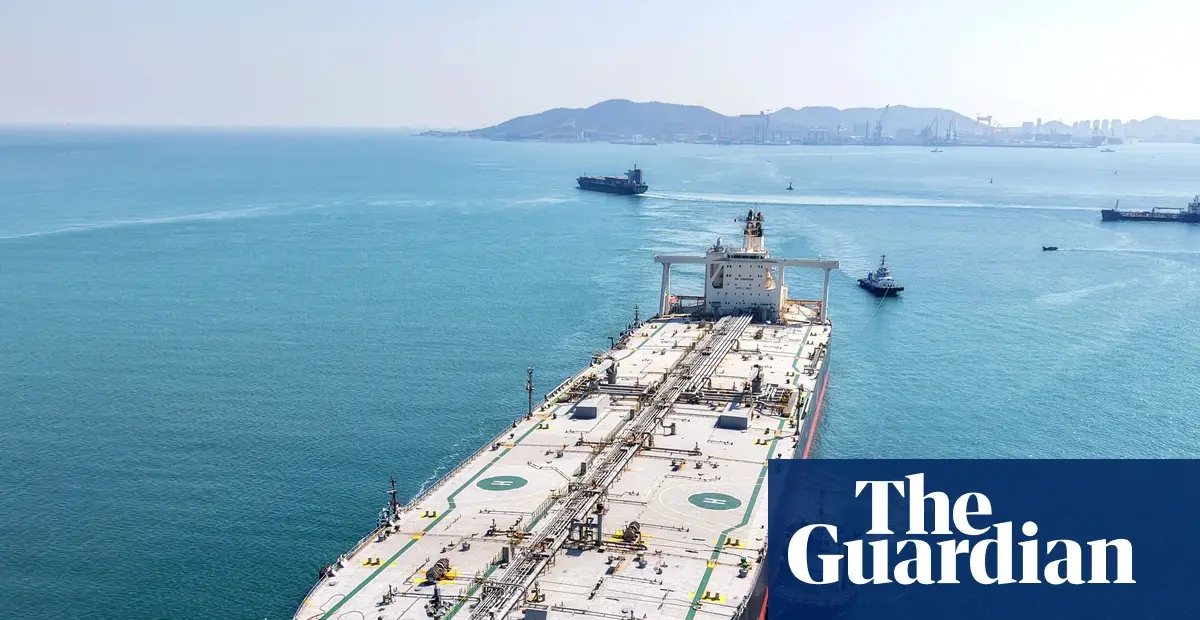
US and Iran Reach Preliminary Deal to End War and Reopen Strait of Hormuz

10 verified6 unconfirmed
President Trump and Iranian officials announced a preliminary agreement aimed at ending the conflict that began in late February and reopening the Strait of Hormuz. A formal signing is scheduled for Friday in Switzerland, with Pakistan’s Prime Minister Shehbaz Sharif having played a central mediating role. Oil prices fell sharply on the news, with global benchmark Brent crude dropping to around $83 per barrel, while stock markets rallied across Wall Street, Europe, and Asia. The deal includes a 60-day negotiating period to address unresolved issues, including Iran’s nuclear program and the lifting of sanctions. Trump stated that the Strait of Hormuz will reopen after the signing for mine removal, restoring a waterway that previously handled about 20% of the world’s oil. Markets responded positively, with the Dow Jones Industrial Average rising 1% to a record high and the S&P 500 up 1.9%. The agreement also ties in a halt to Israel-Hezbollah hostilities, though Israeli officials have said they will keep troops in southern Lebanon indefinitely. Analysts cautioned that a full return to pre-war oil supply levels could take months due to damaged facilities and the need to refill global stockpiles.
What’s verified
President Trump announced a preliminary agreement with Iran to end the war and reopen the Strait of Hormuz, with a signing ceremony set for Friday, June 19 in Switzerland.
Oil prices dropped sharply, with Brent crude falling to around $83 per barrel, a decline of roughly 5%.
Stock markets rallied; the Dow Jones Industrial Average rose 1% to a new record high, and the S&P 500 was up 1.9%.
Pakistan’s Prime Minister Shehbaz Sharif played a key mediating role in the negotiations.
The Strait of Hormuz will reopen after the deal is signed on Friday for purposes of mine removal.
The conflict began on February 28 and effectively halted about 20% of the world’s oil supply through the strait.
The deal includes a 60-day negotiating period to resolve issues such as Iran’s nuclear program and sanctions relief.
Israeli airstrikes on a Hezbollah stronghold in Beirut threatened the talks, and Trump criticized the Israeli action.
Iran made an end to Israel-Hezbollah fighting a condition for the agreement.
Israeli Defense Minister Israel Katz said troops would remain in southern Lebanon indefinitely.
Not yet confirmed
A single source reported that 38 Japanese-linked vessels remain stranded in the Strait of Hormuz.
Only one source mentioned that Trump claimed the U.S. military secretly helped move millions of barrels of oil through the strait via “dark tankers” in recent weeks.
A single source reported that Iran seeks billions of dollars in frozen assets and that Trump told The New York Times Iran would be permitted low-level nuclear enrichment.
Only one source detailed Hezbollah drone attacks into northern Israel on Sunday.
The specific impact on U.S. gasoline prices, and analyst projections from Rystad Energy and Clearview Energy Partners, appeared in only one source.
It remains unclear what happens if a final deal is not reached within the 60-day negotiating period.
Key figures
Donald Trump (U.S. President)
Shehbaz Sharif (Prime Minister of Pakistan)
Israel Katz (Israeli Defense Minister)
Sources: The Guardian, NBC News, NPR