



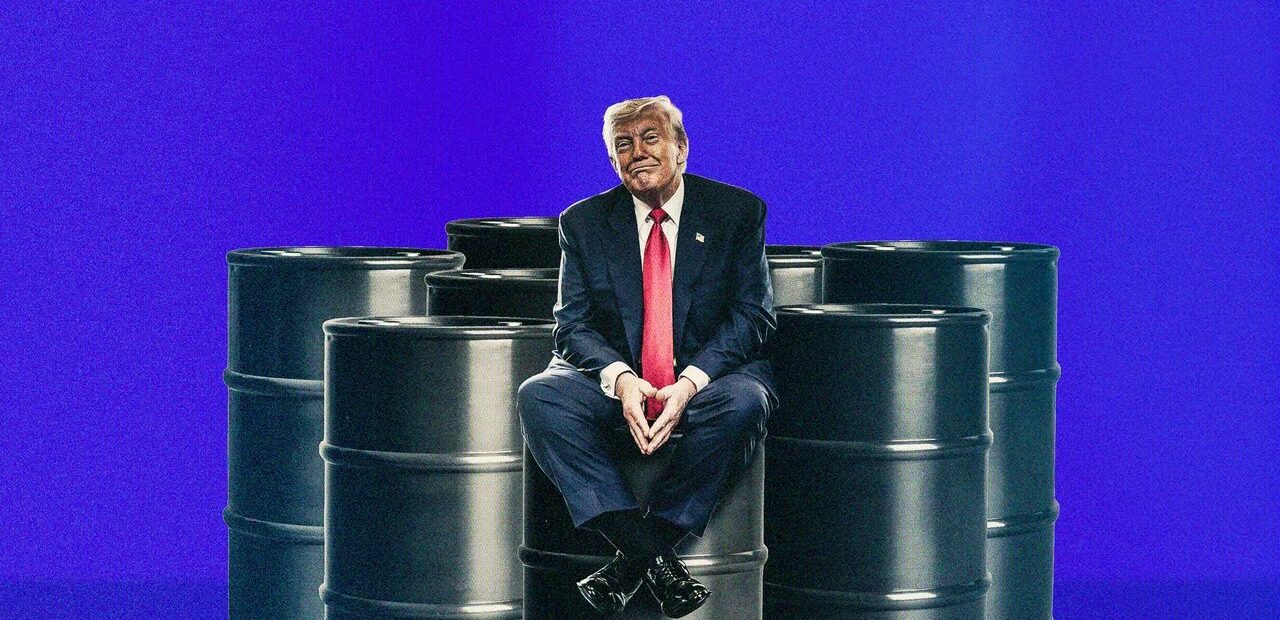
Strait of Hormuz Closure Reaches 100 Days, Oil Prices Remain Stable

10 reported2 unconfirmed
The Strait of Hormuz has been effectively shut for more than 100 days, according to a Wired report. World Trade Organization data cited in the article shows a 95 percent reduction in crude oil shipments from Arabian Gulf ports and a 99 percent reduction in liquefied natural gas carriers. The International Energy Agency has called it “the largest supply disruption in the history of the global oil market.” Despite this, Brent crude is at $87.55 per barrel, the lowest since before the conflict began. Analysts attribute the price stability to buffers, including China’s approximately 1.3 billion barrels in storage, which is being drawn down at around a million barrels a day. The US, Brazil, and Canada have also stepped in to fill part of the void. However, analysts warn that these buffers will run out, with one noting that stocks are approaching operationally critical levels.
What’s reported
The Strait of Hormuz has been effectively shut for more than 100 days.
WTO data shows a 95 percent reduction in crude oil shipments from Arabian Gulf ports and a 99 percent reduction in LNG carriers.
The IEA called it “the largest supply disruption in the history of the global oil market.”
Brent crude is at $87.55 per barrel, the lowest since before the conflict began.
China has approximately 1.3 billion barrels in storage, drawing down at around a million barrels a day.
The US, Brazil, and Canada have stepped in to fill part of the void.
Global oil supply fell 10.1 million barrels per day in March, with OPEC+ production dropping by 9.4 million barrels per day month-on-month.
Analysis by S&P Global CERA estimates restart timelines of 10 weeks to seven months for fields shut down for two months.
IEA executive director Fatih Birol said more than 80 energy facilities have been damaged, and recovery “could take as long as two years.”
The UAE’s national oil company estimates full Hormuz flows won’t resume until 2027.
Open questions
The exact amount of oil that has been moved through the Strait of Hormuz during the blockade remains unknown, with industry tracking complicated by vessels running without AIS transponders.
When the strait will reopen and how quickly oil production can resume is uncertain, with estimates ranging from weeks to years.
Key figures
Matt Stanley, head of market engagement at Kpler
Iman Nasseri, managing director, Middle East of FGE NexantECA
Fatih Birol, IEA executive director
President Donald Trump (mentioned as making a claim about a secret US mission)
Sources: Wired