

UK Supreme Court ruling removes disability safeguards, charities alarmed

9 reported2 unconfirmed
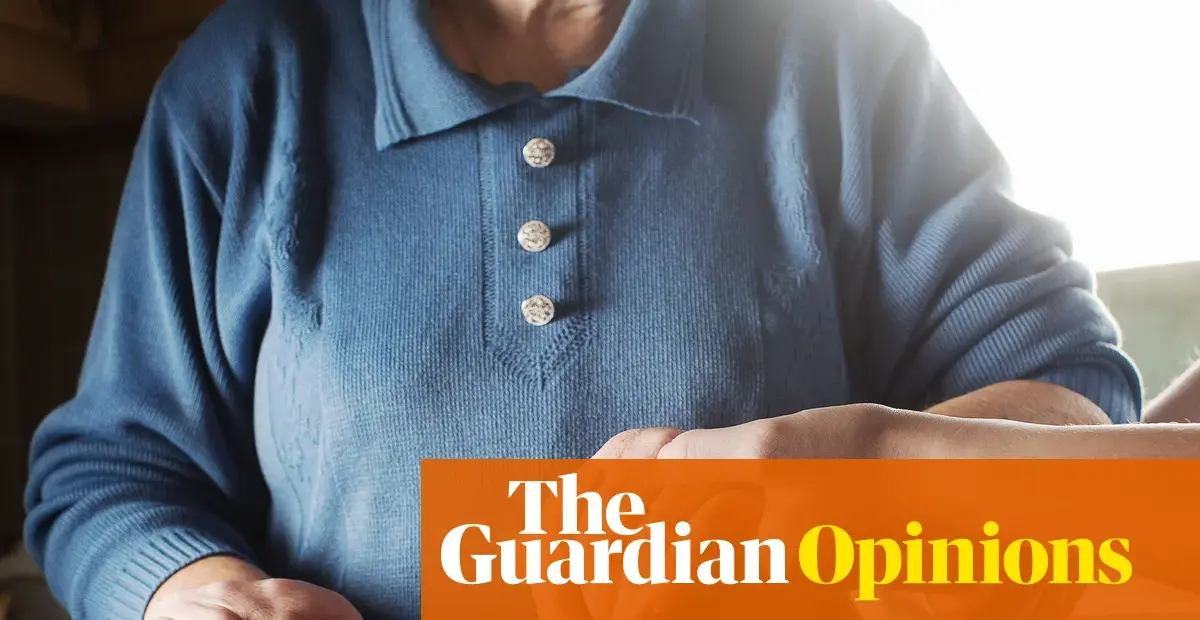
The UK Supreme Court has ended a system of safeguards around the human rights of disabled people that had been in place for over a decade, according to a Guardian editorial. The ruling came on a legal question brought by the attorney general of Northern Ireland. The decision has alarmed charities and disability advocates, pushing a little-discussed aspect of social care regulation into the spotlight. The safeguards, known as deprivation of liberty safeguards (Dols), were part of the Mental Capacity Act and included annual assessments for people under continuous supervision and control who are not free to leave where they live. The system was widely recognized as overwhelmed, with applications rising from about 20,000 per year before a 2014 case to 364,000 in England in the year to April 2025. Northern Ireland succeeded in its application to relax existing rules on the grounds that the 2014 judgment was wrong. The editorial notes that the substance of the ruling is contentious, and the change is taking place without parliamentary debate or a case working through lower courts.
What’s reported
The UK Supreme Court ended a system of safeguards around the human rights of disabled people that had been in place for over a decade.
The ruling came on a legal question brought by the attorney general of Northern Ireland.
The safeguards, known as deprivation of liberty safeguards (Dols), are part of the Mental Capacity Act and include annual assessments.
The system was widely recognized as overwhelmed; applications rose from about 20,000 per year before a 2014 case to 364,000 in England in the year to April 2025.
Northern Ireland succeeded in its application to relax existing rules on the grounds that the 2014 judgment was wrong.
In the original 2014 ruling, Brenda Hale wrote that the “extreme vulnerability” of those involved required erring on the side of caution.
The Northern Ireland executive brought the case, and ministers from the Scottish, Welsh and UK governments were all involved.
The change is taking place without parliamentary debate or a case working through lower courts.
Louise Casey is already reviewing the wider social care system.
Open questions
How the new Dols system will operate and what safeguards will be put in place for those who lost an entitlement.
Why the Department of Health and Social Care supported Northern Ireland’s initiative.
Key figures
Brenda Hale (wrote the original 2014 ruling)
Louise Casey (reviewing the wider social care system)
Attorney general of Northern Ireland (brought the legal question)
Department of Health and Social Care (supported Northern Ireland’s initiative)
Sources: The Guardian