



Fungi networks span 110 quadrillion km, global map reveals

6 reported
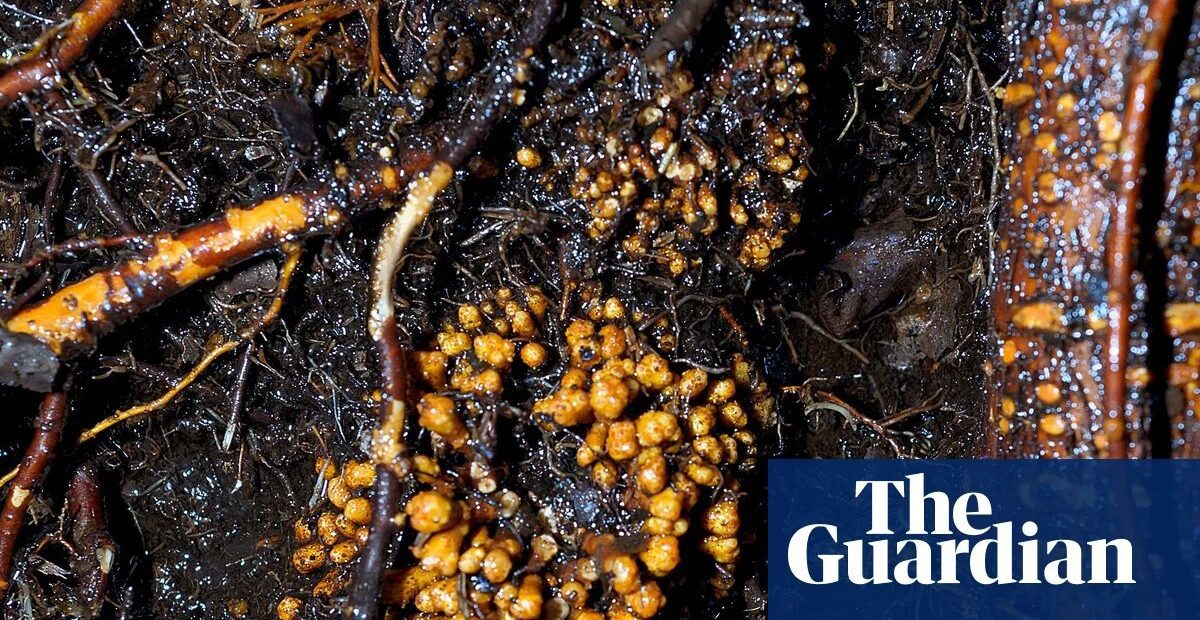
A new study published in Science has produced the first global map of arbuscular mycorrhizal fungi networks, calculating that the subterranean fungal systems stretch a total length of 110 quadrillion kilometers. The research, conducted by the Society for the Protection of Underground Networks (Spun), used machine-learning models with data from more than 16,000 soil cores worldwide. The fungi form partnerships with over 70% of plants and help regulate climate by drawing carbon into soils. The study also found that network densities in cropland are 47.3% lower than in wild ecosystems, with threats including tilling, fertilizers, and fungicides. Researchers warned that loss of fungal networks could reduce soil carbon storage, nutrient distribution, and waterway protection. The findings are expected to be presented to governments at the upcoming desertification Cop in Mongolia in August.
What’s reported
Arbuscular mycorrhizal fungi networks have been forming for about 475 million years.
The total length of the networks is 110 quadrillion kilometers, almost 750 million times the distance from Earth to the sun.
Dr Justin Stewart, lead author, said there could be up to 10 meters of mycorrhizal network in a teaspoon of soil.
Network densities in cropland are 47.3% lower than in wild ecosystems.
Grasslands, including the Everglades in Florida and the Sudd flooded grasslands of South Sudan, had "exceptionally high" density.
The study was published in Science and referred to as "one of the most exciting of my career" by researcher Dr Toby Kiers.
Key figures
Dr Justin Stewart, lead author of the study
Dr Toby Kiers, author of the study
Dr Merlin Sheldrake, biologist and co-author
Sources: The Guardian