


Study: Compact X-ray telescope could map Moon’s surface chemistry

7 reported
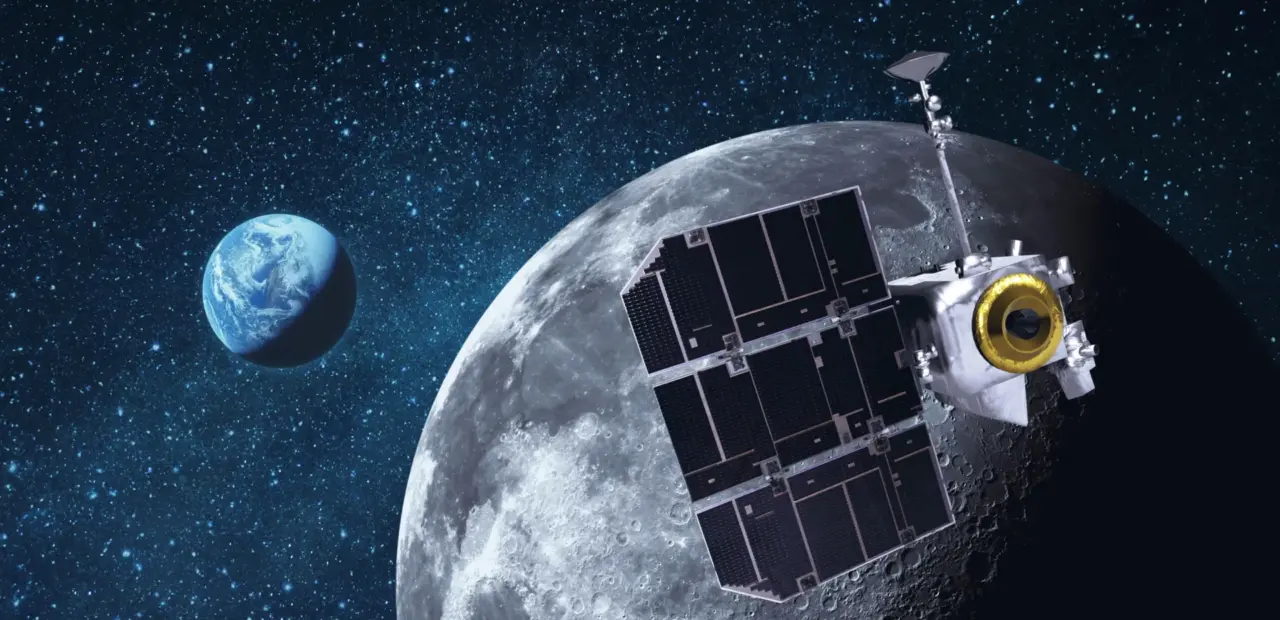
Researchers at Tokyo Metropolitan University used simulations to show that a small, newly developed X-ray telescope could help create a chemical map of the entire lunar surface. The team, led by Airi Toida and Prof. Yuichiro Ezoe, proposed using a compact telescope on a satellite orbiting the Moon. The telescope weighs less than ten kilograms and was originally designed for studying Earth’s magnetosphere. Simulations assuming 300 solar flares per year showed that a single telescope could map five elements across the Moon in two years. A five-by-five array of 25 telescopes could complete the work in one year and map an additional element. The study was published in Earth, Planets and Space and supported by a JSPS KAKENHI grant.
What’s reported
Researchers at Tokyo Metropolitan University conducted the study.
The compact X-ray telescope weighs less than ten kilograms.
It was originally designed for studying Earth’s magnetosphere.
Simulations assumed 300 solar flares per year.
A single telescope could map oxygen, iron, magnesium, aluminum, and silicon in two years using a 70 x 70 kilometer grid.
A 25-telescope array could map those five elements in one year, and with two years could also map sodium using a 30 x 30 kilometer grid.
The study was published in Earth, Planets and Space (2026, Vol. 78, No. 1).
Key figures
Airi Toida (researcher, Tokyo Metropolitan University)
Prof. Yuichiro Ezoe (researcher, Tokyo Metropolitan University)
Daiki Ishi (co-author)
Masaki Numazawa (co-author)
Kumi Ishikawa (co-author)
Sources: ScienceDaily