



Letter calls for targeting ultra-processed food to reduce obesity in Britain

8 reported
A letter published in The Guardian on July 22, 2026, from James Capon of Waterloo, Belgium, argues that British food policy should shift its focus from a "high in fat, salt or sugar" framework to targeting ultra-processed foods. Capon writes that the health select committee is correct to describe obesity as an engineered outcome rather than a failure of willpower, but criticizes the current approach for treating fat, salt, and sugar as equally blameworthy. He states that evidence points to sugar and refined carbohydrates as primary drivers of weight gain and type 2 diabetes, while noting that the body needs salt and fat to function. Capon asserts that the low-fat, calorie-controlled orthodoxy has led manufacturers to replace fat with sweet substitutes while still labeling products as healthier. He calls for holding supermarkets and manufacturers accountable by targeting the ultra-processed food model, which he describes as engineered for shelf life, craveability, and margin using cheap sugar and refined starch. Capon suggests that occasional treats like ice-cream or potato crisps are fine, but the food system making them the cheapest and most advertised choice is the problem. He concludes that the report should push for a shift in the relationship with ultra-processed food based on carbohydrate and sugar reduction, not a "blunt fat-and-salt panic."
What’s reported
The letter responds to a July 15 editorial and a health select committee report on obesity.
Capon argues the "high in fat, salt or sugar" framework is flawed because it treats the three nutrients as equally blameworthy.
Capon states evidence points to sugar and refined carbohydrates as primary drivers of weight gain and type 2 diabetes.
Capon says the body needs salt to function and fat for fat-soluble vitamins, but needs no sugar.
Capon claims the low-fat, calorie-controlled orthodoxy has encouraged manufacturers to replace fat with sweet substitutes.
Capon calls for targeting the ultra-processed food model, which he says uses cheap sugar and refined starch as primary ingredients.
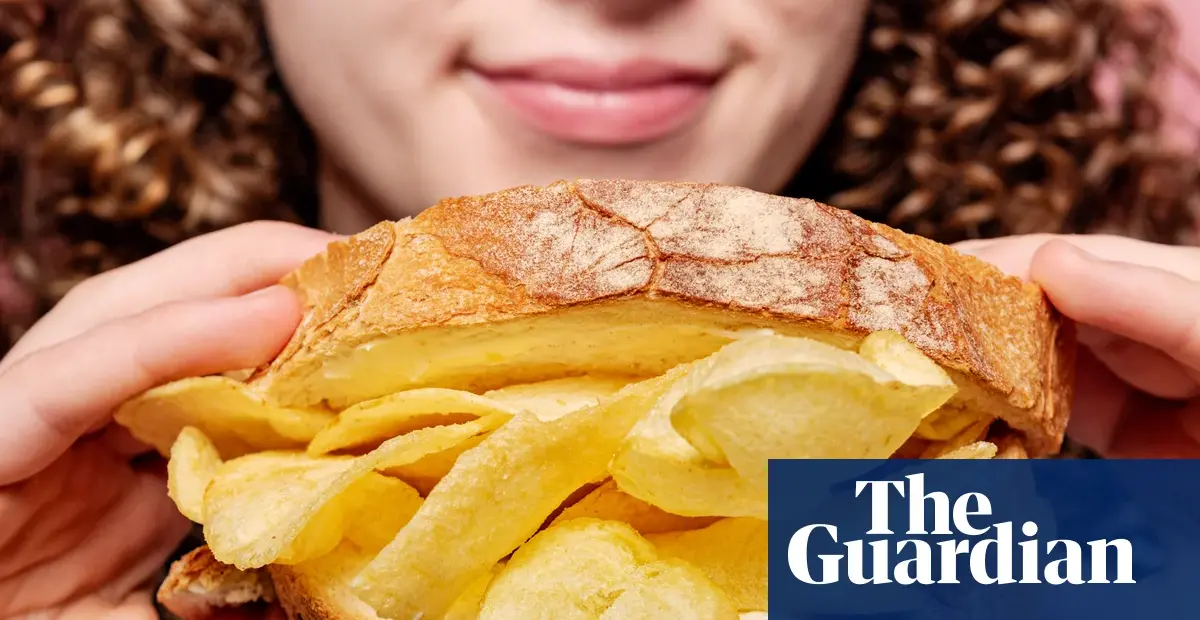
Capon says occasional treats like ice-cream or potato crisps are fine, but the food system making them cheapest and most advertised is the problem.
Capon urges a shift toward carbohydrate and sugar reduction, not a fat-and-salt panic.
Key figures
James Capon, letter writer, Waterloo, Belgium
Sources: The Guardian