


World Cup workers face heat risks, study warns

10 reported3 unconfirmed
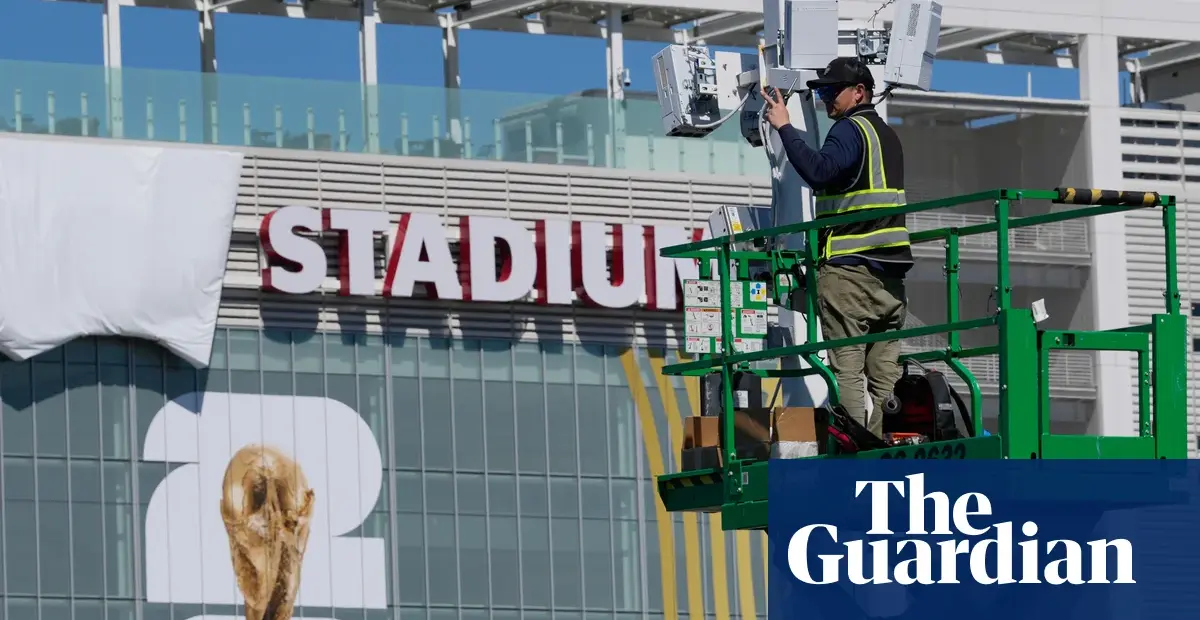
A new study warns that thousands of World Cup workers could face heat-related hazards as the tournament is played across 16 host cities, including 11 in the US. Southern host cities such as Miami, Houston, Dallas and Atlanta are expected to see temperatures topping 85F or even 90F during games. Researchers assessed historical weather conditions and wet-bulb globe temperatures, which measure heat stress from temperature, humidity and wind speed. The study notes that stadiums without air conditioning, including venues in Miami, New York, Philadelphia and Kansas City, may pose greater risks. Workers carrying heavy loads, performing physical labor, wearing mascot costumes, or spending long periods in direct sunlight are considered more vulnerable. Labor advocates and scholars are calling for protections such as mandated breaks, water and shade, but note that Florida and Texas have state laws banning local municipalities from mandating heat protections. FIFA stated it is committed to health and safety, has scheduled many matches for late afternoon and evening, and will deploy cooling measures, work-rest schedules, and medical personnel.
What’s reported
The World Cup is being played across 16 host cities, including 11 in the US.
Southern host cities include Miami, Houston, Dallas and Atlanta, where temperatures could top 85F or even 90F.
Since the World Cup was last held in North America, the planet has warmed by more than 1F.
Heat is the deadliest form of extreme weather.
A study published this week warns thousands of workers could labor in conditions exceeding recommended heat-exposure limits.
Stadiums without air conditioning in Miami, New York, Philadelphia and Kansas City may be more dangerous.
Florida and Texas have enacted state laws that ban local municipalities from mandating heat protections for workers.
Only seven states have enforceable occupational heat safety standards; only California and Washington among them are hosting matches.
FIFA stated it is "committed to protecting the health and safety of all players, referees, fans, volunteers and staff."
FIFA scheduled many matches for late afternoon and evening and will deploy cooling measures, work-rest schedules, and medical personnel.
Open questions
How effective FIFA's announced protections will be in practice.
Whether FIFA will respond to requests from labor advocates for heat-safety training, worker support, and cooling hubs in Miami.
Shift start times for stadium workers, which FIFA did not answer when asked.
Key figures
Jonathan Alingu, co-executive director of Central Florida Jobs With Justice
Andrew Grundstein, geographer and climatologist at the University of Georgia who led the study
Jordan Barab, former deputy assistant secretary of labor at OSHA
Margaret Morrissey-Basler, senior adviser of occupational safety at the University of Connecticut’s Korey Stringer Institute and co-author of the study
Luisangel Rodriguez, spokesperson for SEIU Local 1
Yareliz Mendez-Zamora, policy coordinator for the American Friends Service Committee and immigrant rights organizer in Miami
Sources: The Guardian