


WHO: Ebola Outbreak in DRC Outpacing Response Efforts

The Story
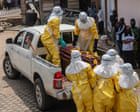
The World Health Organization has warned that the Ebola outbreak in the Democratic Republic of Congo is outpacing response efforts, with neighboring countries at high risk. Attacks by residents on health facilities in Ituri province have hampered the response, leading to patients fleeing and a death during an attack. Uganda has reported two new cases, bringing its total to seven confirmed cases.
Key Facts
- WHO Director-General Dr Tedros Adhanom Ghebreyesus said, “We are urgently scaling up operations, but at the moment the epidemic is outpacing us.”
- There have been 220 suspected deaths so far in the current Ebola outbreak, according to Tedros.
- On Saturday and Sunday, residents of Mongbwalu town attacked the Mongbwalu general referral hospital.
- 18 Ebola patients fled on Saturday after tents were burned; seven more escaped on Sunday during four waves of attacks.
- A suspected patient in critical condition died while trying to flee during the second attack.
- Perpetrators wanted the bodies of Ebola victims released for burial, which authorities handle for containment due to contagion risk.
- On Thursday, a crowd set fire to a treatment center in Rwampara after being denied a victim’s body for traditional burial.
- Earlier this month, Tedros declared the outbreak a “public health emergency of international concern” after more than 300 suspected cases and 88 deaths were reported in the DRC and two deaths in Uganda.
- Uganda announced two new cases on Monday (seven total), both Ugandan health workers in Kampala.
- The outbreak is caused by the rare Bundibugyo ebolavirus, which has no approved treatment or vaccine.
- Hotspots are in Ituri province (Rwampara, Mongbwalu, Nyankunde, Bunia), with cases also in Butembo, Goma, and Bukavu.
- Containment is complicated by insecurity in Ituri and North Kivu and the lack of an approved vaccine.
Conflicting Reports
No conflicting reports identified in the source article.
Still Unclear
No open questions identified in the source article.
Misconceptions
No widespread misconceptions addressed in the source article.
Key Figures
- Dr Tedros Adhanom Ghebreyesus, WHO director-general
- Chikwe Ihekweazu, executive director of WHO’s health emergencies programme
- Dr Richard Lokodu, medical director of Mongbwalu general referral hospital
Sources: The Guardian