


What colonists ate in 1776 and how food defined social class

13 reported
A new article from NPR examines how food defined social hierarchy in colonial America 250 years ago, drawing on interviews with historians and a chef at a historic Annapolis tavern. The report notes that in 1776, social class determined what colonists and enslaved people ate, with the wealthy emulating European cuisine while the enslaved provided the labor and culinary foundations. The article highlights specific foods and dining habits of the Founding Fathers, the role of enslaved chefs, and the contrast between the diets of the gentry and working-class colonists. It also describes how taverns served as social and political centers, and how modern American cuisine has evolved from its European roots.
What’s reported
Arthur Gross has been the chef at Middleton Tavern in Annapolis, Md., for 50 years; the tavern is 276 years old.
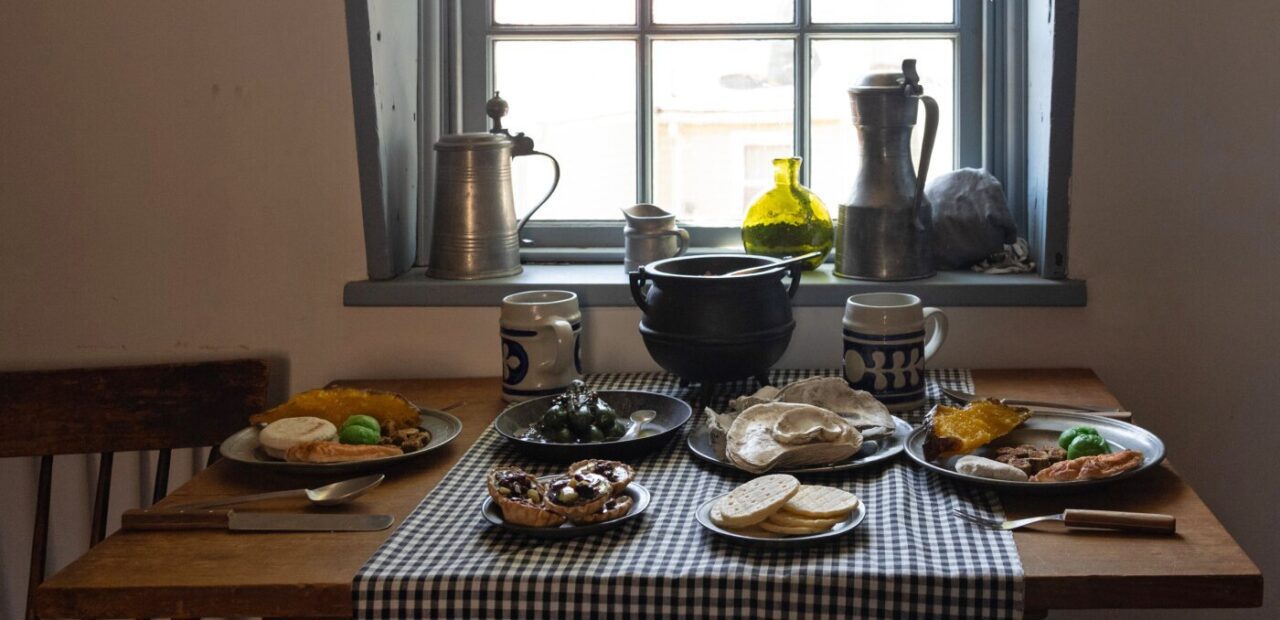
In 1776, seafood such as rockfish and crab dominated the diets of many early colonists in Maryland.
Social class defined the food that colonists and the enslaved ate 250 years ago.
Founding Fathers and gentry class relied on recipes from France and England and imported some food from Europe.
Beef was the most sought-after meat as a status symbol; chicken was eaten on special occasions.
Thomas Jefferson, George Washington, and others defined the food of the time period, according to food historians.
Jefferson loved macaroni and historical records show him toying with schematics for a macaroni-maker.
Washington was concerned about his image and wanted to avoid conspicuous presentations of luxury.
Enslaved chefs James Hemings (for Jefferson) and Hercules Posey (for Washington) were well-known.
Enslaved cooks provided the base for what American food is today, according to author Adrian Miller.
Working-class people ate similar food to the wealthy but without processed items like white flour or sugar.
Colonists drank small beer or weak wine because they lacked ways to purify water.
The article includes a correction noting a previous version misattributed a quote by chef Arthur Gross to author Adrian Miller.
Key figures
Arthur Gross, chef at Middleton Tavern in Annapolis, Md.
Dana Connett, community programs coordinator at Historic Annapolis
Joyce White, local food historian
Adrian Miller, author of The President's Kitchen Cabinet
Sarah Lohman, food historian and author of Eight Flavors: The Untold Story of American Cuisine
Ashley Rose Young, food historian and American history curator at the Library of Congress
Sources: NPR