


Weight-loss doctor warns against unproven GLP-1 microdosing trend

The Story
In an opinion article published by STAT News on May 29, 2026, Dr. Jody Dushay, an assistant professor at Harvard Medical School, warns that “microdosing” GLP-1 medications for cosmetic weight loss lacks scientific evidence and carries unknown risks. Dushay states that there is no single definition of microdosing for weight loss and no legitimate long-term data to support the practice.
Key Facts
- Dr. Jody Dushay says microdosing GLP-1s is “not a thing” and there are no legitimate long-term data to support it.
- The term has been popularized by direct-to-consumer companies selling compounded products that are not FDA-approved GLP-1 therapies.
- None of the compounded products have been studied for short- or long-term safety, efficacy, or weight regain after stopping.
- There is no way to convert dosing of a compounded product to a real GLP-1 because they are sold in different units.
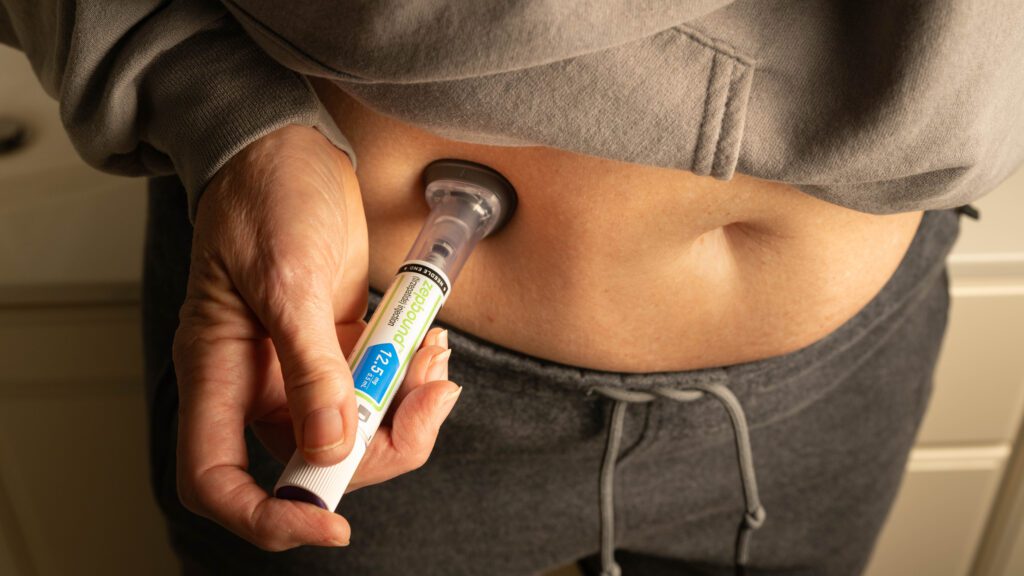
- Some clinics advertise microdosing Zepbound by drawing up less than the full amount in a single-use vial, but this has not been studied and risks contaminating the vial if used more than once.
- FDA-approved doses should only be increased under medical supervision.
- The article notes that research on smaller doses of real GLP-1 therapies for other conditions is ongoing.
Conflicting Reports
No conflicting reports identified in the source article.
Still Unclear
- What exactly is in the compounded products used for microdosing.
- The long-term effects of microdosing GLP-1s.
- Whether smaller doses of real GLP-1 therapies will be effective or safe for conditions like dementia or rheumatoid arthritis.
Misconceptions
- The article addresses the misconception that microdosing GLP-1s is a safe, proven method for cosmetic weight loss or other conditions.
- The article clarifies that individualizing dosing under medical supervision (e.g., adjusting doses for side effects or maintenance) is not the same as microdosing.
Key Figures
- Dr. Jody Dushay, M.D., assistant professor of medicine at Harvard Medical School and attending endocrinologist at Beth Israel Deaconess Medical Center.
Sources: statnews.com