

Venezuela Earthquake Doublet Caused Widespread Building Damage

10 reported
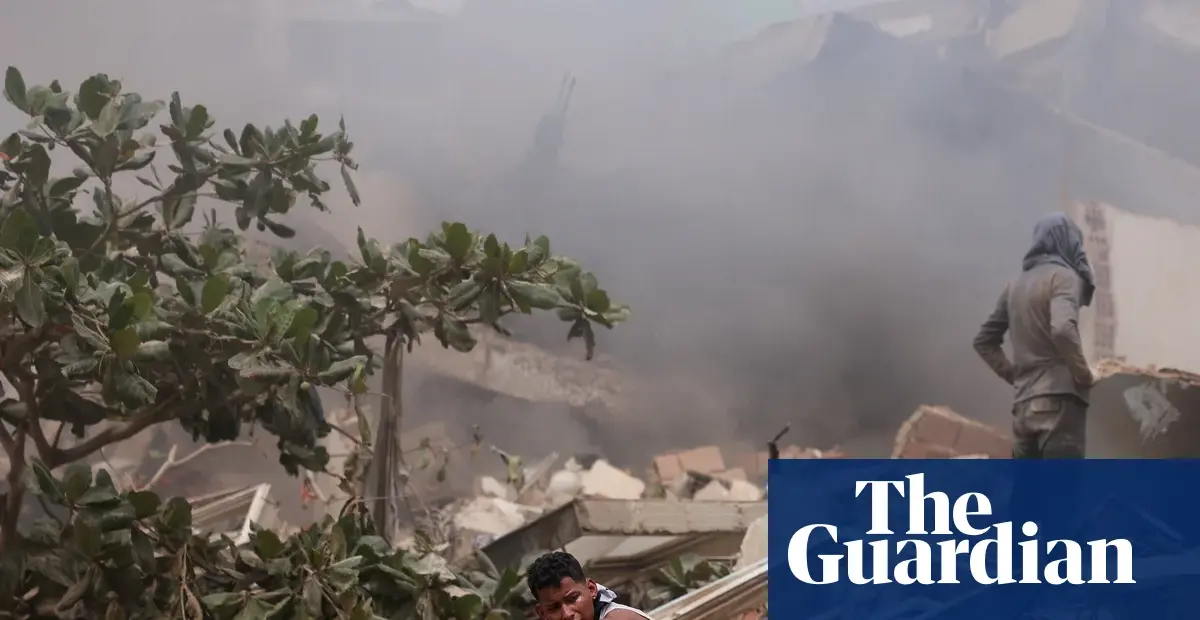
According to a WIRED en Español report, Venezuela experienced a rare seismic doublet on June 24, with earthquakes of magnitude 7.2 and 7.5 occurring just 39 seconds apart. The first tremor had its epicenter in Yaracuy, followed by an even more intense earthquake in the same region. Both occurred at a shallow depth of between 10 and 20 kilometers, causing seismic waves to be felt as far away as Colombia, northern Brazil, and several Caribbean islands. Civil engineer Alan Damián Sánchez Pulido explained that the short interval between the two quakes made them particularly destructive, as many structures sustained damage from the first earthquake and had no opportunity for reinforcement before the second struck. The report notes that not all buildings were affected equally, with factors such as resonance and soil type playing roles in structural performance. Thousands of families remain uncertain about returning to their homes due to structural integrity concerns, and humanitarian organizations have reported shortages of supplies including bandages, suture materials, and specialized rescue tools.
What’s reported
Venezuela experienced a seismic doublet on June 24 with earthquakes of magnitude 7.2 and 7.5 occurring 39 seconds apart.
The first tremor had its epicenter in Yaracuy; the second struck the same region.
Both quakes occurred at a shallow depth of between 10 and 20 kilometers.
Seismic waves were felt as far away as Colombia, northern Brazil, and Caribbean islands including Aruba, Bonaire, and Curaçao.
Civil engineer Alan Damián Sánchez Pulido stated that the short interval between quakes made them destructive because structures damaged by the first could not be reinforced before the second.
Sánchez Pulido noted that resonance and soil type, not just construction quality, influenced which buildings collapsed.
The US committed $150 million to the emergency: $50 million through organizations including World Vision and Samaritan’s Purse, and $100 million to a United Nations fund for Venezuela.
Mexico sent 250 personnel, five search dogs, four aircraft, and a search-and-rescue drone.
Spain deployed teams from the Military Emergency Unit and aid workers.
Humanitarian organization Project Hope identified urgent needs including bandages, suture materials, medications, and specialized rescue tools.
Key figures
Verónica Cañas, resident of Caracas
Eduardo Burger, 50-year-old resident of Altamira
Alan Damián Sánchez Pulido, civil engineer from Mexico’s Ibero-American University and specialist in structural damage assessment
Carolina Armas, 55-year-old resident
Project Hope, international humanitarian organization
Sources: Wired