



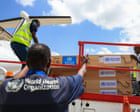
US building Ebola quarantine center in Kenya for Americans amid outbreak

The Story
The Trump administration is constructing a quarantine and treatment center in Kenya for Americans affected by the Ebola outbreak in the Democratic Republic of the Congo, according to a White House official. The facility is intended to provide high-quality care without the risks of lengthy transport back to the United States. Experts have raised concerns about the ethical implications and potential disincentives for health workers.
Key Facts
- The White House confirmed on Wednesday that the US is setting up a facility in Kenya for Americans to quarantine after Ebola exposure in the DRC.
- The center will also treat Americans who contract Ebola, with each case evaluated for forward transport for more advanced care as needed.
- The official did not clarify whether further transport would be to the US or to Europe, nor whether Americans could return to the US if they did not want to go to Kenya.
- The US has banned green card holders and recent travelers from DRC, Uganda, and South Sudan from entering the US.
- Epidemiologist Jennifer Nuzzo stated the approach has “profound ethical concerns” and could amplify virus spread or drive cases underground.
- Jeremy Konyndyk of Refugees International said the policy disincentivizes American health workers from volunteering to contain the outbreak.
- The article notes that risks of transportation are extremely low if a person is not symptomatic, and the US has extensive experience evacuating exposed or infected individuals.
Conflicting Reports
No conflicting reports identified in the source article.
Still Unclear
- Whether forward transport for advanced care would be to the US or to Europe.
- Whether Americans who do not want to go to Kenya are allowed to return to the US.
- How the facility will handle safe quarantine and isolation to avoid spreading the virus.
Misconceptions
No widespread misconceptions addressed in the source article.
Key Figures
- Jennifer Nuzzo, epidemiologist and director of the Pandemic Center at the Brown University School of Public Health
- Jeremy Konyndyk, president of Refugees International, former executive director of the USAID Covid-19 taskforce, and former leader in the 2014-2015 USAID Ebola response
- A White House official (unnamed)
Sources: The Guardian