

UK Bans Social Media for Under-16s, Set to Take Effect Spring 2027

10 verified5 unconfirmed
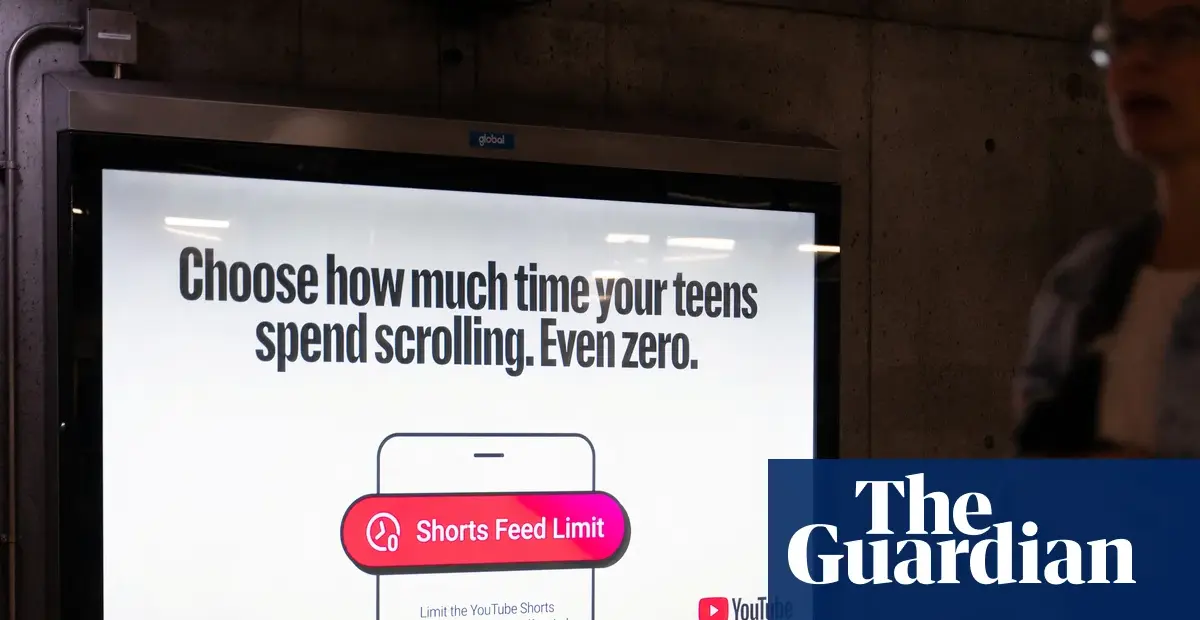
The UK government has announced a sweeping ban on social media for children under 16, a move Prime Minister Keir Starmer said is needed to protect young people from harm. The ban, expected to come into force in spring 2027, will block platforms including Facebook, Instagram, X, TikTok, Snapchat, and YouTube for users under that age. The restrictions also include a ban on livestreaming by under-16s and a prohibition on adults contacting children unsolicited on gaming platforms. Further limits for 16- and 17-year-olds, including a possible overnight social media curfew, are under consideration. The policy follows a similar ban in Australia and comes after a public consultation that drew more than 100,000 submissions. Tech companies have criticized the ban, warning it could push young people toward less safe online spaces. Parental reactions have been mixed, with some welcoming the move and others questioning its enforceability.
What’s verified
The UK government announced a ban on social media for children under 16.
Platforms affected include Facebook, Instagram, X, TikTok, Snapchat, and YouTube.
The ban is expected to come into force in spring 2027.
Prime Minister Keir Starmer said social media is making children "unhappy and unsafe."
The UK ban follows a similar measure in Australia, making it the second country to impose such sweeping limits.
Tech companies including Meta and YouTube criticized the ban, stating it could drive children to less regulated platforms.
The ban also prohibits livestreaming and unsolicited adult contact with under-16s.
Further restrictions for 16- and 17-year-olds, including a possible late-night social media curfew, are being considered.
Ofcom, the media regulator, has been asked to design age verification measures and report by October.
Parental reactions ranged from strong support to concerns about effectiveness and enforcement.
Not yet confirmed
It is unclear whether certain services such as YouTube Kids, Lego Play, and Google Classroom are exempt from the ban, as reported by a single source.
Whether messaging services WhatsApp and Signal are excluded from the ban is reported by only one source.
The exact number of public consultation submissions, cited as more than 100,000, appears in a single report.
The content of the US government’s submission to the consultation, which advocated for narrow restrictions, is mentioned by only one source.
The specific motivations for the timing of the ban, including claims of a leadership challenge, are reported by only one source.
Misconceptions
Some sources address the misconception that the ban is specifically aimed at US technology companies. UK officials have stated the policy is about protecting children, not targeting US tech.
Another misconception addressed is that the ban could enable government tracking. Elon Musk, owner of X, posted that the ban is a “wolf in sheep’s clothing” meant to enable tracking, but the government denies this.
Tech companies and some experts have argued that a blanket ban could push teenagers to more dangerous, unregulated parts of the internet, a counterpoint the sources report.
Key figures
Keir Starmer, UK Prime Minister
Liz Kendall, Technology Secretary
Elon Musk, owner of X
Esther Ghey, mother of murdered teenager Brianna Ghey
Frederika Cook, public policy at Snap
Jay Stoll, YouTube spokesperson
Rowan Ferguson, policy manager at the Molly Rose Foundation
Emily Setty, associate professor of criminology, University of Surrey
Andy Burnham, Greater Manchester mayor
Sources: The Guardian, Wired