



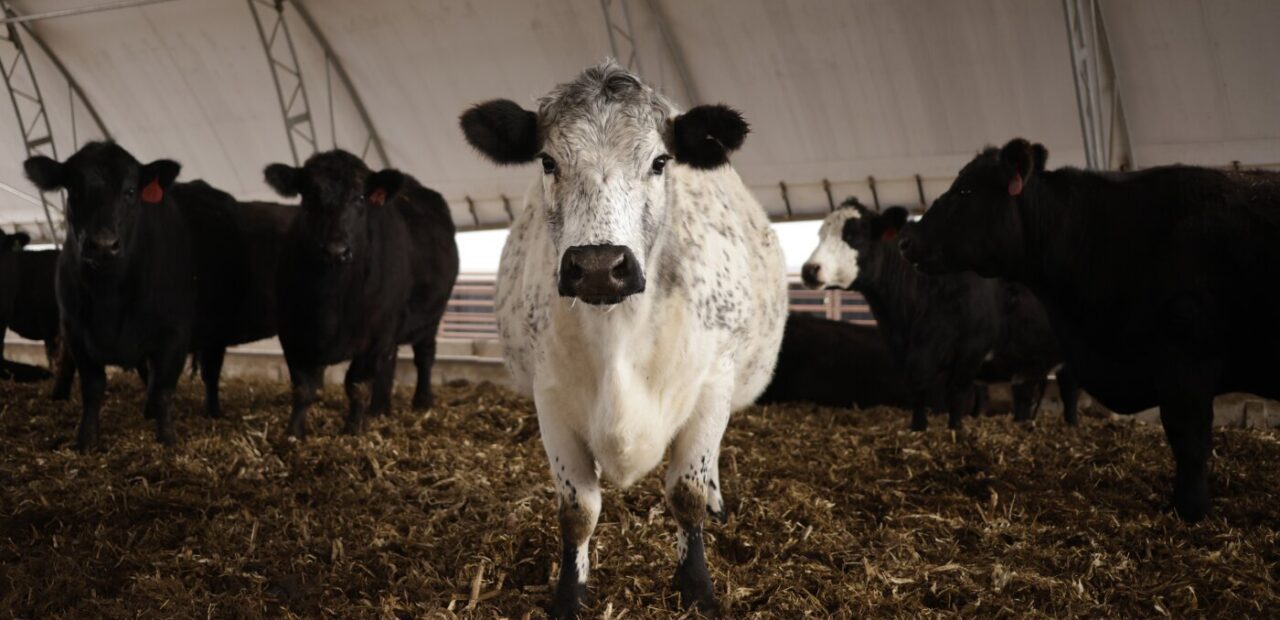
U.S. cattle herd at 75-year low, beef prices rise amid multiple pressures

11 reported
The U.S. cattle herd has fallen to its smallest size in 75 years, with 86.2 million head recorded at the start of 2025, according to USDA data cited by NPR. This decline is attributed to rising costs, drought, international competition, and increased industry consolidation. Fewer farmers and ranchers remain, and record-high cattle prices have prompted many producers to sell livestock rather than rebuild herds. Despite the smaller herd, U.S. beef production has stayed steady because cattle are now larger, with finished animals weighing 200 to 300 pounds more than in the 1950s. A parasitic fly, the New World screwworm, detected near the U.S.-Mexico border, led to a May 2025 ban on live cattle imports from Mexico, which had supplied about 62% of U.S. cattle imports from 2020 to 2024. The Trump administration has directed the Justice Department to investigate the top four meatpackers for potential collusion and price fixing, and has increased beef imports from Argentina to address surging prices. Cattle producers report that higher operational costs, difficulty borrowing money, and loss of farmland are making farming more challenging, with the median U.S. farmer now 58 years old.
What’s reported
The U.S. cattle herd was 86.2 million head on the first day of 2025, the lowest since 1951.
Factors include rising costs, drought, international competition, and industry consolidation.
Record-high cattle prices have led producers to sell livestock and avoid rebuilding herds.
U.S. beef production remained stable because cattle are larger; a steer that weighed 1,000 pounds in the 1950s may now weigh 1,500 pounds.
The New World screwworm, detected in Mexico less than 70 miles from the U.S. border, led to a May 2025 ban on live cattle imports from Mexico.
Mexico accounted for about 62% of U.S. cattle imports between 2020 and 2024.
Four companies have controlled more than 80% of the U.S. cattle-processing market since 1995.
In November, President Trump directed the Justice Department to investigate JBS, Cargill, Tyson Foods, and National Beef for potential collusion and price fixing.
The U.S. imported a record 4.64 billion pounds of beef in 2024, a 24% increase over the previous year.
The USDA reported 882,692 cattle operations in 2017 and 732,123 five years later, a 17% decline.
The median U.S. farmer is 58 years old, according to a 2023 Senate report.
Key figures
Bill Bullard, CEO of R-CALF USA
Amanda Hall, farmer in Lexington, Ky.
Reid Hall, farmer in Lexington, Ky.
Jason Cleere, professor and extension beef cattle specialist at Texas A&M University
Scott Wilbeck, pet-funeral director and co-owner of two Texas cattle operations
Brooke Rollins, Agriculture Secretary
President Trump
Sources: NPR