



U.S. and Iran Exchange Strikes Amid Fragile Ceasefire

3 verified1 unconfirmed1 contested
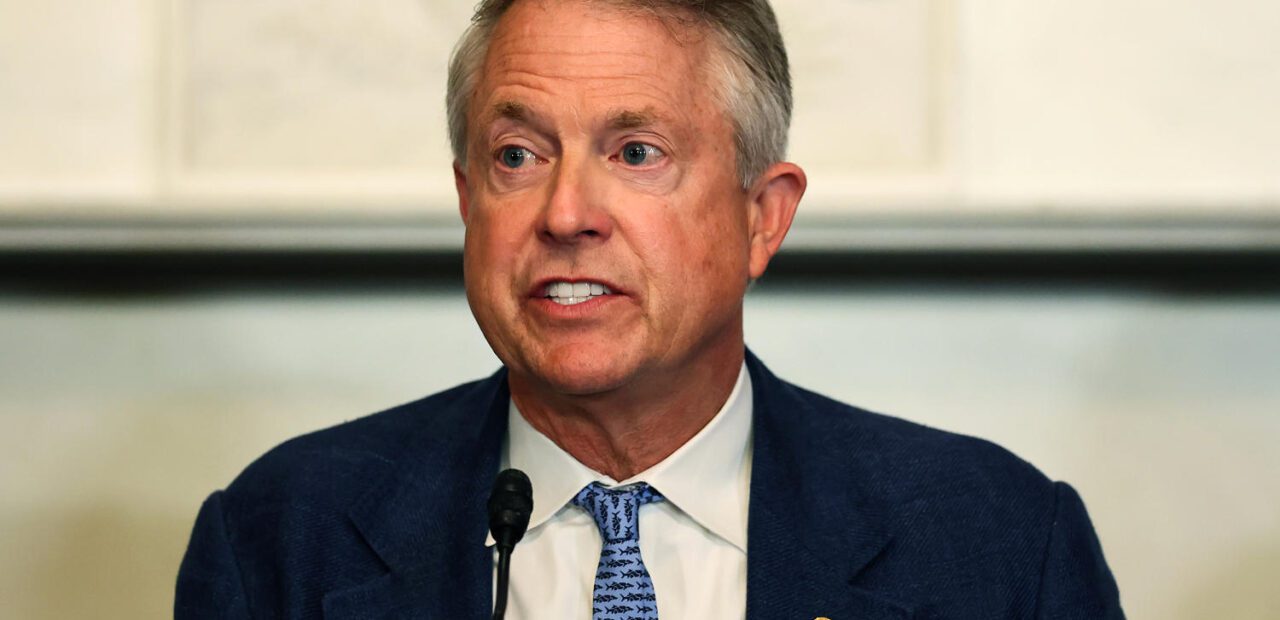
The United States and Iran exchanged military strikes over the weekend, testing the durability of a recent ceasefire agreement. U.S. Central Command said it launched retaliatory attacks on Iranian military targets after Iran struck a tanker in the Strait of Hormuz. Iran then responded with drone and missile attacks on Bahrain and Kuwait, according to Iranian state media. Both nations signed a memorandum of understanding earlier this month outlining a 60-day path to resolve disputes, including control of the Strait of Hormuz and sanctions relief. Sen. Roger Marshall described the U.S. operations as a “mop-up operation” and said the major conflict is over. President Trump accused Iran of violating the ceasefire. Iran’s Revolutionary Guard Corps warned it could halt negotiations if U.S. attacks continue.
What’s verified
The U.S. launched military strikes against Iranian targets in retaliation for an Iranian attack on a tanker in the Strait of Hormuz.
Iran and the U.S. signed a memorandum of understanding this month aimed at ending the conflict.
U.S. Central Command said its strikes hit 10 Iranian military targets, including surveillance and air defense sites.
Where accounts differ
The sources differed on when the memorandum of understanding was signed: one said last week, another said earlier this month. One source described the U.S. strikes as occurring over two days in response to separate Iranian attacks, while the other described a single set of strikes on Saturday.
Not yet confirmed
Only one source reported Sen. Marshall’s comment describing the war as a “mop-up operation” and his statements linking the ceasefire to the SAVE America Act and a housing bill. Only one source reported that Iran’s Revolutionary Guard claimed responsibility for strikes on Bahrain and Kuwait, that Hezbollah killed an Israeli soldier in southern Lebanon, and that President Trump threatened to “militarily complete the job” if Iran continued violations. Only one source reported that Iran’s parliament speaker called for an urgent meeting of a conflict control unit with the U.S. and Lebanon. The sources did not clarify whether the Iranian strikes on Bahrain and Kuwait caused any casualties.
Key figures
Sen. Roger Marshall (R-Kan.)
President Donald Trump
Iranian Foreign Minister Abbas Araghchi
Lt. Gen. Eyal Zamir (Israel’s military chief of staff)
Hezbollah leader (unnamed in source)
Mohammad Bagher Qalibaf (Iran’s parliament speaker)