

Trump rejects Iran counterproposal as Tehran vows not to bow, war continues

13 reported3 unconfirmed
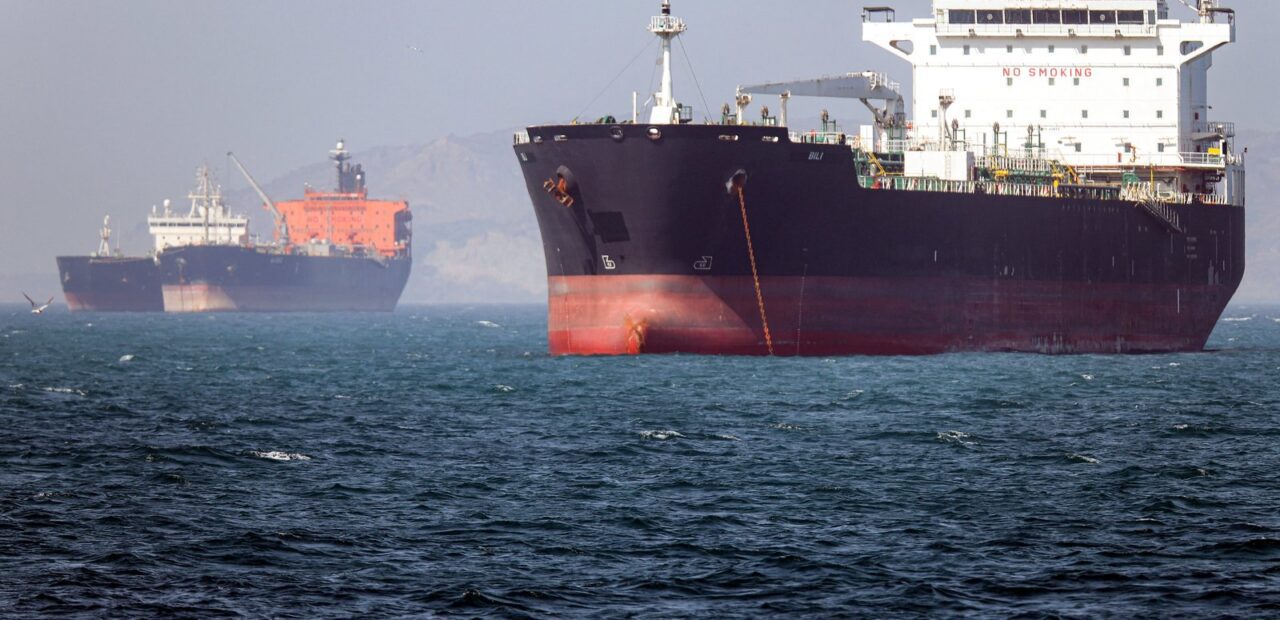
U.S. President Donald Trump rejected Iran’s counterproposal to end the 10-week war in the Middle East, calling it “totally unacceptable,” while Iranian leaders vowed to “never bow,” prolonging a standoff that has choked the Strait of Hormuz and disrupted global energy markets. Iranian state media framed Tehran’s response as a rejection of the U.S. proposal, which it characterized as a demand for “surrender.” Iran’s counterproposal included demands for war reparations, full sovereignty over the Strait of Hormuz, an end to sanctions, and the release of frozen Iranian assets. Israeli Prime Minister Benjamin Netanyahu said the war was not over because there was “more work to be done,” noting Iran had not surrendered enriched uranium or dismantled enrichment sites. A Qatari liquefied natural gas tanker crossed the strait for the first time since the war began, approved by Iran to build confidence with Qatar and Pakistan, but broader market concerns remained. Oil prices rose, with U.S. West Texas Intermediate futures advancing 4.96% to $100.3 per barrel and Brent crude rising 4.92% to $105.76 per barrel. Iran continued drone attacks on Gulf neighbors over the weekend, with the UAE, Qatar, and Kuwait reporting incidents.
What’s reported
Trump rejected Iran’s counterproposal, calling it “totally unacceptable” in a Truth Social post.
Iran’s counterproposal demanded war reparations, full sovereignty over the Strait of Hormuz, an end to sanctions, and release of frozen Iranian assets.
Iranian President Masoud Pezeshkian said on X: “We will never bow our heads before the enemy.”
Netanyahu said the war was not over because Iran had not surrendered enriched uranium or dismantled enrichment sites.
The Wall Street Journal reported Iran proposed separate negotiations, offering to dilute some highly enriched uranium and transfer the rest to a third country with a return provision.
Iran has agreed to suspend enriching uranium but for a shorter period than the 20-year moratorium proposed by the U.S.
A Qatari LNG tanker crossed the Strait of Hormuz for the first time since the war began, approved by Iran.
Oil prices rose: WTI up 4.96% to $100.3/barrel, Brent up 4.92% to $105.76/barrel.
Iran conducted drone attacks on Gulf neighbors; UAE intercepted two drones, Qatar condemned a drone attack on a cargo ship, Kuwait reported hostile drones.
Iranian Army spokesperson Brig. Gen. Mohammad Akraminia warned of “surprising options” if adversaries made another “miscalculation.”
Iran’s new supreme leader, Mojtaba Khamenei, issued “new and decisive directives” for military operations, without elaboration.
Trump’s upcoming summit with Chinese President Xi Jinping in Beijing is expected to focus on the Iran war.
China hosted Iranian Foreign Minister Abbas Araghchi, with top diplomat Wang Yi reaffirming the “strategic partnership” and urging diplomatic resolution.
Open questions
The specific terms of Iran’s proposed shorter suspension of uranium enrichment.
The details of Iran’s “surprising options” and “new and decisive directives.”
Whether China will act as a pressure mechanism on Iran regarding the Strait of Hormuz.
Key figures
U.S. President Donald Trump
Iranian President Masoud Pezeshkian
Israeli Prime Minister Benjamin Netanyahu
Iranian Army spokesperson Brig. Gen. Mohammad Akraminia
Iran’s supreme leader Mojtaba Khamenei
Chinese President Xi Jinping
Iranian Foreign Minister Abbas Araghchi
Chinese top diplomat Wang Yi
Christopher Wong, currency strategist at OCBC Bank
Ben Emons, managing director at Fed Watch Advisors
Sources: CNBC