



Trump Proposes Gas Tax Holiday as Highway Fund Faces $17 Billion Shortfall

The Story
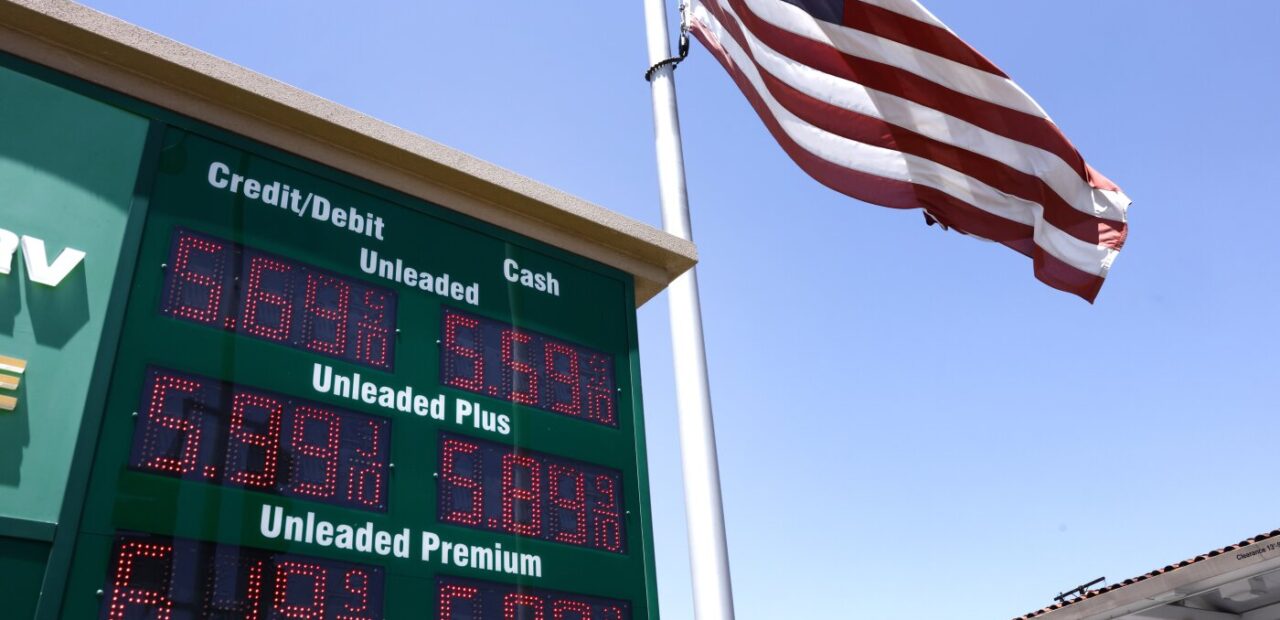
President Trump has called for a temporary waiver of the federal gas tax, which currently costs drivers 18.4 cents per gallon. This proposal is one of several attempts to address gasoline prices that have reached four-year highs due to oil trade disruptions caused by the war with Iran. A national gas tax holiday would require an act of Congress, and several bills have already been introduced. However, the proposal remains controversial, with advocates citing quick relief and critics pointing to lost revenue for road maintenance. The Penn Wharton Budget Model estimates that only about 13.2 cents per gallon of savings would actually reach consumers, while the Tax Foundation puts the figure at around 16 cents. The article notes that the federal gas tax has not been raised since 1993, leading to a projected $17 billion shortfall for the Highway Trust Fund in 2026. Additionally, the rise of electric vehicles and increased fuel efficiency have further undermined the tax’s revenue, prompting debates over alternative funding mechanisms like road-user fees or weight-based fees.
Key Facts
- President Trump has called for a temporary waiver of the federal gas tax, which is 18.4 cents per gallon.
- Gasoline prices have hit four-year highs due to the oil trade disruption triggered by the war with Iran.
- A national gas tax holiday requires an act of Congress; several bills have been introduced.
- The Penn Wharton Budget Model estimates that about 13.2 cents per gallon in savings would reach consumers; the Tax Foundation estimates about 16 cents.
- State gas taxes average 33.3 cents per gallon, ranging from 9 cents in Alaska to 70.9 cents in California.
- A handful of states have already cut or paused their gas taxes, including Kentucky (10 cents off in May) and Georgia (full freeze extended).
- The Penn Wharton Budget Model estimated that Georgia’s two-month gas tax pause cost the state about $361 million.
- A LendingTree report found that 8.9% of the nation’s road miles are in poor condition, with Rhode Island worst at 31.5%.
- The federal gas tax has not been raised since 1993; the projected shortfall for the Highway Trust Fund in 2026 is $17 billion.
- The article states that electric vehicles make up a growing share of vehicles, further reducing gas tax revenue.
Conflicting Reports
No conflicting reports identified in the source article.
Still Unclear
Whether Congress will pass a federal gas tax holiday remains unclear. The long-term replacement for the gas tax has not been determined, as proposed alternatives like road-user fees or weight-based fees have not yet been adopted federally.
Misconceptions
The article addresses the misconception that the federal gas tax adjusts automatically with inflation; it explains that the tax has been fixed at 18.4 cents per gallon since 1993.
Key Figures
- President Trump
- Kent Smetters, faculty director at the Penn Wharton Budget Model
- Adam Hoffer, director of excise tax policy at the Tax Foundation
- Patrick De Haan, analyst with GasBuddy
- Rob Bhatt, insurance analyst at LendingTree
- Patrick Marshall, music teacher in New Orleans
- Carleen Quattrucci, Rhode Island resident
Sources: NPR