

Transmissible cancer found spreading among catfish in Vermont lake

10 reported3 unconfirmed
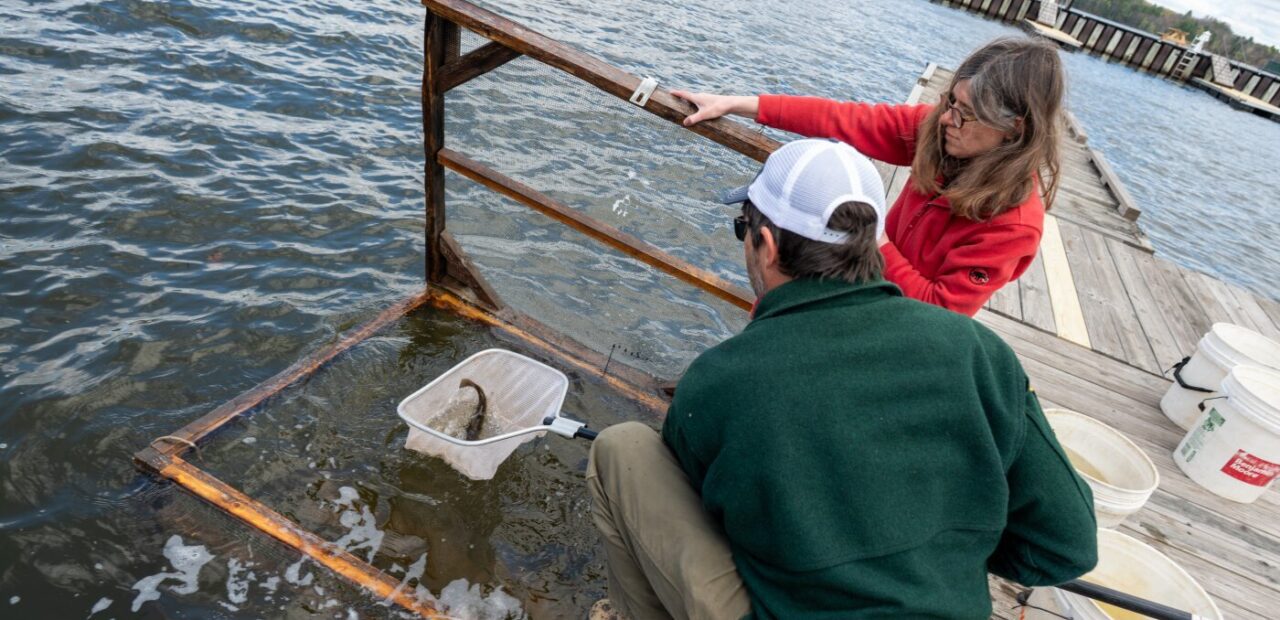
A study published in Nature reports that a transmissible skin cancer is spreading among brown bullhead catfish in Lake Memphremagog, which straddles northern Vermont and Quebec. The Vermont Fish & Wildlife Department first noticed the black blotches on the fish during a 2013 census, though anglers had observed them the year prior. Researchers initially suspected UV exposure or toxins from a nearby landfill, but found no evidence of either. Genome sequencing revealed the tumors were genetically similar to each other but different from their host fish, indicating they are clones that spread from catfish to catfish. The study’s authors suggest the cancer may transfer during spawning when fish aggregate and scratch each other with sharp spines. This type of transmissible cancer has been identified in only a few other animals, including Tasmanian devils and dogs. The researchers note that similar catfish melanomas may have been documented historically, including by Henry David Thoreau.
What’s reported
The cancer was first observed in Lake Memphremagog during a 2013 fish census by the Vermont Fish & Wildlife Department.
Over a quarter of the catfish had black blotches when first noticed; now about 30% on average have the melanoma on both the U.S. and Canadian sides of the lake.
The tumors are melanomas, a type of skin cancer.
Researchers ruled out UV exposure and toxins as causes.
Genome sequencing showed the tumors are genetically similar to each other but different from their host fish, suggesting they are clones that spread between fish.
The study was published on Wednesday in Nature.
Transmissible cancer has been identified in only a handful of animals: Tasmanian devils, dogs, certain molluscs, and now fish.
Researchers suspect the cancer spreads during spawning when fish aggregate and scratch each other with sharp spines behind their pectoral fins.
The melanoma is not observed in young fish.
Henry David Thoreau may have documented a similar condition in a catfish in a tributary of the Concord River in Massachusetts.
Open questions
How exactly the cancer cells transfer from one catfish to another.
Whether an environmental or viral factor is depressing the catfish immune systems.
Whether transmissible cancers are more common than previously thought.
Key figures
Peter Emerson, fish biologist with the Vermont Fish & Wildlife Department.
Julie Dragon, data scientist at the University of Vermont and co-author on the study.
Vincent Lynch, evolutionary biologist at the University at Buffalo, not involved in the research.
Sources: NPR