



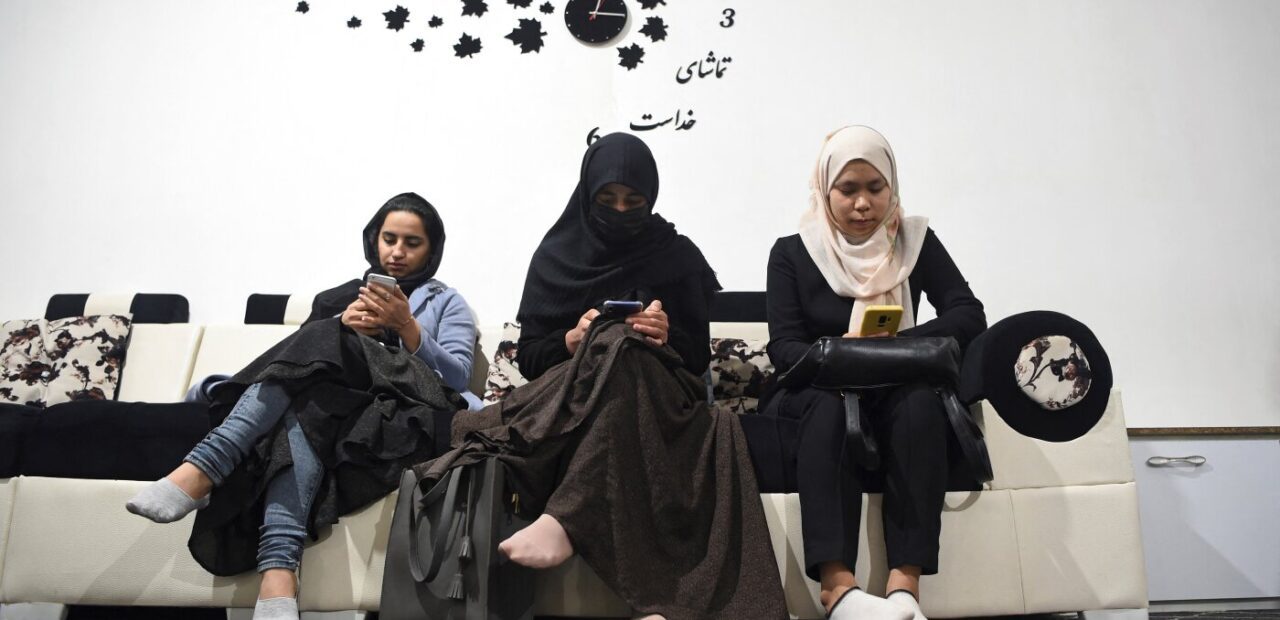
Taliban smartphone ban disrupts healthcare and education in Afghanistan

17 reported3 unconfirmed
According to a single-source report from NPR, the Taliban has begun enforcing a ban on smartphones for government employees, judges, police, and military members under a directive that took effect June 16. The order threatens violators with confiscation, destruction of their devices, and unspecified punishment. While the ban does not yet apply to private ownership by ordinary civilians, restrictions have already spread to hospitals, schools, and universities in some provinces, raising fears of broader limits. The restrictions began as a verbal order from Taliban supreme leader Hibatullah Akhundzada and were later formalized in a military court directive. In healthcare, midwives like Farzana in Ghazni province report they can no longer use smartphones to receive photos of newborns with medical issues, relying instead on more costly regular phone lines. In education, universities including Kabul University and Herat University have imposed complete smartphone bans for professors, staff, and students, with Wi-Fi suspended in dormitories. The Taliban administration did not respond to a request for comment.
What’s reported
The ban took effect June 16 for government employees, judges, police, and military members.
Violators face confiscation, destruction of devices, and unspecified punishment.
Feature phones (calling and texting only, no touch screen or camera) are permitted.
The ban does not yet apply to private ownership by ordinary civilians.
Restrictions have spread to hospitals, schools, and universities in some provinces.
The directive was based on a verbal order from Taliban supreme leader Hibatullah Akhundzada.
Monitoring lists have been created recording employees' names, positions, workplaces, mobile carriers, and phone numbers.
A government employee in Herat said officials confiscated and smashed phones when he and colleagues resisted.
The timing followed protests in Herat in early June after Taliban forces arrested women and girls accused of "improper hijab"; witnesses said forces opened fire, killing at least one person.
Kabul University's leadership council ordered a complete smartphone ban effective June 21; members were not permitted to ask questions.
Herat University posted notices banning smartphones and suspended Wi-Fi in dormitories.
In Baghlan province, students carrying smartphones have been turned away at the university gate.
The Taliban's higher education minister has called smartphones "one of the three main enemies of Muslims."
A student at Kabul University said the ban made it harder to contact family during emergencies.
Midwife Farzana in Ghazni province said she stopped using her smartphone out of fear.
Faraidon Farzad, a Ph.D. student in artificial intelligence, developed a system analyzing smartphone photos of wounds for infection, winning an award at Moscow's Archimedes innovation exhibition.
Esmat Khan Amiri from Daykundi province used his phone to post a video about his father's delayed surgery, which he said led to the hospital operating.
Open questions
What specific punishments violators face under "legal and sharia punishment."
Whether the ban will be extended to all private citizens.
How the Taliban will enforce the ban across all provinces.
Key figures
Farzana, midwife in Moqor district, Ghazni province
Hibatullah Akhundzada, Taliban supreme leader
Baryalai, madrassa student in Kandahar province
Omar Istanikzai, teacher in Kandahar province
Faraidon Farzad, Ph.D. student in artificial intelligence
Esmat Khan Amiri, from Daykundi province
Sources: NPR