


Synthetic Cells Built From Scratch Grow and Divide in Lab

7 verified5 unconfirmed
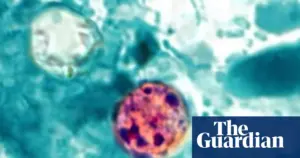
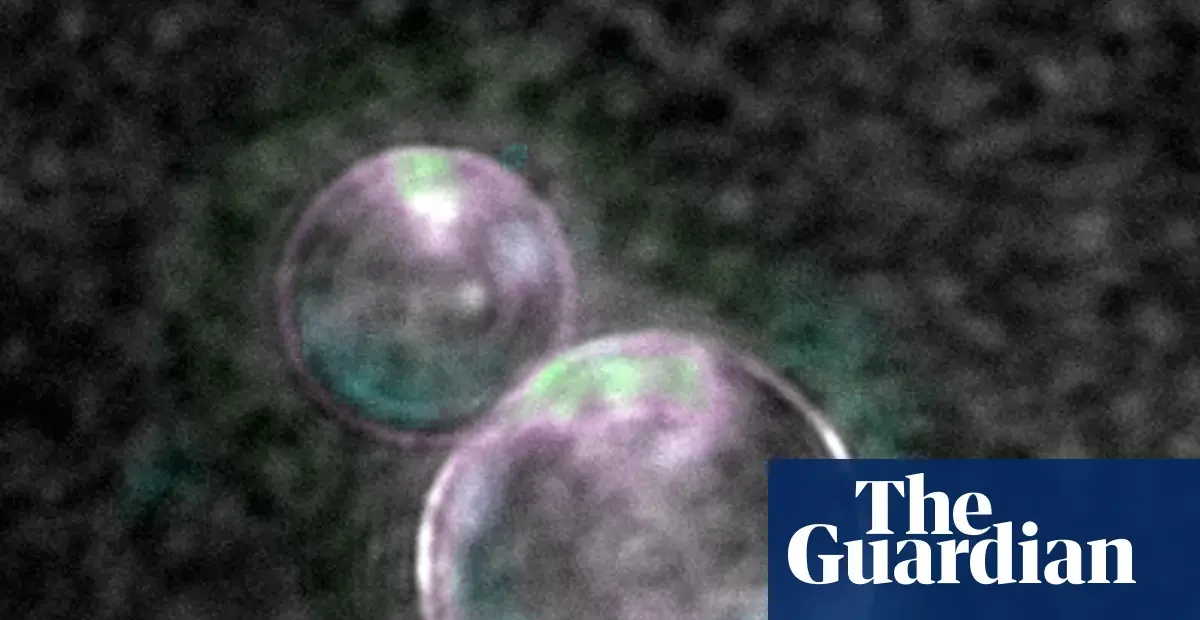
Researchers have created synthetic cells called SpudCells that grow, replicate their DNA, and divide. The cells were assembled from chemical compounds and lab-made components, not modified from existing organisms. They are not considered alive by any scientific definition and depend on constant deliveries of nutrients and protein-making machinery from their surrounding liquid. The work was led by Dr. Kate Adamala at the University of Minnesota. SpudCells appear as tiny blobs under a microscope and were named to evoke the Sputnik satellite as well as a reference to potatoes. The findings have been released as a preprint, before peer review, to allow other scientists to examine the results promptly. The achievement is described as a significant step toward the long-sought goal of creating artificial life from nonliving materials.
What’s verified
The synthetic cells are called SpudCells (or Spudcell).
They were built from scratch using chemical compounds and lab-made biological components.
SpudCells demonstrate growth, DNA replication, and cell division — a complete cell cycle.
The cells are not alive and cannot survive without a constant supply of nutrients, enzymes, and ribosomes from feeder liposomes.
The name SpudCells is inspired by the Sputnik satellite.
Dr. Kate Adamala of the University of Minnesota led the research.
The study has been posted as a preprint and has not yet undergone peer review.
Not yet confirmed
Only one source reports that SpudCells can show an early evolutionary step where cells with a growth advantage become more populous, but that true natural selection has not been demonstrated.
Only one source mentions the launch of a new institution called Biotic to advance the work.
Only one source includes skepticism from a philosopher questioning whether such cells will reveal much about life or be more useful than modified bacteria.
NPR’s summary states the cells can “adapt and learn survival skills,” a claim not detailed in the other two sources.
Quanta magazine reports that the genome was built using a DNA replication system from other labs and a commercial pack of 36 enzymes.
Key figures
Dr. Kate Adamala, synthetic biologist at the University of Minnesota
Sources: The Guardian, NPR, quantamagazine.org