



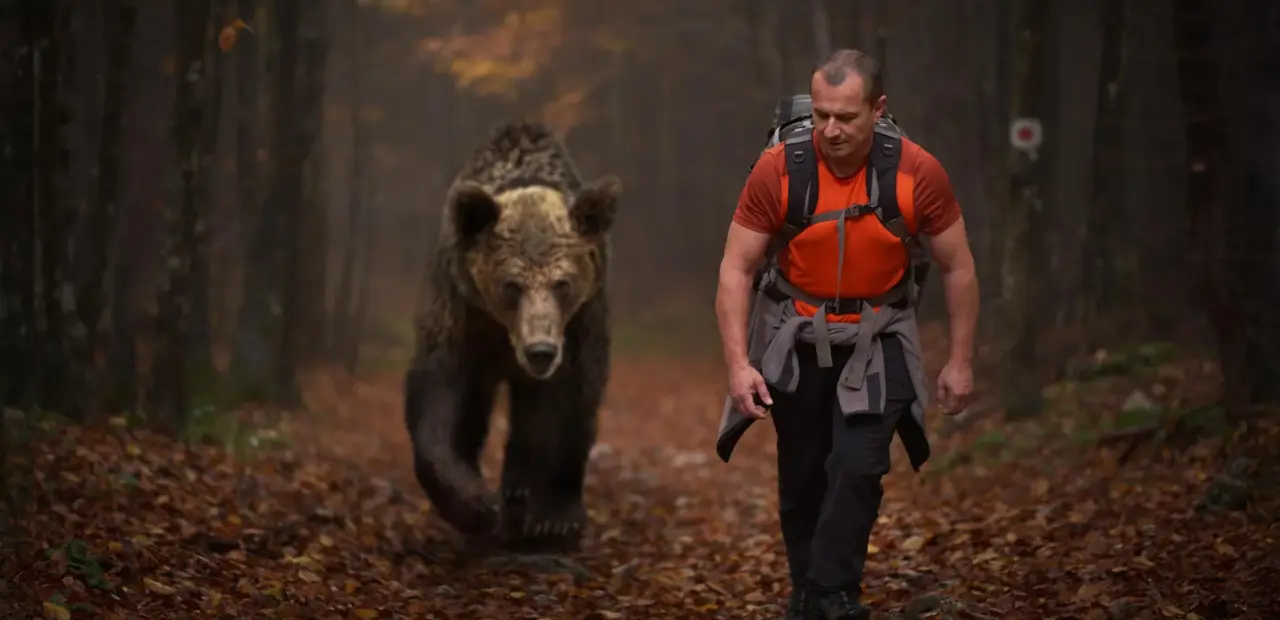
Study: Wildlife fear varies based on human threat level

7 reported2 unconfirmed
A new meta-analysis from the Indian Institute of Science (IISc) finds that wild animals do not fear all humans equally, challenging the idea that people are always perceived as the planet's ultimate super-predator. The study, published in Ecology Letters, analyzed three decades of research on how animals alter their behavior around people. Researchers found that animals become more vigilant and spend less time feeding when humans pose a direct lethal threat, such as hunters or fishers. In contrast, reactions to non-lethal humans, including tourists and researchers, are weaker and more variable. The analysis also revealed that human infrastructure like roads and settlements can sometimes make animals less watchful, as predators often avoid those areas. Lead author Shawn D'Souza stated that the findings generally support the "risk allocation hypothesis," where animals adjust their behavior based on the severity and predictability of a threat. Co-author Kartik Shanker noted that the behavioral effects of lethal human activity could have implications for managing human-wildlife conflict.
What’s reported
The meta-analysis was led by the Centre for Ecological Sciences at the Indian Institute of Science (IISc) and published in Ecology Letters.
The study examined three decades of research on how wild animals change feeding, vigilance, and movement around humans.
Animals in areas with lethal humans (hunters, fishers) tend to be more vigilant and spend less time foraging.
Responses to non-lethal humans (tourists, researchers) are weaker and more variable.
Human infrastructure such as roads and settlements sometimes caused animals to become less watchful, functioning as perceived refuges.
The findings support the "risk allocation hypothesis," which proposes animals change behavior based on threat severity and predictability.
Co-author Kartik Shanker suggested limited culling may sometimes discourage wild animals from entering human-dominated areas more effectively than other approaches.
Open questions
How different species will respond in different environments.
Whether animals are simply becoming accustomed to human activity or experiencing deeper evolutionary changes.
Key figures
Shawn D'Souza, PhD student at the Centre for Ecological Sciences (CES) and lead author
Maria Thaker, Professor at CES and co-author
Kartik Shanker, Professor at CES and co-author
Sources: ScienceDaily