

Study Finds Women Helped Spread Farming in Prehistoric Europe

The Story
New DNA evidence indicates that in Neolithic Belgium, women from farming communities married into hunter-gatherer groups, likely spreading agricultural knowledge. The research also shows that later Bell Beaker migrants from the steppe largely replaced earlier populations in northwest Europe, including Britain.
Key Facts
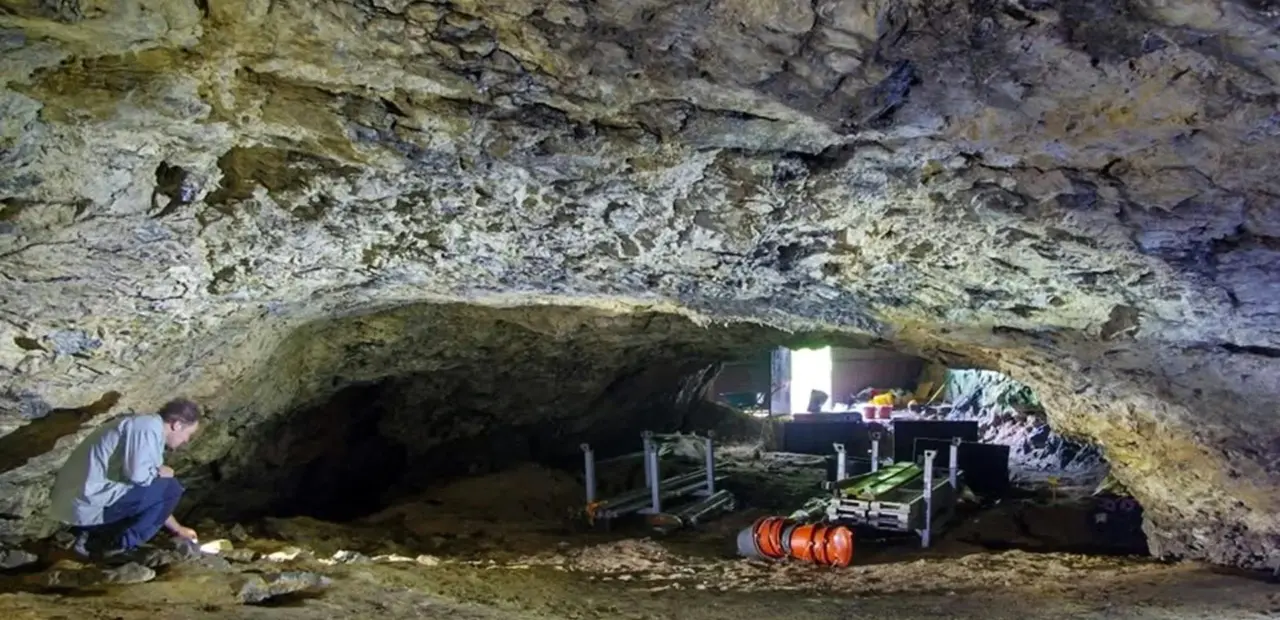
- The study analyzed genomes from Neolithic human remains excavated along the River Meuse in Belgium, dating to around 5,000 years ago.
- Late Neolithic individuals in Belgium carried at least 50% local hunter-gatherer ancestry alongside Anatolian farmer ancestry.
- Y chromosomes in the Belgian remains were all characteristic of hunter-gatherers, but three-quarters of mitochondrial DNA lineages came from Neolithic farmers further south, suggesting women imported farming know-how.
- The findings support a “frontier mobility” model where marriage of Neolithic women into forager communities helped hunter-gatherers adopt farming.
- Around 4,600 years ago, Corded Ware people from the Russian steppe began moving into the Rhine area, evolving into the Bell Beaker culture.
- By 4,400 years ago, less than 20% of ancestry in the Rhine-Meuse region traced back to earlier farmers and hunter-gatherers, with at least 80% from the steppe.
- Bell Beaker expansion likely led to a 90% replacement of Britain’s Neolithic farmers, though reasons remain unclear.
- The research was published in Nature (DOI: 10.1038/s41586-026-10111-8) and involved the University of Huddersfield, Harvard University, and other institutions.
Conflicting Reports
No conflicting reports identified in the source article.
Still Unclear
The exact reasons for the disappearance of Britain’s Neolithic farmers after Bell Beaker expansion are unclear, as is how the Corded Ware culture transformed into the Bell Beaker culture.
Misconceptions
No widespread misconceptions addressed in the source article.
Key Figures
Martin B. Richards, Maria Pala, Professor John Stewart, Professor David Reich, Dr Iñigo Olalde, Alessandro Fichera, Marek Zvelebil, Peter Rowley-Conwy.
Sources: ScienceDaily