



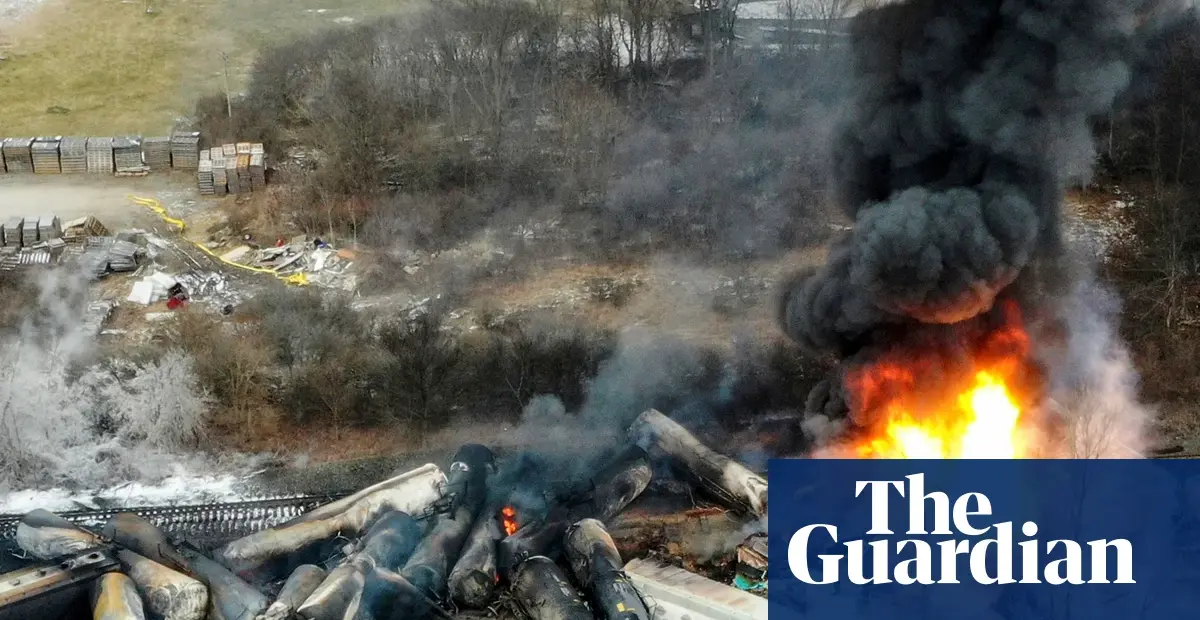
Study finds immune changes in Ohio train spill residents

7 reported2 unconfirmed
A new peer-reviewed pilot study of East Palestine, Ohio residents exposed to the 2023 Norfolk Southern train derailment and chemical release has found signs of chronic inflammation and altered cell counts in blood samples taken six months after the accident. The research, led by the University of Kentucky, compared residents near the site with a control group and found higher red blood cell counts, higher hemoglobin levels, inflammation, and increased cells that attack chemicals, as well as higher levels of tissue-repair proteins and lower infection-fighting cells. Study co-author Erin Haynes said the findings suggest residents’ bodies were still fighting and repairing from a toxic exposure. The study did not look for particular diseases and stressed that the findings do not prove the derailment caused the observed changes or that any individual has an illness. Some residents, including city council member Jessica Boersma, who lives less than a quarter mile from the site, reported health issues such as headaches, rashes, respiratory problems, and hormonal disruptions. However, not all participants showed immune impacts; Ron and Peggy Caratelli, who evacuated for about a month, had no markers of immune system effects. The researchers plan to check a larger group of residents and first responders next.
What’s reported
The study is the first long-term research on East Palestine residents exposed to the 2023 train derailment and chemical release.
Blood samples were taken six months after the accident and showed signs of chronic inflammation and altered cell counts.
Compared to a control group, East Palestine residents had higher red blood cells, higher hemoglobin, inflammation, more cells that attack chemicals, higher tissue-repair proteins, and lower infection-fighting cells.
The study did not look for particular diseases and does not prove the derailment caused the observed changes or that any individual has an illness.
Some residents reported headaches, rashes, respiratory problems, and hormonal disruptions.
Not all participants showed immune impacts; Ron and Peggy Caratelli, who evacuated for a month, had no markers of immune system effects.
The researchers will next check a larger group of residents and first responders.
Open questions
Whether the observed immune changes will lead to future health problems.
Whether the health issues reported by some residents are directly caused by the derailment.
Key figures
Jessica Boersma: East Palestine city council member and chiropractor who lives less than a quarter mile from the derailment site.
Erin Haynes: University of Kentucky study co-author.
Ron and Peggy Caratelli: East Palestine residents who live about eight-tenths of a mile from the wreck site and evacuated for a month.
Sources: The Guardian