


Starmer announces £15bn extra defence spending, funded by capital project cuts

9 reported2 unconfirmed
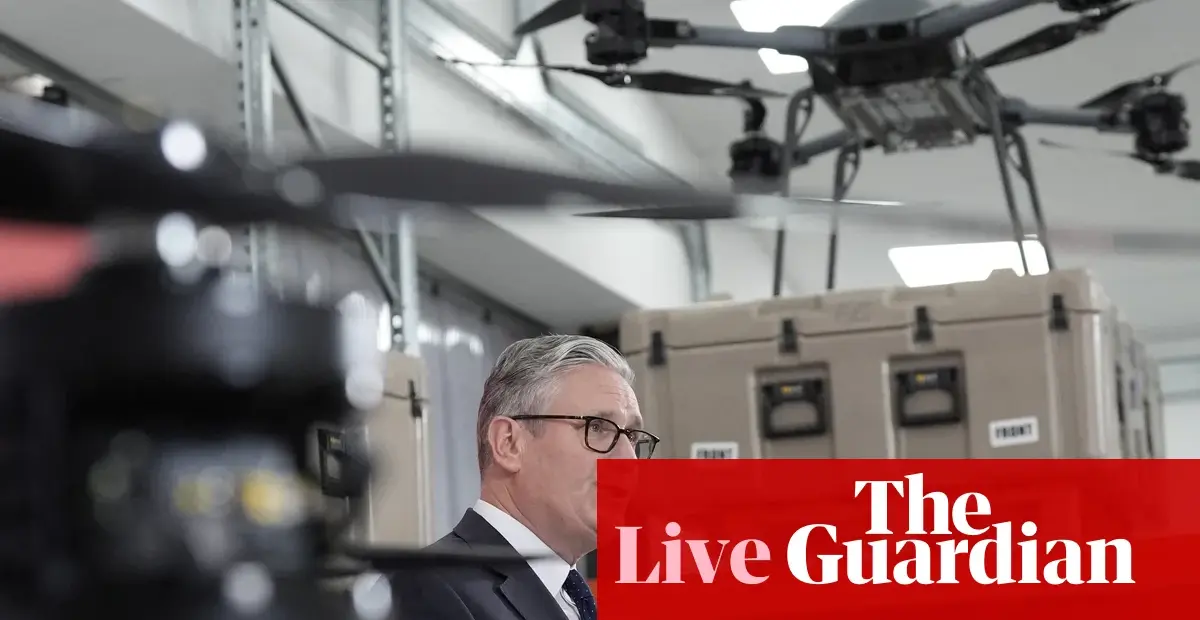
Prime Minister Keir Starmer announced an additional £15bn in defence spending under a new Defence Investment Plan, bringing total planned defence spending to nearly £300bn over four years. The funding will come from revising or cancelling some capital projects on roads and energy that are described as important but not immediately vital. The Ministry of Defence said the plan will increase defence funding from £54bn a year under the previous government to almost £80bn a year by 2029, raising UK defence spending to 2.7% of GDP. The announcement drew reactions from Liberal Democrat leader Ed Davey, who reiterated his call for defence bonds, and from NATO Secretary General Mark Rutte, who welcomed the plan as a good step toward the 3.5% GDP target. Defence specialist Mark Urban noted the £15bn increase adds only £1.5bn over four years to the sum former defence secretary John Healey resigned over, suggesting the UK is not fulfilling last year’s NATO spending promise as quickly as the military wanted. The Ministry of Defence released details of specific investments, including over £8bn for the Global Combat Air Programme, over £63bn for nuclear deterrent work, and £5bn for drone transformation. The chief of the defence staff, Air Chief Marshal Sir Rich Knighton, issued a statement saying the plan sets out how defence will invest to deliver the strategic defence review, though LBC presenter Andrew Marr reported that Knighton was told to remove a line from his speech backing the plan because it is not properly funded.
What’s reported
Starmer announced an extra £15bn in defence spending under the Defence Investment Plan, bringing total planned spending to nearly £300bn over four years.
The funding comes from revising or cancelling some capital projects on roads and energy that are not immediately vital.
The Ministry of Defence said the plan will increase defence funding from £54bn a year to almost £80bn a year by 2029, raising UK defence spending to 2.7% of GDP.
Specific investments include over £8bn for the Global Combat Air Programme, over £63bn for nuclear deterrent work, £5bn for drone transformation, and £11bn on munitions and weapons.
Liberal Democrat leader Ed Davey rejected Starmer’s criticism of his defence bonds plan, saying it would raise £20bn.
NATO Secretary General Mark Rutte welcomed the plan as a good step toward the 3.5% GDP target agreed in The Hague last year.
Defence specialist Mark Urban said the £15bn adds just £1.5bn over four years to the sum John Healey resigned over, and that the UK is not ready to fulfil last year’s NATO spending promise at the speed the military wanted.
LBC presenter Andrew Marr reported that Dan Jarvis, the defence secretary, was told to remove a line from his speech saying the chief of the defence staff backed the plan because it is not properly funded.
Starmer declined to explicitly say whether Andy Burnham has approved the plan, but said any Labour prime minister would want to stand behind it.
Open questions
Whether the chief of the defence staff, Air Chief Marshal Sir Rich Knighton, fully backs the Defence Investment Plan, given reports that a line stating his support was removed from a speech.
Whether Andy Burnham has explicitly approved the plan.
Key figures
Keir Starmer, Prime Minister
Ed Davey, Liberal Democrat leader
Mark Rutte, NATO Secretary General
Mark Urban, defence specialist and Sunday Times columnist
Air Chief Marshal Sir Rich Knighton, chief of the defence staff
Dan Jarvis, defence secretary
John Healey, former defence secretary (mentioned as having resigned)
Andy Burnham, referenced as a future Labour leader
Rachel Reeves, Chancellor of the Exchequer
Sources: The Guardian