

Stanford study explains why clams replaced brachiopods after Great Dying

8 reported
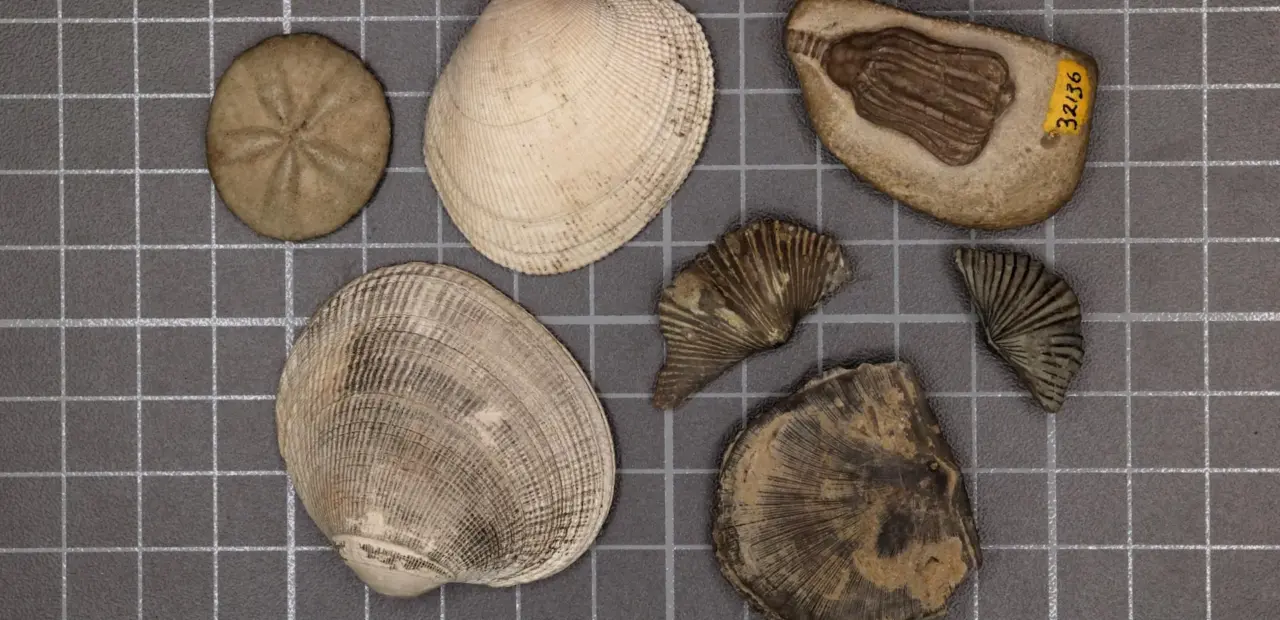
A new Stanford-led study published July 6 in the Proceedings of the National Academy of Sciences provides what researchers call the strongest evidence yet for why some marine animals survived Earth’s largest mass extinction while others did not. The Permian-Triassic extinction event roughly 252 million years ago, known as the “Great Dying,” wiped out about 96% of marine species and 70% of land animals. Before the extinction, ancient seafloors were dominated for about 280 million years by brachiopods, sea lilies, and other bottom-dwelling animals. After the catastrophe, those groups were nearly eliminated, while mollusks such as clams and snails, along with fish and echinoderms, survived and went on to dominate the oceans. The study combined biological data from both devastated and surviving groups and found that species whose metabolisms were less able to cope with warmer, oxygen-poor water suffered the highest extinction rates. Researchers warn that the environmental conditions before the Great Dying resembled the relatively cool, oxygen-rich oceans that existed before human activities began rapidly altering Earth’s climate through fossil fuel emissions.
What’s reported
The Permian-Triassic extinction event roughly 252 million years ago wiped out about 96% of marine species and 70% of land animals.
Before the extinction, brachiopods dominated seafloors for about 280 million years; after, they were nearly eliminated while mollusks and echinoderms survived.
The study, published July 6 in the Proceedings of the National Academy of Sciences, is the first to combine biological data from both devastated and surviving groups.
Species with metabolisms less able to cope with warmer, oxygen-poor water suffered the highest extinction rates.
Harsh ocean conditions developed after massive volcanic eruptions pumped carbon dioxide and methane into the atmosphere.
Researchers measured oxygen consumption of marine animals under different water temperatures at field stations and Stanford laboratories.
Today, only about 400 brachiopod species remain, while an estimated 10,000 to 15,000 species of bivalves exist.
The study expands on a 2018 Princeton and Stanford study that concluded warming oceans and oxygen loss were likely responsible for the Great Dying.
Key figures
Jose Andres Marquez, lead study author and former PhD student in the lab of Erik Anders Sperling at Stanford
Erik Anders Sperling, senior author and associate professor of Earth and planetary sciences at the Stanford Doerr School of Sustainability
Justin L. Penn, Richard G. Stockey, Thomas H. Boag, Murray I. Duncan, Kyra N. McClure, Kendall Matsumoto, Kemi F. Ashing-Giwa, Christopher P. Noll, Curtis Deutsch, Jonathan L. Payne (co-authors listed in journal reference)
Sources: ScienceDaily