


Solar radio burst lasts 19 days, setting new record

The Story
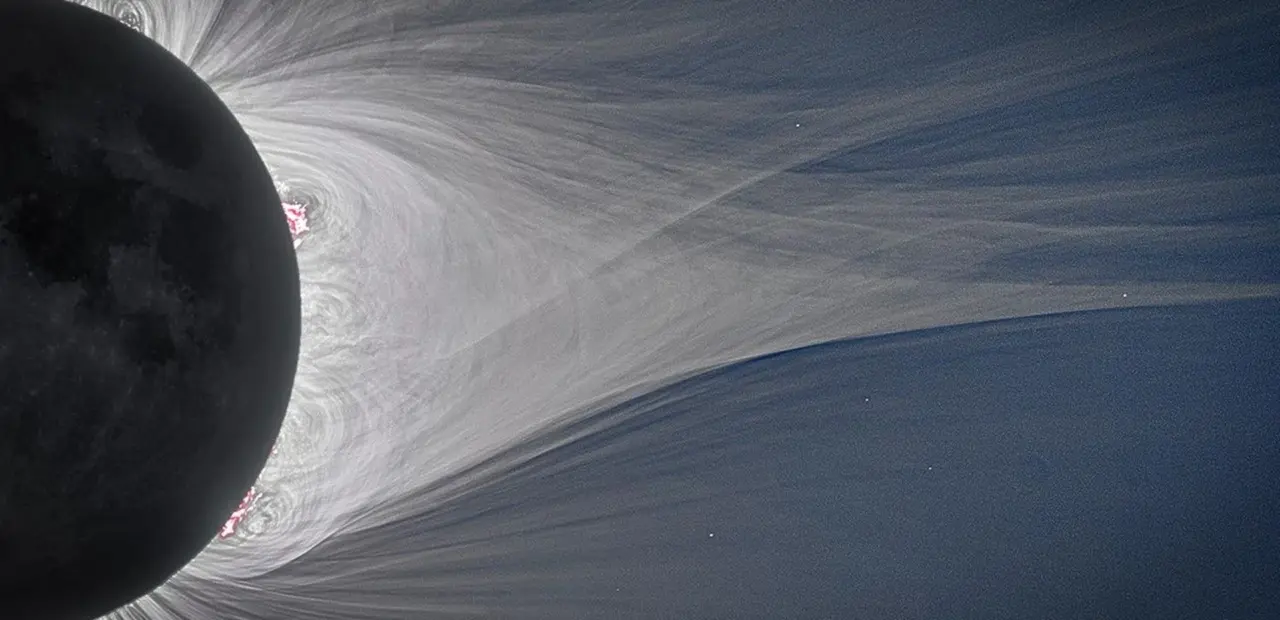
NASA scientists observed a solar radio burst that persisted for 19 days in August 2025, surpassing the previous known record of five days. The event, classified as a Type IV radio burst, was tracked using multiple spacecraft across the inner solar system. Researchers traced the signal to a magnetic structure called a helmet streamer on the Sun.
Key Facts
- The radio burst began in August 2025 and lasted 19 days, a new record for this type of solar activity.
- The previous longest known Type IV radio burst lasted five days.
- The burst was produced by energetic electrons trapped within the Sun’s magnetic fields.
- Observations came from NASA’s STEREO, Parker Solar Probe, Wind spacecraft, and the joint NASA/ESA Solar Orbiter mission.
- Scientists used data from STEREO to develop a new technique identifying the source as a helmet streamer.
- Three coronal mass ejections from the same solar region may have sustained the long burst.
- The findings were published in the journal Astrophysical Journal Letters.
- The research could improve space weather forecasting and help protect satellites and spacecraft.
Conflicting Reports
No conflicting reports identified in the source article.
Still Unclear
No open questions identified in the source article.
Misconceptions
No widespread misconceptions addressed in the source article.
Key Figures
No specific individuals named in the source article.
Sources: ScienceDaily