


Sea squirt toxins show potential for melanoma treatment, researchers report

8 reported
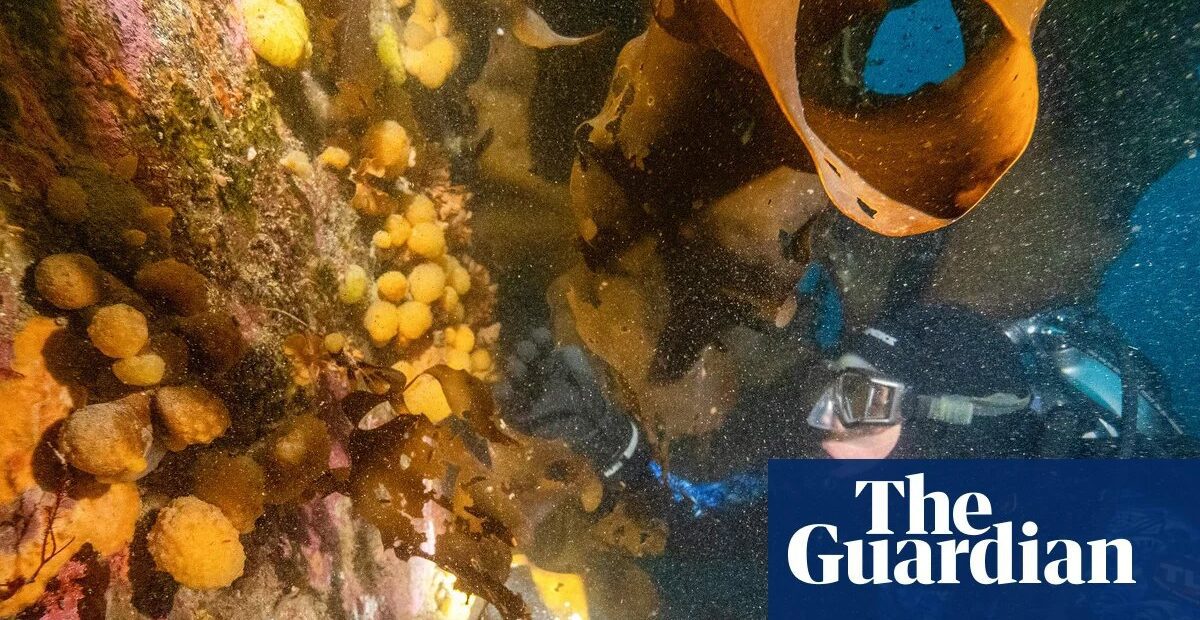
Researchers at the University of South Florida (USF) report that bacterial toxins produced by sea squirts collected in Antarctica could become an effective treatment for melanoma, the deadliest form of skin cancer. A team recently returned from a six-week expedition to one of the world’s remotest regions, where they collected samples of ascidians, invertebrates known as sea squirts that thrive in icy waters. USF chemistry professor Brian Baker said the toxins, which the organisms use as protection against predators, can be repurposed, and research has shown they killed melanoma cells in mice without killing the mice. Baker acknowledged the pathway to producing a safe and effective anti-melanoma drug for humans is long, requiring strictly regulated and expanding trials. Knowledge gained from the expedition, which involved divers descending to depths of up to 130 feet for about half an hour at a time, could significantly advance the timeline, he said. Work on developing the toxins toward a potential drug will now take place in laboratories, with some partnerships already under way with the Desert Research Institute and the Scripps Institution of Oceanography. Baker said the team must figure out how to synthetically reproduce the toxin, as collecting large quantities from Antarctica would destroy the ecology.
What’s reported
Researchers at the University of South Florida collected sea squirts (ascidians) during a six-week expedition to Antarctica.
Toxins produced by the sea squirts as protection against predators have killed melanoma cells in mice without killing the mice, according to USF chemistry professor Brian Baker.
The expedition was funded by the National Science Foundation.
Divers descended to depths of up to 130 feet for about half an hour at a time.
Ben Meister, a USF professor and diving safety officer, said challenges included ice, leopard seals, changing seas, and limited visibility.
Laboratory work will involve partnerships with the Desert Research Institute and the Scripps Institution of Oceanography.
Baker said the team needs to synthetically reproduce the toxin because collecting large quantities from Antarctica would destroy the ecology.
Baker stated that more than half of FDA-approved drugs originate from natural sources.
Key figures
Brian Baker, professor of chemistry at the University of South Florida
Ben Meister, professor and diving safety officer at the University of South Florida
Sources: The Guardian