



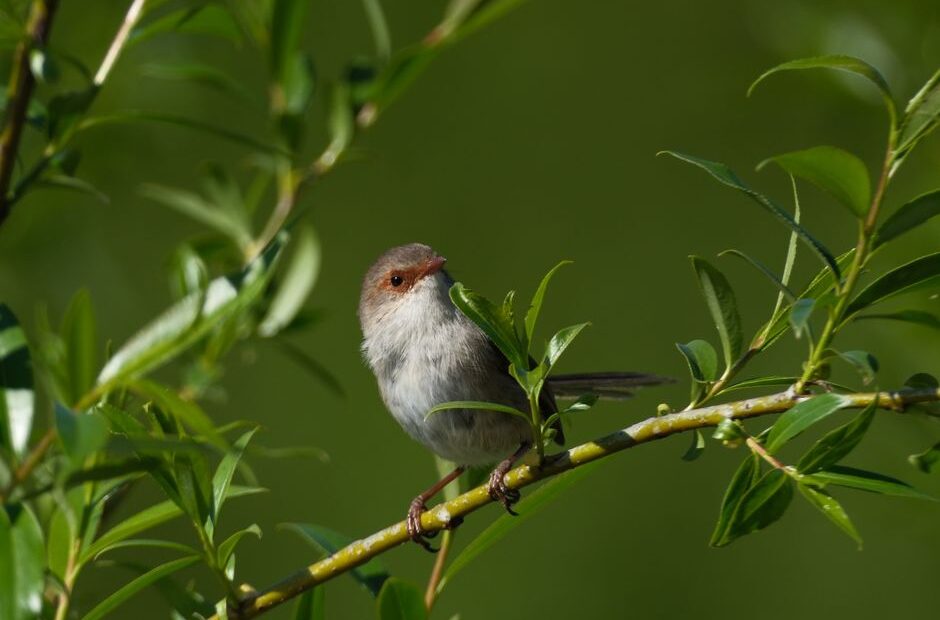
Scottish wrens may be evolving into new species through island gigantism

The Story
A University of Birmingham study found that isolated populations of Scottish wrens on remote islands are evolving independently, with some growing dramatically larger than mainland relatives. The research, published in the Evolutionary Journal of the Linnean Society, suggests these wrens are developing unique songs, appearances, and genetics that may eventually turn them into new species.
Key Facts
- The study examined four island subspecies: Shetland, Fair Isle, the Outer Hebrides, and St Kilda.
- Mainland British wrens typically weigh between 7 and 10 grams; St Kilda wrens weigh between 13 and 16 grams.
- The largest St Kilda wrens are more than twice the size of the smallest mainland wrens.
- This size difference places them among the top 25% of known island gigantism cases in birds worldwide.
- Researchers found little evidence that wrens from Shetland and St Kilda regularly interbreed with mainland populations.
- All four Scottish wren subspecies are genetically distinct from mainland wrens, with Shetland and St Kilda being especially distinct in appearance and song.
- Genome analysis points to parallel evolution: similar environmental pressures produced similar size increases independently on Shetland and St Kilda.
- Wrens from Fair Isle and the Outer Hebrides remained more genetically similar to mainland birds.
Conflicting Reports
No conflicting reports identified in the source article.
Still Unclear
Scientists still do not fully understand why island syndromes occur or how these traits help species adapt to island ecosystems.
Misconceptions
No widespread misconceptions addressed in the source article.
Key Figures
- Dr. Michał Jezierski, School of Geography, Earth and Environmental Sciences, University of Birmingham (lead author)
- Will Smith, University of Nottingham (co-author)
- University of Birmingham (study source)
Sources: ScienceDaily