


Scientists identify molecule that may restore brain immune cells in Alzheimer’s

7 reported
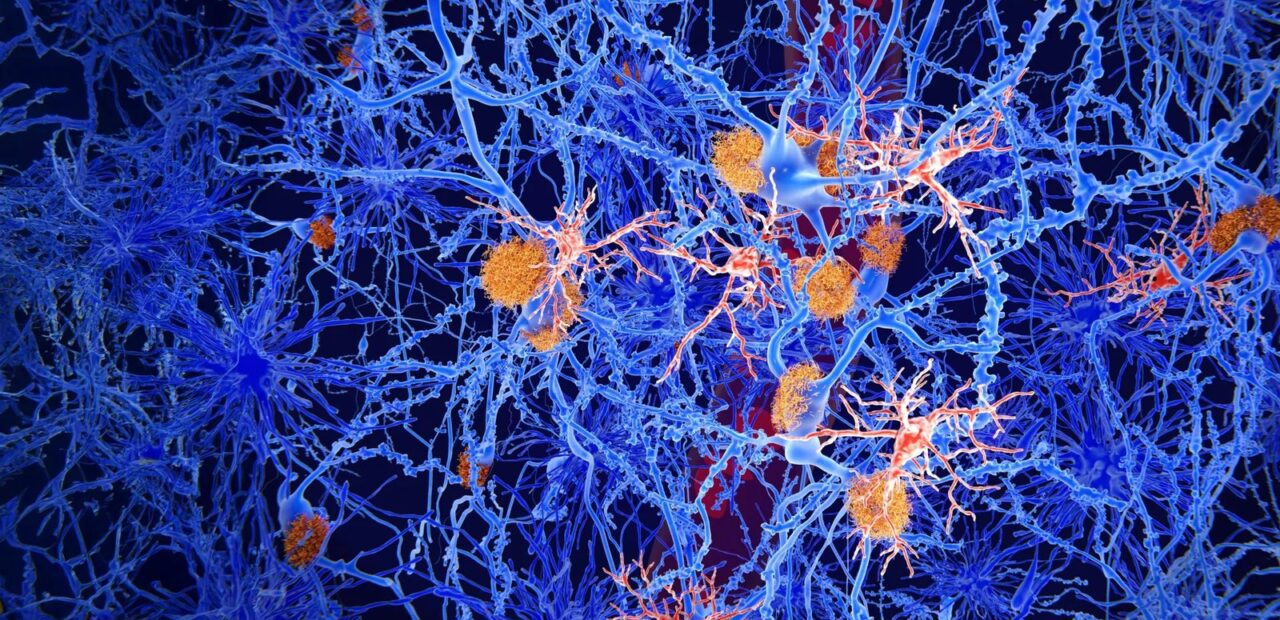
Researchers in Spain and Switzerland have identified an experimental molecule called OLE that may help restore the brain’s natural defenses against Alzheimer’s disease. The compound appears to reprogram microglia, the brain’s immune cells, allowing them to regain protective abilities. In animal studies, OLE reduced toxic plaque buildup and improved memory performance. The findings were published in the journal Cell Death and Disease and are covered by two European patents. The research was led by José Vicente Sánchez Mut of the Institute for Neurosciences and Johannes Gräff of the École Polytechnique Fédérale de Lausanne. The study used genetically modified worms and mouse models of Alzheimer’s disease to test the molecule. Single-cell analysis showed microglia were the cells most strongly affected by the treatment.
What’s reported
The molecule OLE is derived from the PM20D1 gene.
OLE helped microglia surround and contain beta-amyloid plaques, reducing their size and harmful effects.
In mouse models, mice received OLE for three months and showed better memory test performance and fewer beta-amyloid plaques.
In worm models, OLE reduced protein aggregate buildup and improved movement.
Additional experiments in cell cultures showed OLE improved microglia movement toward beta-amyloid and improved neuron survival.
The findings are covered by two European patents, one owned by the CSIC.
Funding came from multiple sources including the Dementia Research Switzerland – Synapsis Foundation, the Pasqual Maragall Foundation, the Spanish Ministry of Science, and others.
Key figures
José Vicente Sánchez Mut, researcher at the Institute for Neurosciences (IN), a joint center of CSIC and Miguel Hernández University of Elche (UMH)
Johannes Gräff, researcher at the École Polytechnique Fédérale de Lausanne (EPFL)
Victoria Pozzi, first author of the study
Sources: ScienceDaily