


Scientists identify 3-billion-year-old meteorite crater in Australia

6 reported
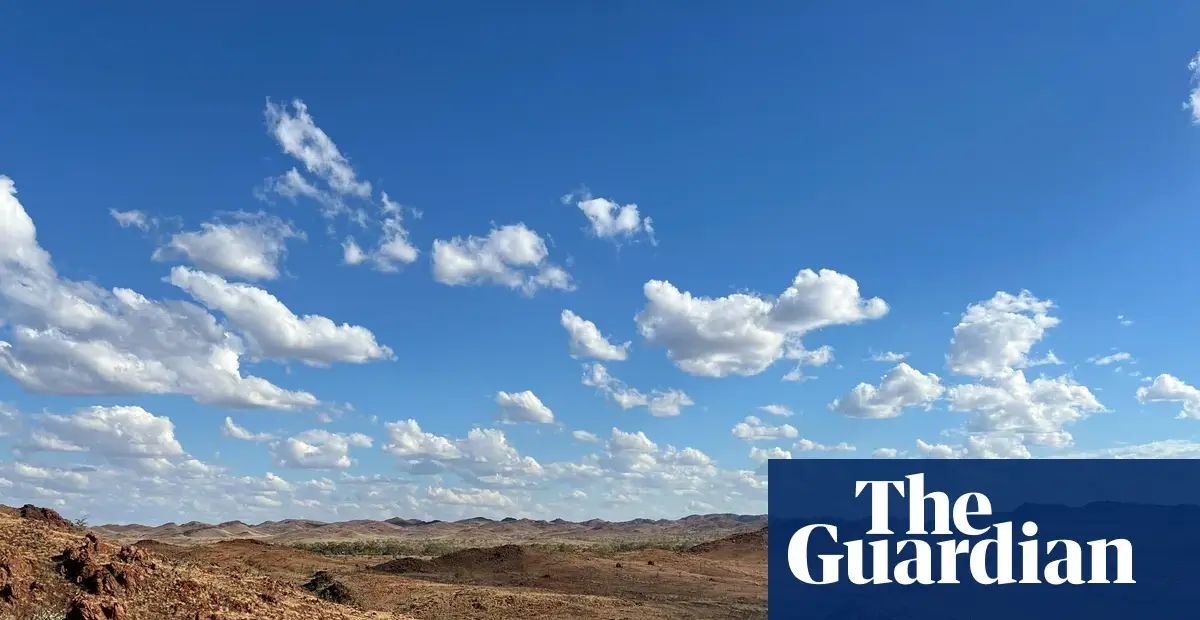
A meteorite that struck Earth approximately three billion years ago has left behind what researchers describe as the world’s oldest known impact crater, located in Western Australia’s Pilbara region. Scientists from Curtin University analyzed rare geological features called shatter cones in an area known as the North Pole Dome crater, publishing their findings in the journal Geology. The researchers used two separate dating methods, examining recrystallized zircon grains and apatite minerals that formed after the impact, to determine the strike occurred about three billion years ago during the Archean eon. The discovery makes the North Pole Dome crater older than Yarrabubba, another Western Australian crater previously considered the oldest at 2.2 billion years old. Lead author Prof Chris Kirkland said the well-preserved rock formations offer a rare glimpse of the violent processes that shaped early Earth. Associate professor Bruce Schaefer of Macquarie University, who was not involved in the paper, called the combination of techniques a “real detective story” and described the evidence as a “smoking gun.”
What’s reported
The meteorite struck Earth about three billion years ago in what is now Western Australia’s Pilbara region.
The impact site is called the North Pole Dome crater.
Researchers used two methods: dating recrystallized zircon grains and apatite minerals that formed after the impact.
The crater is older than Yarrabubba, another Western Australian crater previously considered the oldest at 2.2 billion years old.
The findings were published in the journal Geology.
The study was conducted by scientists from Curtin University.
Key figures
Prof Chris Kirkland, geologist from Curtin’s Timescales of Minerals Systems Group and lead author of the paper.
Associate professor Bruce Schaefer, geochemist at Macquarie University (not involved in the paper).
Sources: The Guardian