


Protein NFIL3 May Limit Effectiveness of CAR T Cancer Therapy

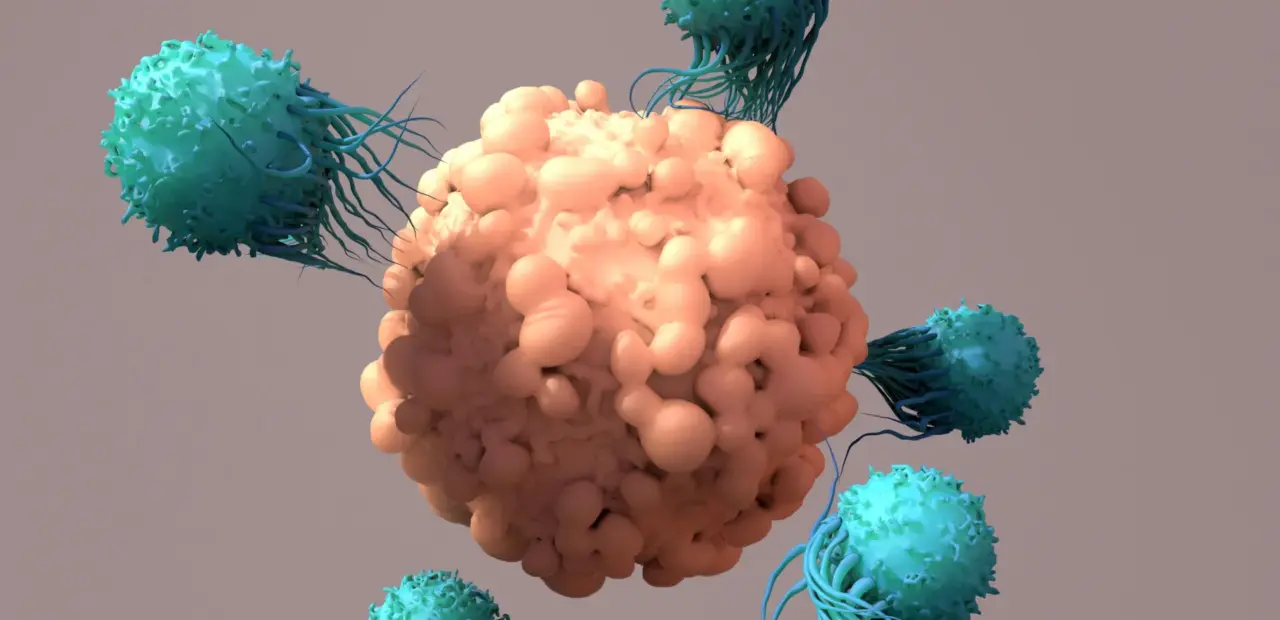
Researchers from Columbia University and University Hospital Tübingen have identified a protein called NFIL3 that appears to weaken CAR T cells over time. Disabling this protein with CRISPR gene editing allowed the engineered immune cells to remain active longer and attack tumors more effectively in animal models. The findings were published in Cancer Discovery and could help improve CAR T-cell therapy, particularly against solid tumors. CAR T-cell therapy involves genetically modifying a patient’s own immune cells to recognize and destroy cancer. While the therapy has shown success against some blood cancers, it has been less effective against solid tumors. The team analyzed roughly 400 transcription factors and pinpointed NFIL3 as a major contributor to CAR T-cell exhaustion. In mouse models, CAR T cells without NFIL3 controlled tumors better and extended survival. The researchers emphasized that additional research is needed before the strategy can be tested in humans.
What’s reported
Researchers from Columbia University and University Hospital Tübingen discovered protein NFIL3.
NFIL3 causes CAR T cells to become exhausted and lose effectiveness over time.
Disabling NFIL3 with CRISPR/Cas9 kept CAR T cells active longer and improved tumor control in mouse models.
The study was published in Cancer Discovery.
CAR T-cell therapy involves modifying a patient’s immune cells to target cancer.
The therapy has been successful for some blood cancers but not solid tumors.
Team led by Prof. Michel Sadelain and Prof. Judith Feucht.
Analysis of roughly 400 transcription factors identified NFIL3 as key factor.
Celina May is co-first author of the study.
Additional research is needed before human testing.
Open questions
It remains unclear when this strategy will be tested in human patients.
Key figures
Prof. Michel Sadelain, MD, PhD, Columbia University
Prof. Judith Feucht, MD, University Hospital Tübingen
Celina May, co-first author, member of Prof. Feucht’s research group
Bianca Hermle (writer, University Hospital Tübingen press release)
Sources: ScienceDaily