



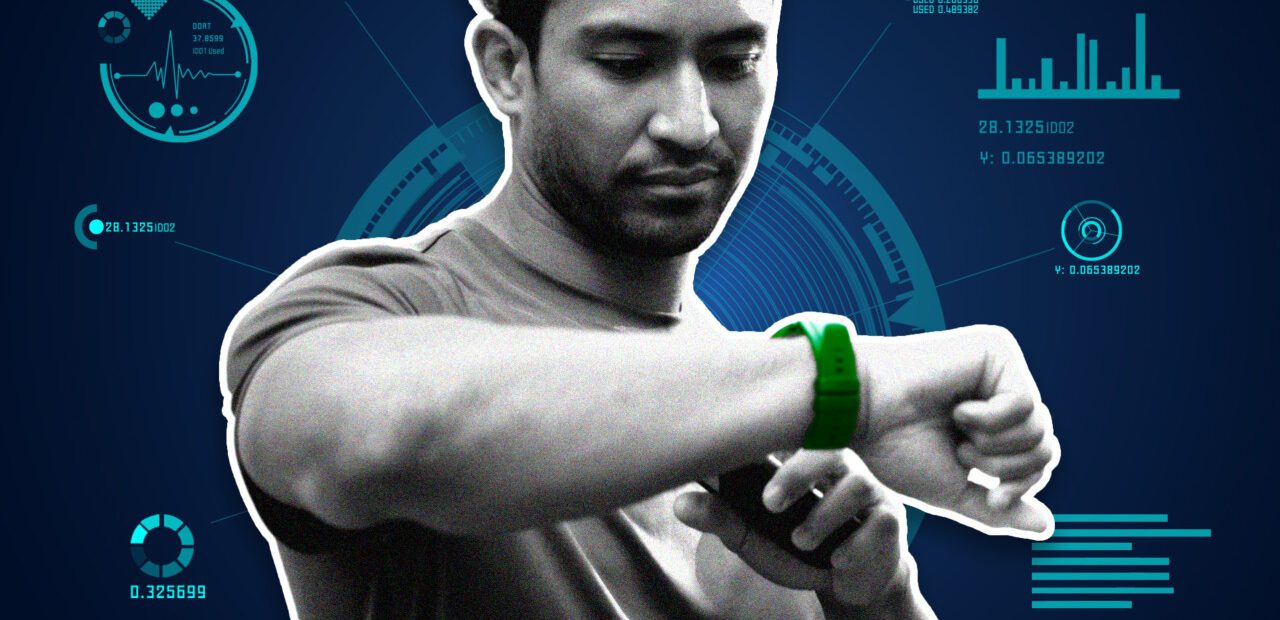
Oura and Fitbit wearables gain AI health tracking, but health impact unclear

The Story
According to a single-source report, Americans are increasingly using wearables such as Oura, Fitbit, Apple Watch, and Whoop to share biological data with AI platforms, order tests through the companies, and pay subscription fees. The article states that wearables now gather a wide range of biological data for personalized diet and exercise recommendations and blood work.
Key Facts
- The article reports that the latest Oura and Fitbit wearables are described as “smarter and sleeker than ever.”
- Americans are sharing data from watches, bands, and rings with AI platforms.
- Consumers are ordering tests through the companies that sell these products and paying hundreds of dollars a year in subscription fees.
- Wearable devices like Apple Watch, Whoop band, and Oura ring are soaring in popularity, moving beyond step counting and sleep scores.
- These devices now gather a “plethora” of biological data used for AI-driven recommendations and as a basis for blood work.
Conflicting Reports
No conflicting reports identified in the source article.
Still Unclear
The article does not provide evidence on whether these wearables actually keep users healthy or improve medical outcomes.
Misconceptions
No widespread misconceptions addressed in the source article.
Key Figures
No specific individuals named in the source article.
Sources: MarketWatch