



Oregon Water Law Benefits Wealthy Region, Hurts Downstream Farmers During Drought

7 reported
A ProPublica and Oregon Public Broadcasting analysis found that Oregon’s century-old water law allowed the Central Oregon Irrigation District (COID) to divert more than half the Deschutes River during a historic drought, while only one of every four gallons was absorbed by crops. The analysis, based on state-commissioned satellite data from 2015 to 2022, showed that most of the water percolated into the ground, evaporated, or drained off fields, with nearly all crop consumption going to grass and pasture. Downstream farmers in Jefferson County, including Chris Casad, saw their irrigation water cut and stopped cultivating a third of the county’s irrigated land, leading to reported suicides and farm closures. COID leaders said they did not trust the state data and noted the drought years were anomalous, but the analysis across wet and dry years showed a similar share of water consumed by crops. The district’s water rights date to the early 1900s, and state law requires “beneficial use” to maintain those rights, though definitions of waste are loose. The article notes that the Deschutes River’s average remaining flows over the last decade have been about half what the ecosystem needs, according to stream gauges and state conservation targets.
What’s reported
COID has rights to more than half the volume of the Deschutes River due to senior water rights from the early 1900s.
During drought, only 1 of every 4 gallons COID diverted was absorbed by crops; the rest leaked, evaporated, or ran off.
More than 9 out of every 10 acres in COID were growing grass (pasture, hay, landscaping).
Downstream farmers in Jefferson County stopped cultivating a third of the county’s irrigated land.
The article reports “a number of suicides” among farmers in Jefferson County.
COID leaders disputed the state data, calling the drought years anomalous, but the analysis showed similar consumption across wet and dry years.
The Deschutes River’s average remaining flows over the last decade were about half the ecosystem’s needs.
Key figures
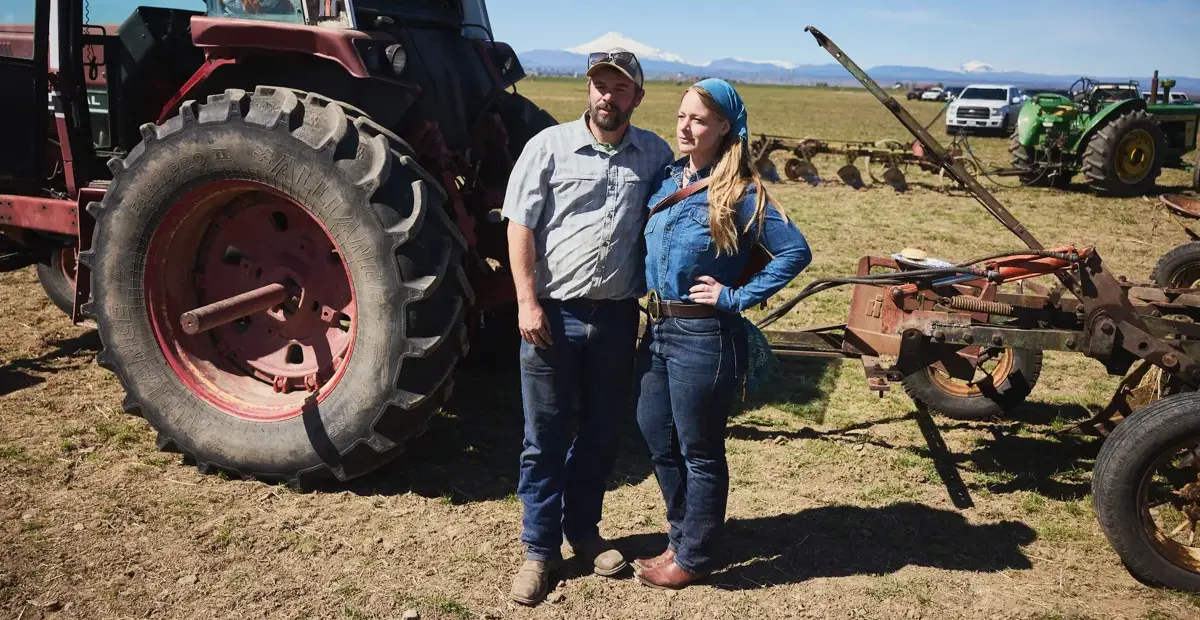
Chris Casad: farmer in Jefferson County who bought property nine years ago, grew potatoes, now fallows fields.
Cate Casad: Chris Casad’s wife, has two jobs.
Phil and Penelope Knight: owners of a horse ranch in COID, among the wealthiest families in the world.
Byron Garth: cinematographer who bought water rights through COID, transformed property into an estate.
Jen Bowen: realtor who gave a tour of Garth’s estate.
David Fisher: 72-year-old COID landowner who flood irrigates 60 acres for hay and pasture.
Brett Hodgson: former state biologist who said “the river always loses.”
Sources: propublica.org