



Nurse Convicted in Patient Death Shares Cautionary Tale on Speaking Circuit

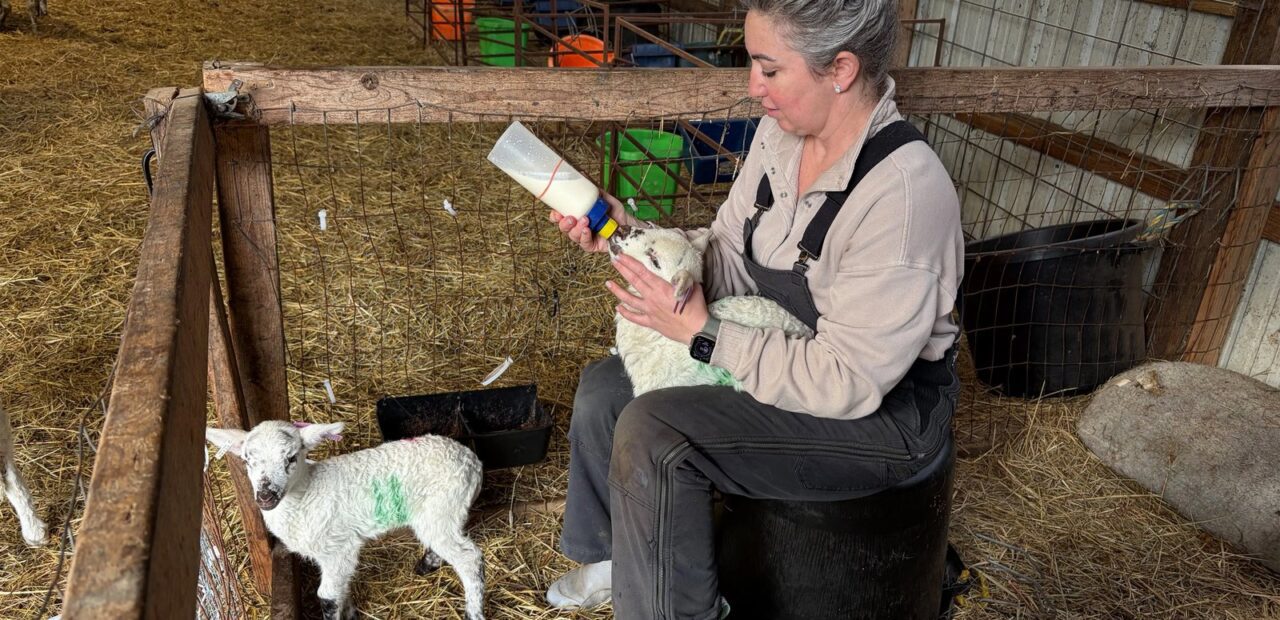
RaDonda Vaught, a former nurse convicted in 2022 of negligent homicide and neglect of an impaired adult for a 2017 medication error that killed a patient at Vanderbilt University Medical Center, now speaks publicly about the incident. She was sentenced to three years of probation and lost her nursing license, then became a full-time farmer on a sheep farm in Bethpage, Tennessee. Since her first speaking engagement in 2023, Vaught has addressed audiences across the country, earning $5,000 to $10,000 per event and telling her story more than 20 times in the prior year. Vaught says she hopes her talks highlight systemic problems in healthcare that can lead to fatal mistakes, such as human error and technology limitations. The patient, Charlene Murphey, died after Vaught administered the paralytic vecuronium instead of the sedative Versed, overlooking warnings including a cap labeled “Warning: Paralyzing Agent.” Vaught pleaded not guilty, citing factors like a new electronic health record system, and a lead investigator for the prosecution testified that Vanderbilt shared some responsibility. The case has led to changes in drug-dispensing cabinets and a Kentucky law providing immunity for on-the-job healthcare mistakes.
What’s reported
RaDonda Vaught was convicted in 2022 of negligent homicide and neglect of an impaired adult for administering vecuronium instead of Versed to patient Charlene Murphey in 2017.
She received three years of probation and lost her nursing license.
Vaught lives on a sheep farm in Bethpage, Tennessee, and sells eggs and meat.
Her first speaking engagement was in 2023 at a TapRooT root cause analysis meeting.
She is paid $5,000 to $10,000 per event and spoke more than 20 times in the prior year.
The error occurred when Vaught typed “VE” into an electronic cabinet, used an override to bypass a delay, and selected vecuronium despite warnings.
Vaught pleaded not guilty, claiming a new electronic health record system contributed; a prosecution investigator said Vanderbilt shared responsibility.
Vanderbilt did not initially report the error to regulators, told the medical examiner the patient died of natural causes, and settled with the family.
Drug-dispensing cabinet makers Omnicell and BD updated machines to require more than two letters of a medication name.
Kentucky passed a unanimous law in 2024 providing immunity for on-the-job healthcare mistakes.
Conflicting accounts
The article reports that Vaught pleaded not guilty and cited factors such as a new electronic health record system, while a lead investigator for the prosecution testified that Vanderbilt shared some responsibility. Retired nurse Gary Wood criticized Vaught’s account, stating that such medical mistakes could never be justified and “put a stain on a proud and dedicated profession.”
Open questions
It is unclear whether Vanderbilt faced any regulatory action beyond its settlement with the Murphey family after failing to initially report the error.
Key figures
RaDonda Vaught – former nurse, convicted of negligent homicide
Charlene Murphey – patient who died from the medication error
Matthew Garvey – nursing consultant who went to nursing school with Vaught and now plans to help nurses in similar cases
Charlene Verga – invited Vaught to speak at Massachusetts Nurses Association clinical nursing conference
Gary Wood – retired nurse who criticized Vaught
Craig Boerner – Vanderbilt University Medical Center spokesperson
Omnicell and BD – companies that make drug-dispensing cabinets
Sources: kffhealthnews.org