



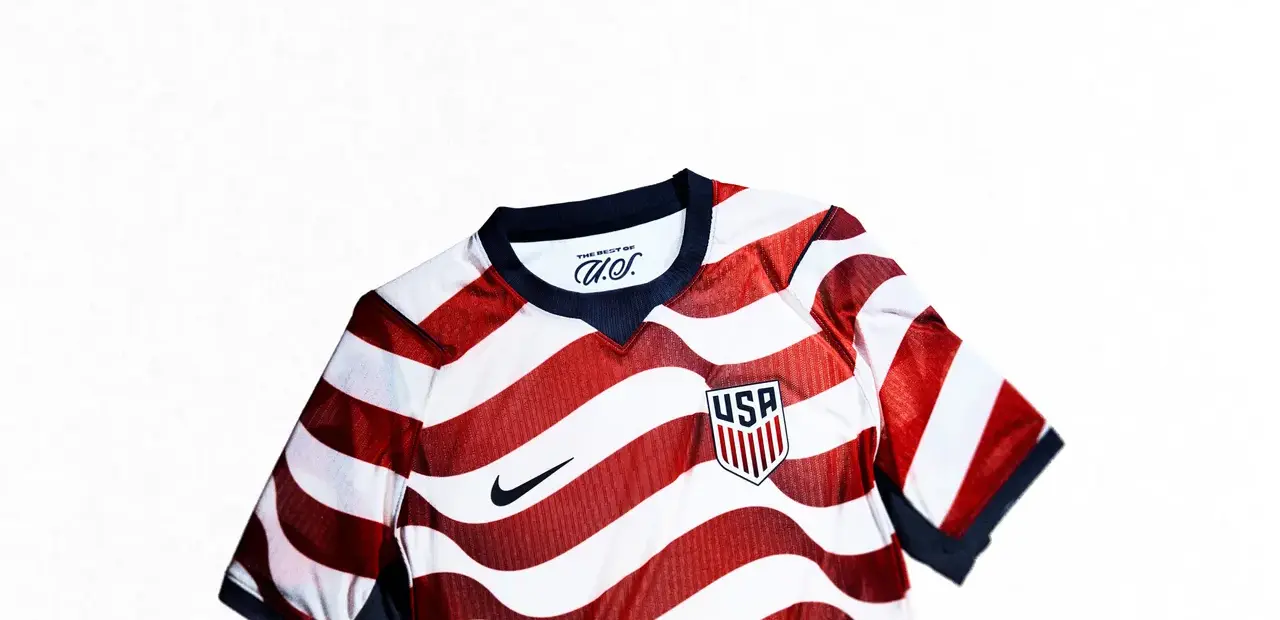
Nike’s Recycled World Cup Uniforms Face Scalability Questions

The Story
In June, athletes from 16 countries will wear World Cup uniforms that Nike says are made from 100 percent textile waste using “advanced chemical recycling.” The company signed deals with two chemical recycling firms, Syre and Loop Industries, but experts quoted in a Grist report reproduced by Wired say the technology is unlikely to reach consumer shelves soon. Researchers noted that chemical recycling works best with clean, uniform industrial scraps, not the blends and contaminants found in postconsumer clothing. Beth Jensen of Textile Exchange agreed that the infrastructure to collect old clothes and recycle them repeatedly remains a distant goal. The article also reports that Loop Industries has never turned a profit and faces an SEC investigation, while Syre has not explained how its planned Vietnam factory will process used apparel given the country’s import ban. Nusa Urbancic of the Changing Markets Foundation argued that the industry should make less clothing overall rather than relying on recycling as an excuse to keep producing plastic garments. Nike, Syre, and Loop Industries did not respond to interview requests, highlighting what the article describes as a transparency problem.
Key Facts
- In June, athletes from 16 countries will wear World Cup uniforms made from recycled fabric.
- Nike said it used “advanced chemical recycling” to produce its first elite performance apparel from 100 percent textile waste.
- Nike signed deals with Swedish firm Syre and U.S.-based Loop Industries.
- Veena Singla of UC San Francisco said chemical recycling is technically possible but unlikely to happen in reality as consumers might expect.
- Diana Ferreira of the University of Minho said chemical recycling works best with clean, well-sorted, polyester-rich waste streams from industrial scraps.
- Beth Jensen of Textile Exchange said infrastructure for accepting used clothing and using methanolysis remains a ways away.
- Dionisios Vlachos of the University of Delaware called Syre’s goal to produce 3 million metric tons by 2032 “too aggressive.”
- Nusa Urbancic of the Changing Markets Foundation said companies need to reverse the trend of fast fashion and make less clothing.
- Loop Industries has never turned a profit, is under SEC investigation, and settled a class-action lawsuit in 2022.
- Syre has not explained how its planned “gigascale” factory in Vietnam will process used clothes given the country’s ban on used apparel imports.
- Nike, Syre, and Loop Industries did not respond to interview requests.
Conflicting Reports
No conflicting reports identified in the source article.
Still Unclear
Will chemical recycling become scalable beyond industrial scrap? Who will build the infrastructure to collect and process postconsumer clothing? How will Syre’s Vietnam factory operate under the country’s ban on used apparel imports?
Misconceptions
The article addresses the misconception that Nike’s World Cup uniforms represent a turning point for sustainable fashion. Experts state that chemically recycled clothing is unlikely to appear on sales racks anytime soon.
Key Figures
- Veena Singla, environmental health researcher at UC San Francisco
- Diana Ferreira, textile researcher at the University of Minho in Portugal
- Beth Jensen, Textile Exchange (nonprofit)
- Dionisios Vlachos, professor of chemical engineering at the University of Delaware
- Nusa Urbancic, CEO of the Changing Markets Foundation
Sources: Wired