


Meteor Explodes Over New England, Causes Loud Boom and Shaking Homes

7 verified4 unconfirmed4 contested
A bright meteor exploded over the northeastern United States on May 30, 2026, creating a loud boom that shook homes and was heard across multiple states and two Canadian provinces. The event occurred at approximately 2:06 p.m. EDT and was detected by NOAA’s GOES-19 weather satellite and confirmed by NASA. According to NASA, the meteor was a natural object and not space debris. Witnesses reported feeling buildings shake and hearing a double boom, with the sound carrying from Delaware to Montreal. The explosion released an estimated 300 tons of TNT of energy, though one source reports a lower figure. The meteor fragmented at an altitude of about 40 miles, traveling at around 75,000 mph, though some reports give different numbers for speed and altitude. No injuries or property damage have been reported.
What’s verified
The meteor exploded over the northeastern U.S. on May 30, 2026, at approximately 2:06 p.m. EDT.
NASA confirmed the event and stated it was a natural meteor, not space debris.
The explosion was detected by NOAA’s GOES-19 satellite.
Witnesses in multiple U.S. states and two Canadian provinces reported a loud boom and felt buildings shake.
The fragmentation occurred at an altitude of about 40 miles above Earth.
The energy released at breakup was estimated at 300 tons of TNT.
The meteor’s speed was approximately 75,000 mph.
Where accounts differ
Energy release: Most reports estimate 300 tons of TNT, but one source gives 230 tons.
Speed: Most reports state 75,000 mph, but one source says 42,000 mph.
Altitude of fragmentation: Most reports say 40 miles, but one source says 31 miles.
Size: One source reports the meteor was 3 feet wide; another says 5 feet in diameter.
Not yet confirmed
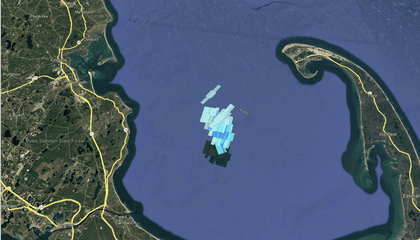
Whether any meteorites reached the ground or fell into Cape Cod Bay, as suggested by one source.
The exact mass of the meteor, which one source puts at 5.6 metric tons.
Whether any injuries or property damage occurred, with only one source reporting no damage.
The specific locations where the boom was heard, though one source includes reports from Delaware to Montreal.
Key figures
Robert Lunsford, fireball report coordinator, American Meteor Society
Jennifer Dooren, deputy news chief, NASA
Shauna Edson, astronomy educator, Smithsonian National Air and Space Museum
Ken Mahan, lead meteorologist, Boston Globe
Sources: smithsonianmag.com, livescience.com, sciencealert.com, earthsky.org