



Leucine enhances mitochondrial energy production, study finds

The Story
Researchers at the University of Cologne discovered that the amino acid leucine, found in protein-rich foods, protects mitochondrial proteins from degradation, allowing cells to generate energy more efficiently. The study was published in Nature Cell Biology.
Key Facts
- Leucine is an essential amino acid that must come from food, found in meat, dairy, beans, and lentils.
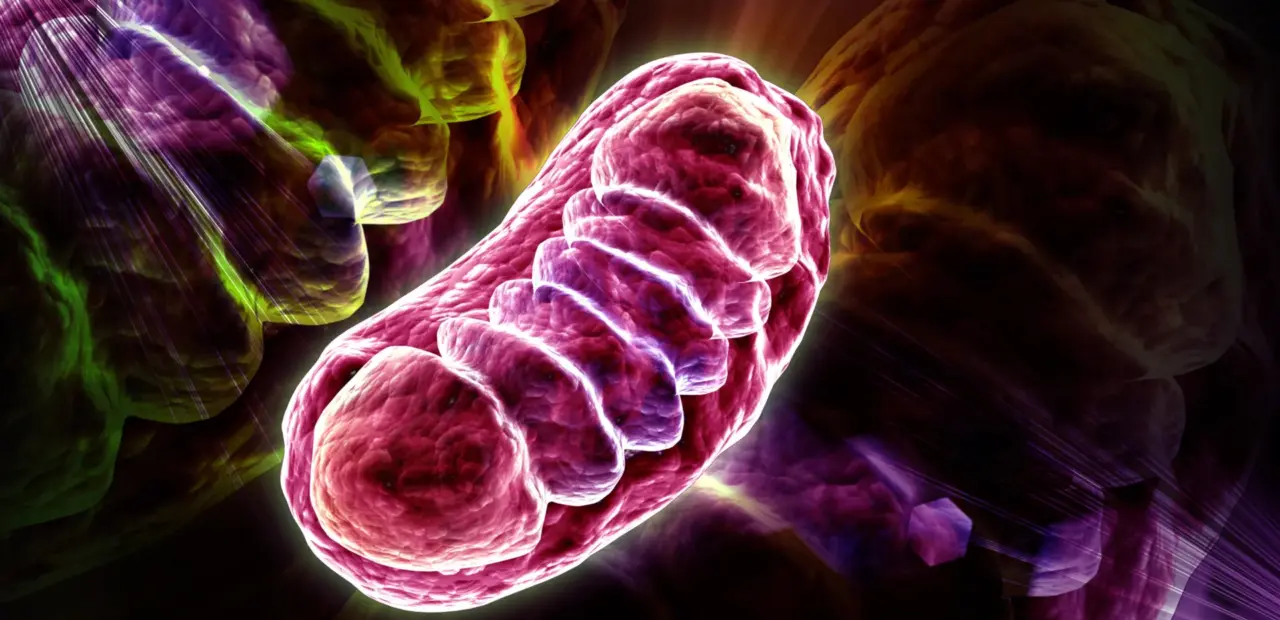
- Leucine prevents the breakdown of proteins on the outer surface of mitochondria, which transport molecules needed for energy production.
- A protein called SEL1L normally marks damaged proteins for destruction; leucine suppresses SEL1L activity, improving mitochondrial efficiency.
- The researchers studied leucine metabolism in the roundworm Caenorhabditis elegans and human lung cancer cells.
- The findings suggest potential implications for cancer and metabolic disease treatments.
Conflicting Reports
No conflicting reports identified in the source article.
Still Unclear
How the mechanism might be translated into treatments for metabolic disorders or cancer in humans.
Misconceptions
No widespread misconceptions addressed in the source article.
Key Figures
- Professor Dr. Thorsten Hoppe, Institute for Genetics and CECAD Cluster of Excellence on Aging Research, University of Cologne
- Dr. Qiaochu Li, first author of the study
Sources: ScienceDaily