


Kashkari says inflation fight takes priority as labor market is ‘in decent shape’

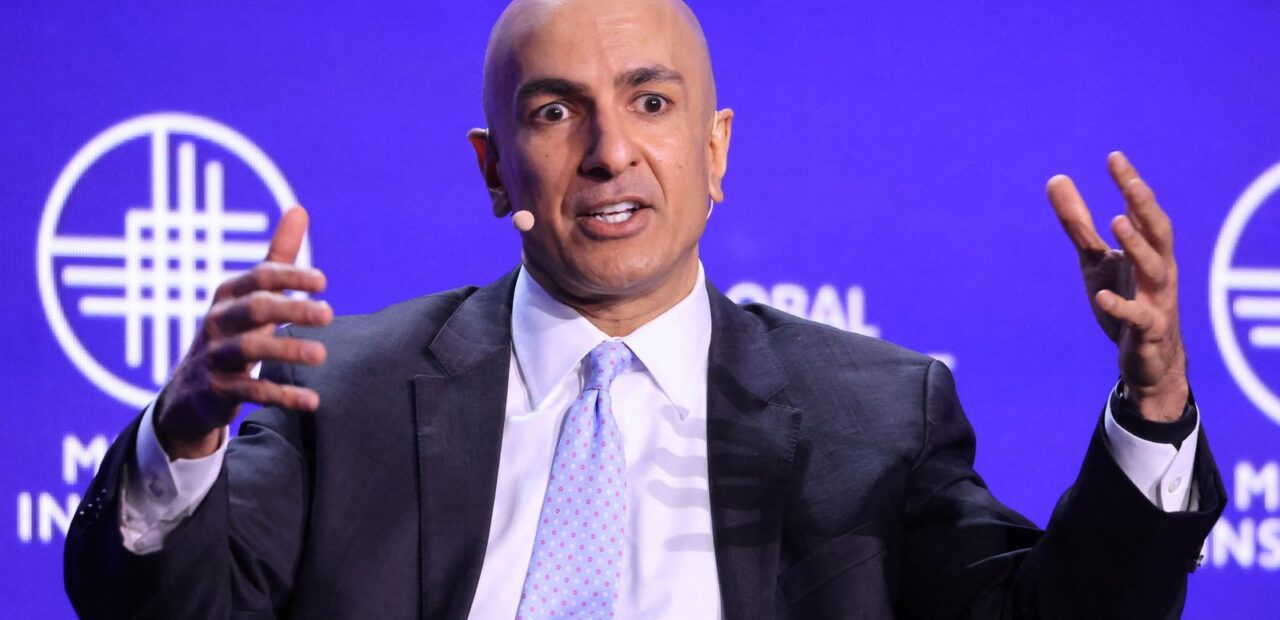
Minneapolis Federal Reserve President Neel Kashkari stated Thursday that reducing inflation remains his top priority, describing consumer prices as still “much too high.” Speaking to CNBC’s Kaori Enjoji at the Bank of Japan-IMES Conference, Kashkari said the central bank is taking a balanced approach to its dual mandate of price stability and full employment. He noted that inflation has been above the Fed’s 2% target for more than five years, while the labor market is currently in “decent shape.” Kashkari warned that the longer inflation stays elevated, the greater the risk that expectations become unanchored, which would require a more aggressive policy response. He attributed recent inflationary pressures to global factors including the pandemic, tariffs, the war in Ukraine, and the conflict in Iran, with energy and fertilizer prices being the main current drivers. On artificial intelligence, Kashkari said it is too soon to know its monetary policy implications, but if it leads to sustained higher productivity, higher interest rates could be sustained. His remarks come as the Fed enters a new era under Chair Kevin Warsh, who has criticized the central bank’s use of forward guidance such as the “dot plot”; Kashkari said he personally does not like filling out the dot plot because the future is uncertain and welcomed a fresh discussion on communication.
What’s reported
Kashkari said inflation remains his top priority and consumer prices are “much too high.”
He spoke at the Bank of Japan-IMES Conference in an interview with CNBC’s Kaori Enjoji.
The labor market is in “decent shape,” while inflation has been above the 2% target for over five years.
If inflation expectations become unanchored, the Fed would need to respond even more aggressively.
U.S. headline inflation was 3.8% in April; core CPI excluding food and energy rose 0.4% month over month and 2.8% year over year.
Global inflationary pressures were fueled by the pandemic, tariffs, the war in Ukraine, and the conflict in Iran.
Kashkari attributed the current surge to energy and fertilizer prices.
On AI, he said it is too soon to know short- and long-term monetary policy implications, but businesses report using AI productively.
The Fed has begun a new chapter under Chair Kevin Warsh, who succeeded Jerome Powell.
Warsh has criticized the Fed’s forward guidance and dot plot; Kashkari said he does not love filling out the dot plot because the future is uncertain.
Open questions
The article does not specify when the Fed might adjust interest rates or provide details on how the conflict in Iran is specifically affecting inflation.
Key figures
Neel Kashkari, Minneapolis Federal Reserve President
Kaori Enjoji, CNBC reporter
Kevin Warsh, Federal Reserve Chair (succeeded Jerome Powell)
Jerome Powell, former Federal Reserve Chair
Sources: CNBC