
Iranians face economic hardship and uncertainty amid fragile ceasefire

The Story
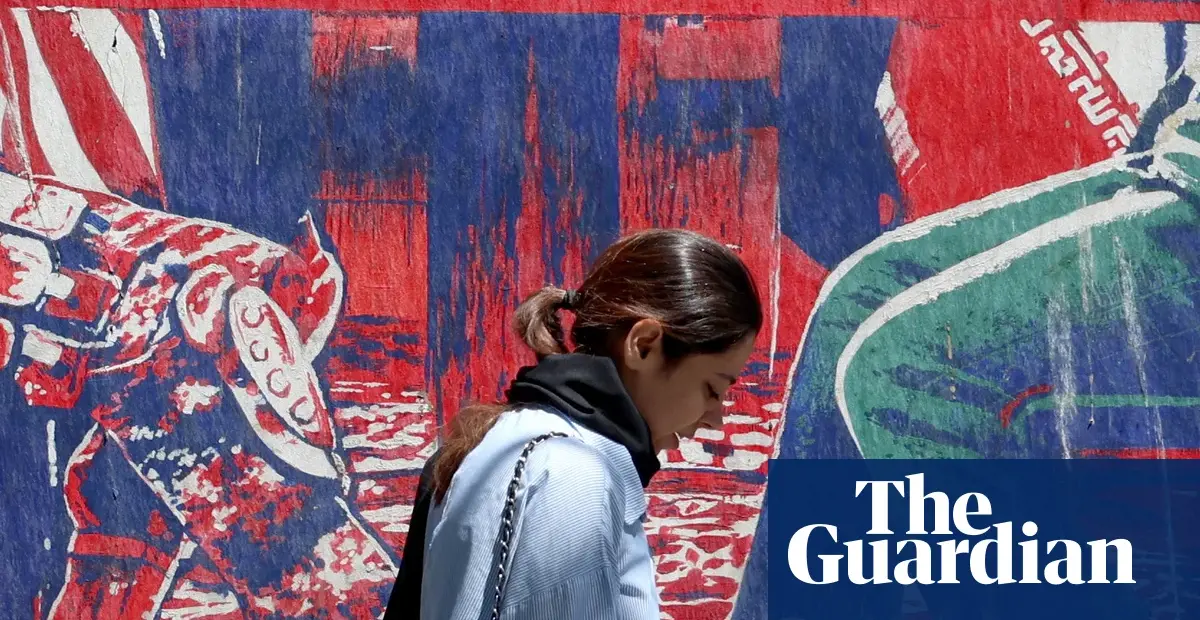
The Guardian reports that Iranians are experiencing worsening economic conditions and deep uncertainty following a war that began on February 28 and a subsequent fragile ceasefire. Speaking under pseudonyms for security reasons, individuals in Tehran and Mashhad described soaring prices for food and medicine, loss of livelihoods from a nearly 90-day internet blackout, and a surge in executions that has heightened fears. One protester said US intervention without a clear plan has left the government emboldened and the economy worse than before the protests began in December. Business owners reported struggling to meet basic needs, while activists raised concerns about children being used for checkpoint inspections and weapons training broadcast on state television. Videos of destroyed homes, music schools, and other civilian infrastructure have circulated widely, with one musician citing strikes on schools, hospitals, research centers, and residential areas. The partial lifting of the internet shutdown has revealed the scale of devastation, and many Iranians have shifted their focus to survival.
Key Facts
- The war started on 28 February 2026, with a partial internet shutdown that lasted nearly 90 days.
- At least 226 people have been executed this year, according to the Norway-based Iran Human Rights NGO (IHRNGO).
- More than 50,000 arrested and thousands killed, according to the US-based Human Rights Activists News Agency (HRANA).
- Soaring prices for groceries and essential medication, along with the internet blackout, have left many struggling to meet basic needs.
- The government has reportedly set up military training booths in Tehran to teach civilians how to operate Kalashnikovs.
- Videos show destroyed shops, homes, and music schools; one Tehran resident reportedly lost 12 members of his family in a strike.
- Strikes hit schools, hospitals, research centres, universities, petrochemical facilities, and residential homes, according to a musician quoted in the article.
- The ceasefire is fragile, with US President Donald Trump oscillating between threats of new military action and predictions of a lasting deal.
Conflicting Reports
The source article describes differing views among Iranians. Some elderly family members believe young protesters were brainwashed and brought shame to the country, while young protesters see the government as executing people just for demonstrating. Some Iranians who initially hoped for US intervention now question whether the cost has been too high.
Still Unclear
Whether the ceasefire will hold; how long it will take for the economy and civilian infrastructure to recover; the full extent of casualties and damage beyond the figures reported by rights groups.
Misconceptions
No widespread misconceptions addressed in the source article.
Key Figures
- Saeed (pseudonym), a protester from Tehran who participated in earlier protests
- Elnaz, a rights activist based in Tehran
- Amir, a business owner from Mashhad
- Noor, 39, a cafe owner from Tehran
- Ro, 42, a musician based in Tehran
- Hamed Mirzaei, a newlywed who reportedly lost 12 family members in a strike
- Hamidreza Afarideh, co-founder of a music academy in east Tehran
Sources: The Guardian