


Iran war fallout may fuel instability in distant nations

9 reported2 unconfirmed
According to a Vox report, the closure of the Strait of Hormuz due to the U.S.-Israel war in Iran is causing fuel and food price shocks that have already sparked protests in several African countries, including Comoros, Kenya, and Mozambique. Experts and humanitarian organizations cited in the report warn that the full impact on food prices may not be felt for months, potentially triggering a severe global food crisis within six to 12 months. The report notes that none of the protests were primarily against the war itself, but against local governments over rising costs. It highlights that nearly a third of global fertilizer trade normally passes through the Strait of Hormuz, and rising energy costs affect food transportation and irrigation. The World Food Program anticipates an additional 45 million people could fall into acute food insecurity if oil prices remain high. The report also notes that the U.S. and Israel are relatively insulated from the closure, while poor countries with no connection to the war face the most acute pain.
What’s reported
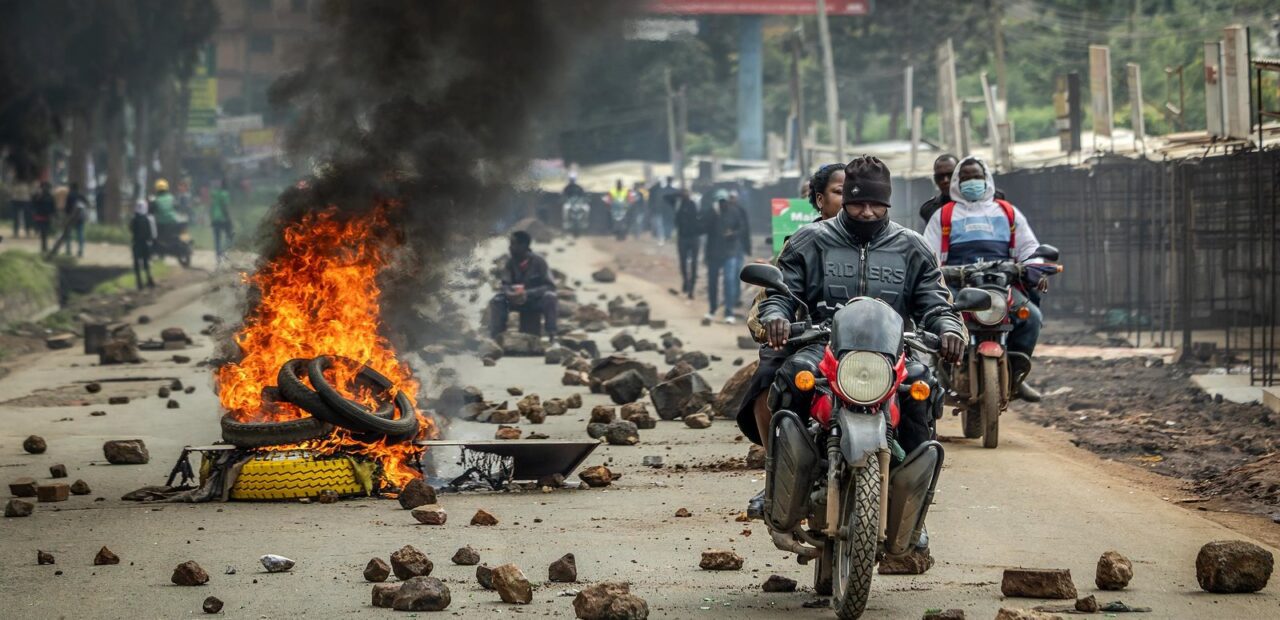
Protests have broken out in several African countries due to fuel price increases caused by the war in Iran and the closure of the Strait of Hormuz.
In Comoros, the government attempted to raise gasoline prices by 35 percent, leading to protests, roadblocks, and one death; the increase was suspended.
Four people were killed in Kenya in May in protests sparked by rising fuel prices.
Bus drivers in Maputo, Mozambique, went on strike over a 46 percent increase in diesel prices.
Nearly a third of global fertilizer trade normally passes through the Strait of Hormuz.
The UN’s Food and Agriculture Organization warned the closure is “the beginning of a systemic agrifood shock.”
The World Food Program anticipates an additional 45 million people could fall into acute food insecurity if oil prices stay around $100 per barrel.
The World Food Program’s budget was slashed by about 40 percent this year, largely due to U.S. aid cuts.
The report states the U.S. and Israel are relatively insulated from the Hormuz closure.
Open questions
When Iran will open the Strait of Hormuz.
The full extent of the food price shock and its timeline.
Key figures
President Donald Trump (mentioned but not quoted)
Cullen Hendrix, senior fellow at the Peterson Institute for International Economics
Caitlin Welsh, director of the Global Food and Water Security Program at the Center for Security and International Studies
Rabah Arezki, senior fellow at Harvard’s Kennedy School
Rami Zurayk, professor at the American University of Beirut
Sources: vox.com