


Functional drinks market grows but health claims face scrutiny

15 reported3 unconfirmed
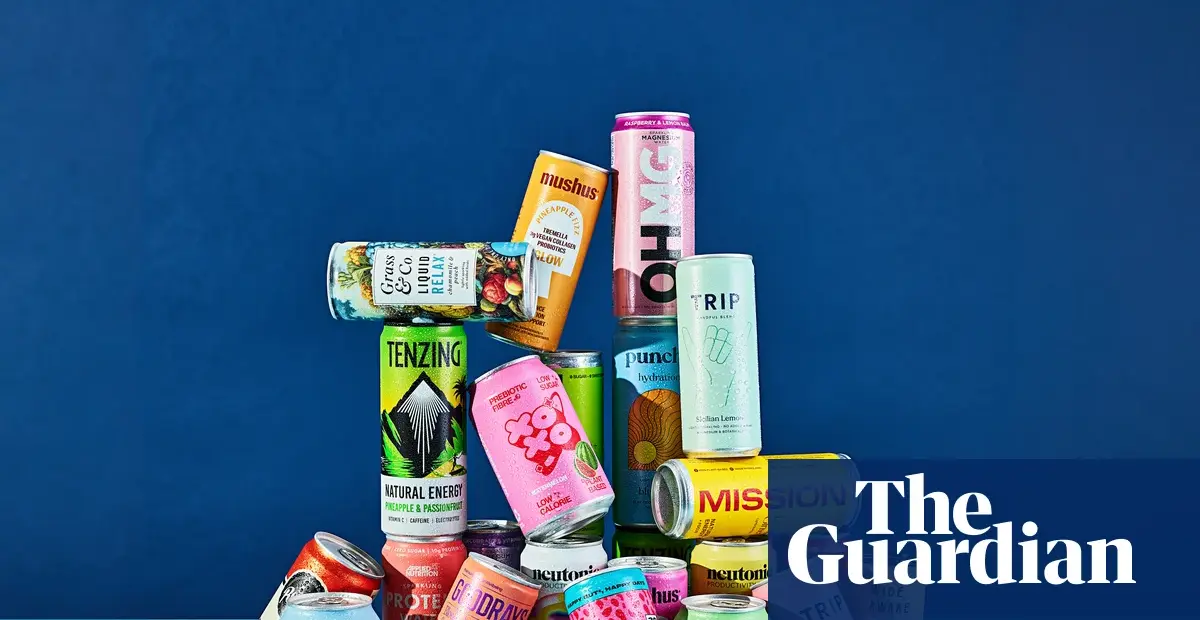
A new generation of functional soft drinks, marketed with promises of improved focus, calm, energy, and gut health, has seen rapid growth, with the global market now worth about £115bn a year and predicted to double by 2030. In the UK, the market generates £100m a year in sales, and a quarter of consumers say they want functional benefits from drinks, up from 13% in 2024. The drinks contain a range of added vitamins, minerals, adaptogens, nootropics, caffeine, CBD, collagen, protein, or probiotics, but experts caution that health claims are often tied to specific ingredients like B12 rather than the overall blend. Some brands have faced regulatory action, including Trip and Myota, for advertising claims that were not permitted. Nutritionists note that many added vitamins are excreted if taken in excess, and that the effects of adaptogens and nootropics lack sufficient long-term research. The article, based on a taste test and expert interviews, does not recommend all products, noting that some contain numerous ingredients with unclear benefits.
What’s reported
Functional drinks are marketed for focus, productivity, relaxation, calm, protein, energy, gut health, and hydration.
The global functional drinks market is worth about £115bn a year and is predicted to be worth twice that by 2030.
In the UK, the market generates £100m a year in sales, with 25% of consumers wanting functional benefits, up from 13% in 2024.
One out of every four new food and drink launches now makes a functional benefit claim, according to Mintel.
Some functional drinks contain added vitamins (A, B12, D) or minerals (magnesium, chromium, molybdenum), adaptogens (ashwagandha, ginseng, reishi, chaga, lion’s mane), nootropics, green tea, yerba mate, matcha, L-theanine, caffeine, CBD, collagen, protein, fibre, or probiotics.
A 2025 complaint against Trip was upheld for ads suggesting the drink could reduce cortisol and promote calm.
In 2025, Myota was censured for illegally suggesting a food product could have medicinal effects.
Health claims on foods, drinks, and supplements are tightly controlled in the UK.
Brands can legally make health claims about certain ingredients, such as B12, if the product contains 15% of an adult’s RDA per 100ml.
Celsius contains 200mg of caffeine per can (about three espressos’ worth) and nearly 300% of the RDA for vitamin B7, plus over 100% for B2, B3, B5, B6, and B12.
Huel’s Daily Greens contains 41 vitamins, minerals, and superfoods, but each serving provides less than 20% of daily phosphorus, iron, zinc, molybdenum, and chromium.
Consultant dietitian Sophie Medlin says functional drinks can help people swap from less healthy drinks like colas, but she would not encourage starting them.
Registered nutritionist Gopi Chandratheva says some drinks add small amounts of vitamins to create a health perception without making a meaningful difference.
Medlin warns that children can be easily overdosed on vitamins from these drinks, and many cans state they are not suitable for children or pregnant/breastfeeding women.
The article notes that adaptogens and nootropics lack sufficient research on long-term effects and clinically significant doses.
Open questions
Whether functional drinks contain clinically or nutritionally significant amounts of adaptogenic and nootropic ingredients, as most cases lack known effective doses.
The long-term effects of daily consumption of these products, as no long-term studies are available.
How mixing multiple adaptogens, nootropics, vitamins, minerals, and stimulants or relaxants may interact with medications or each other.
Key figures
Sophie Medlin, consultant dietitian at City Dietitians
Gopi Chandratheva, registered nutritionist working in the NHS and privately
Cem Yildiz, business strategist
Aleesha Hansel, drinks writer
Gillian Anderson, actress with a functional drinks brand called G Spot
Sources: The Guardian