



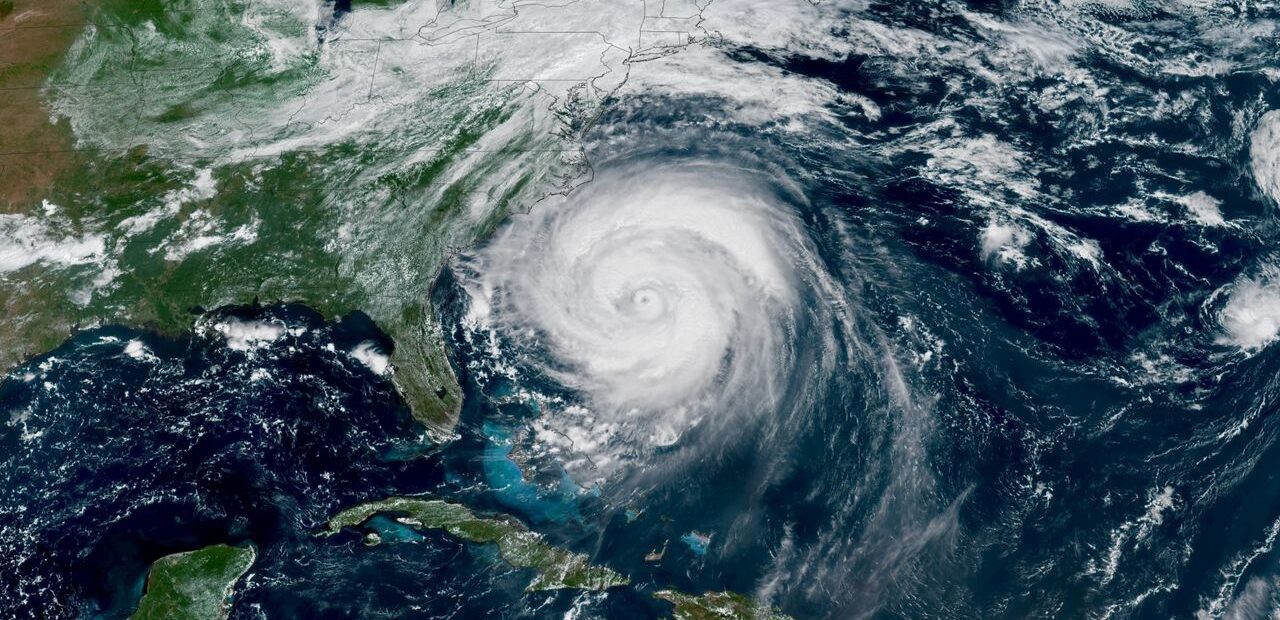
Forecasters predict below-normal 2026 Atlantic hurricane season

5 verified4 unconfirmed
The 2026 Atlantic hurricane season officially begins on June 1, and forecasters are predicting below-normal activity. The National Oceanic and Atmospheric Administration (NOAA) and its National Weather Service (NWS) have issued an outlook calling for 8 to 14 named storms, including three to six hurricanes and one to three major hurricanes of Category 3 or stronger. This compares to an average season, which typically produces 14 named storms, seven hurricanes, and three major hurricanes. Forecasters attribute the below-normal prediction to an expected El Niño pattern developing in the tropical Pacific Ocean, which historically suppresses storm development in the Atlantic basin. Officials emphasized that regardless of the overall forecast, a single storm can cause devastating damage, and they urged the public to prepare now.
What’s verified
The 2026 Atlantic hurricane season runs from June 1 through November 30.
NOAA/NWS forecasts 8–14 named storms, 3–6 hurricanes, and 1–3 major hurricanes (Category 3 or higher).
An average Atlantic season has 14 named storms, 7 hurricanes, and 3 major hurricanes.
The below-normal forecast is based on expectations of an El Niño pattern developing in the Pacific, which tends to suppress Atlantic storm formation.
Ken Graham, director of the National Weather Service, stressed preparedness, noting “it just takes one” storm to cause a destructive season.
Not yet confirmed
The 2025 Atlantic hurricane season had 13 named storms, 5 hurricanes, 4 major hurricanes, 125 total fatalities, and $12.7 billion in damage, according to a single report.
One report stated that Hurricane Melissa in October 2025 made landfall in Jamaica as one of the strongest hurricanes ever, causing 95 deaths and over $12 billion in damage in Jamaica alone.
A single report quoted NOAA Administrator Neil Jacobs as saying the agency is integrating AI-based weather models, drones, and next-generation satellite data.
One report quoted Marc Alessi of the Union of Concerned Scientists as noting that warmer ocean temperatures can lead to rapid hurricane intensification even during a season with overall suppressed activity.
Key figures
Ken Graham, director of the National Weather Service
Neil Jacobs, NOAA Administrator (mentioned in one source)
Marc Alessi, science fellow at the Union of Concerned Scientists (mentioned in one source)
Sources: space.com, Ars Technica