



Food insecurity in US now higher than at pandemic’s peak, New York Fed survey finds

The Story
A Federal Reserve Bank of New York survey released Wednesday found that food insecurity in the United States is now more widespread than at the height of the COVID-19 pandemic six years ago. The survey, conducted in February, shows 10% of families nationwide reported missing meals due to a lack of food, and nearly 16% relied on food donations. Among households earning less than $50,000 a year, rates of food insecurity were roughly twice as high, with nearly 20% forced to skip meals or go without. By comparison, in 2020 only 4% of all households reported missing meals, and less than 7% of lower-income families. Food bank directors in Georgia and Alabama say they are seeing lines of families waiting overnight for distributions and moving into larger facilities to meet rising demand. The New York Fed economists described a “K-shaped economy” where many households are fine while large segments face high financial strain. The survey was conducted before the U.S. war with Iran, which has since added to economic stress through higher gasoline prices.
Key Facts
- The New York Fed survey from February found 10% of U.S. families reported missing meals for lack of food, and nearly 16% relied on food donations.
- Among families earning less than $50,000 a year, nearly 20% were forced to skip meals or go without.
- In 2020, at the height of the pandemic, 4% of all households reported missing meals, including less than 7% of families earning under $50,000.
- Nearly 18% of families surveyed this year received SNAP benefits, up from 10.6% in 2020; among lower-income families, 38% received SNAP versus about 22% in 2020.
- The Agriculture Department halted its own research on food insecurity last year, calling the studies “nothing more than fear mongering.”
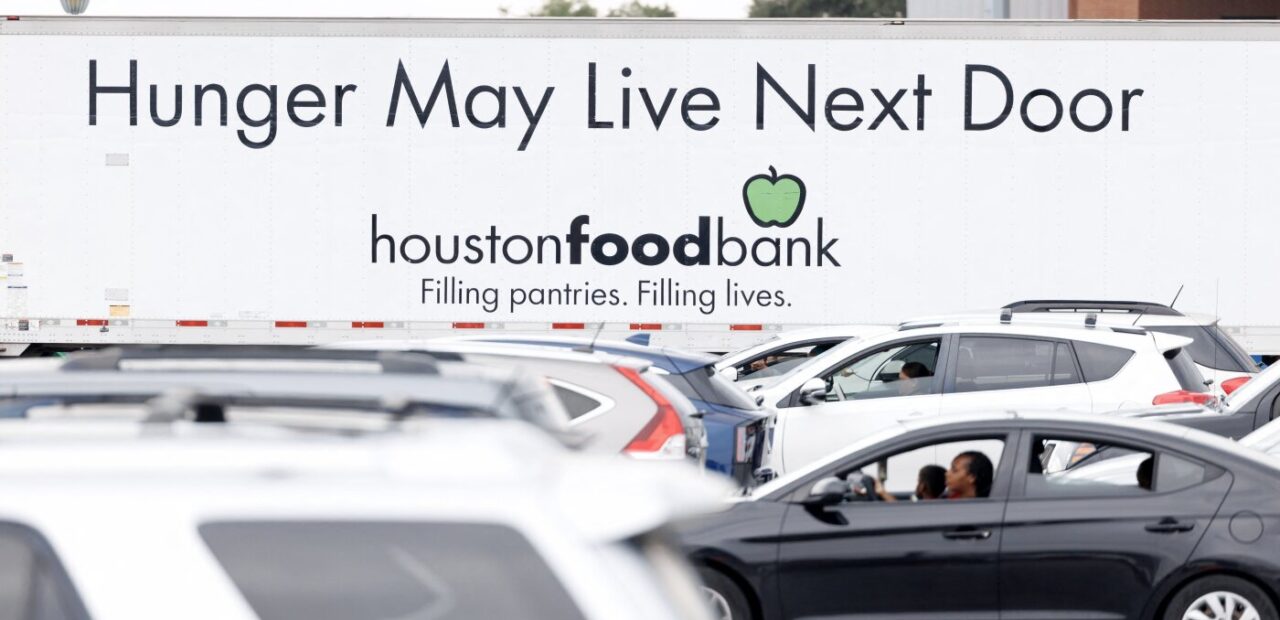
- Food bank directors reported 2-to-3-mile lines of cars waiting overnight for food distributions.
- The New York Fed survey was conducted before the U.S. war with Iran, which caused a spike in gasoline prices.
Conflicting Reports
The Agriculture Department halted its own research on food insecurity last year, saying the studies did “nothing more than fear monger.” This contrasts with the New York Fed’s findings of rising food insecurity.
Still Unclear
The article does not specify how the U.S. war with Iran has further affected food insecurity since the February survey.
Misconceptions
No widespread misconceptions addressed in the source article.
Key Figures
- Amy Breitmann, director of the Golden Harvest Food Bank in Augusta, Georgia
- Nicole Williams, CEO of the Community Food Bank of Central Alabama
- Economists at the Federal Reserve Bank of New York (unnamed in the article, but credited in a blog post)
Sources: NPR