



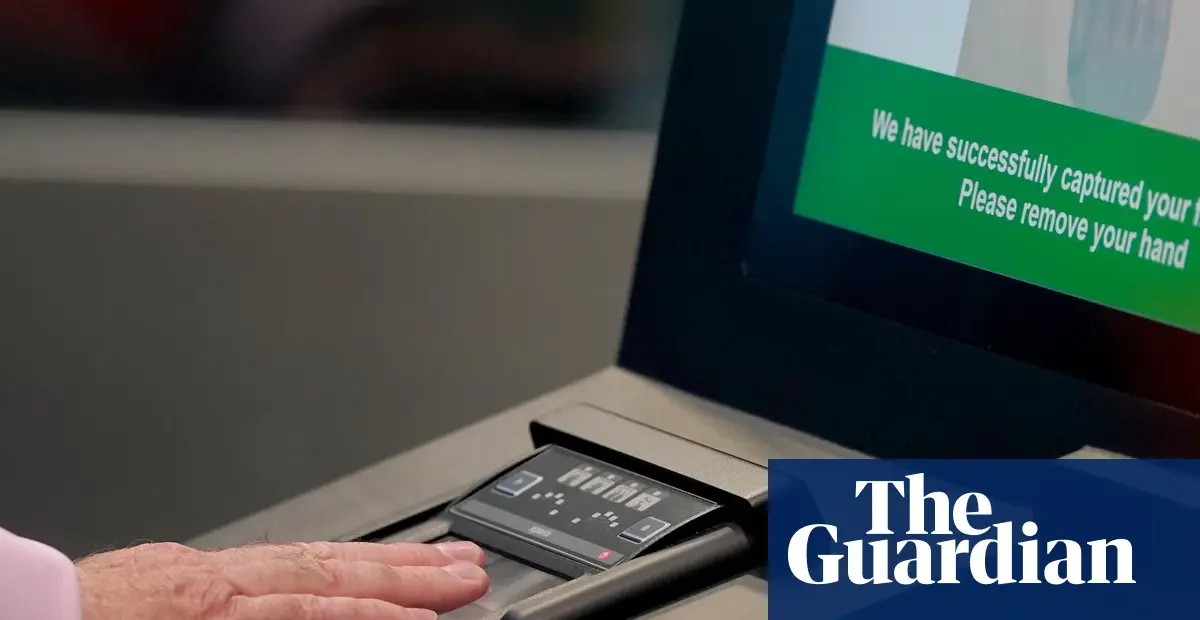
EU refuses to suspend biometric border controls despite 20 problem spots

9 reported2 unconfirmed
The European Union has rejected calls from airports and airlines to suspend its new fingerprinting and facial recognition border control system, known as the entry/exit system (EES), even as officials acknowledge 20 “difficult spots” with queue chaos. With one week before the peak summer holiday season, EU officials told travel industry representatives that a full suspension was “not needed” and “not possible.” Airlines and airport representatives, along with the International Air Transport Association (Iata), had demanded a suspension until next summer, citing delays and missed connections in Portugal, Spain, Italy, Greece and Belgium. EU officials argued that suspending the system in some countries but not others could lead to travelers being stranded at border crossings, for instance if a passenger from Britain entered the Schengen zone where controls were operational but left where they were not, risking being registered as overstaying the 90-day travel allowance. The EU reported that out of 1,500 border crossing points, only 20 were “difficult spots,” and it would pressure member states to ease the situation. The system has captured 110 million journeys and refused entry to about 44,500 people, including overstayers and those using false documents.
What’s reported
The EU rejected calls to suspend the EES biometric border controls, saying a full suspension was “not needed” and “not possible.”
Airlines, airports, and Iata demanded suspension until next summer due to delays in Portugal, Spain, Italy, Greece, and Belgium.
EU officials said suspending the system in some countries but not others could strand travelers and risk overstay violations.
Out of 1,500 border crossing points, 20 were identified as “difficult spots.”
The system has captured 110 million journeys and refused entry to about 44,500 people.
The biggest reason for refused entry was “no appropriate justification of visit or stay”; about 9,000 refusals were for overstaying the 90-day visitor allowance.
More than 1,000 people were stopped as a “threat to internal security,” and 300 were caught using false passports or documents.
Issues with French technology have delayed full implementation at Eurotunnel, which invested £80 million in infrastructure not yet fully switched on.
A time-saving mobile app by Frontex is fully operational only in Sweden and partly in Portugal.
Open questions
It is unclear when the French technology issues at Eurotunnel will be resolved.
It is unclear when the Frontex mobile app will be fully operational in other countries.
Key figures
EU officials (not named individually)
International Air Transport Association (Iata)
Ryanair (airline)
Frontex (EU border agency)
Sources: The Guardian