



El Niño disrupts Pacific fisheries, creating winners and losers

8 reported1 unconfirmed
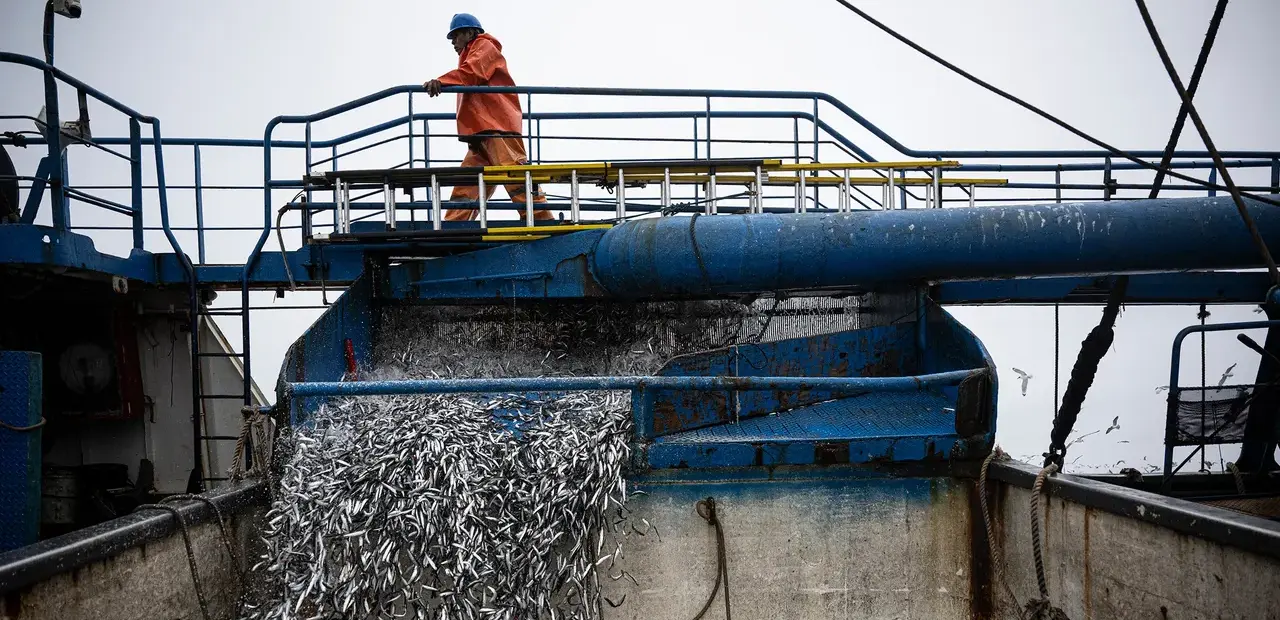
According to a report from Wired, the "super" El Niño weather pattern, characterized by warmer-than-average sea surface temperatures, is already affecting fisheries globally. In Peru, government officials have canceled the anchovy fishing season, a key export and source of fish oil and animal feed. The Indian government is preparing for smaller, less plentiful Indian mackerel, while Southern California fishers report some of the most successful tuna fishing months they have seen. The report notes that El Niño can decimate some species while making others easier to catch, leading to instability for fishers and potential price fluctuations for consumers. The phenomenon, named by Peruvian fishers hundreds of years ago, occurs every two to seven years and disrupts normal ocean upwelling, affecting nutrient availability. The report is based on a single source, Wired, and cannot be independently verified.
What’s reported
Peru's government has effectively canceled the fishing season for anchovies.
Indian mackerel are expected to be smaller and less plentiful this season.
Southern California fishers have reported some of the most successful months of tuna fishing they have ever seen.
El Niño is a natural Pacific weather pattern that occurs every two to seven years.
The phenomenon weakens trade winds, slowing upwelling of cold, nutrient-dense water.
Anchovies are forced to search for food in deeper waters, making them harder to catch.
Warm-water species like skipjack tuna stray toward coastal waters of the Americas during El Niño.
Seafood prices are liable to change due to El Niño's impacts, with jack mackerel and corvina prices reportedly doubling in local Peruvian markets.
Open questions
The exact impacts of this El Niño will depend on how it forms and when its peak arrives, according to the source.
Key figures
Juan Carlos Sueiro, economist and fisheries director for the nonprofit Oceana Peru.
Humberto Speziani, Peruvian industrial fishing adviser and former director of the International Marine Ingredients Organization.
Arnaud Bertrand, senior scientist at the French National Research Institute for Sustainable Development.
Sources: Wired