


Ebola treatment trial enrolls first patients in DRC outbreak

13 reported2 unconfirmed
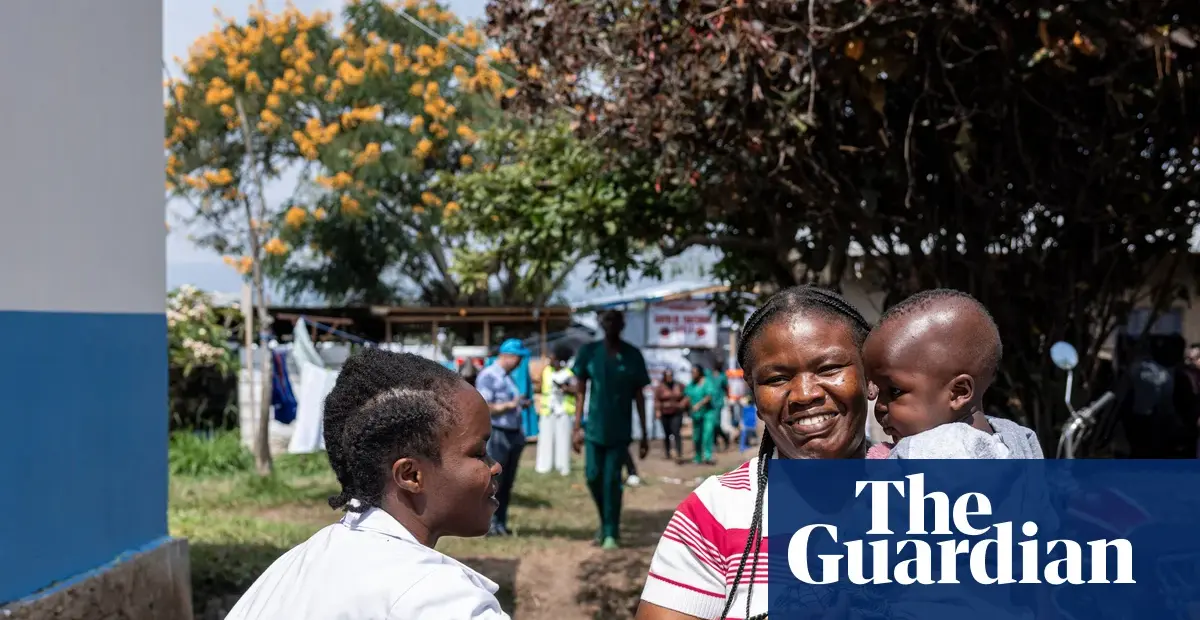
The first patients have been enrolled in a treatment trial for the Ebola outbreak in the Democratic Republic of the Congo, six weeks after the World Health Organization declared the outbreak a public health emergency of international concern on May 17. Scientists described the pace as a record for setting up and starting this kind of research. The outbreak involves the Bundibugyo strain of the Ebola virus, for which there is no approved vaccine or treatment. As of July 9, there had been 1,792 confirmed cases and 625 deaths. The response relies on identifying cases, isolating them, and tracking contacts, but low trust in authorities and a highly mobile population are hampering efforts. Some frontline workers stopped work this week in protest at a lack of pay, and DRC officials said payments had been made but it is unclear whether activities have fully resumed. The Partners treatment trial has opened with two drugs: remdesivir, made by Gilead Sciences, and MBP134, a monoclonal antibody developed by Mapp Biopharmaceutical. Patients will be randomly allocated to receive either drug, a combination, or standard supportive care. Researchers hope to see a substantial drop in death rates, with results likely needing between 700 and 1,000 patients enrolled.
What’s reported
First patients enrolled six weeks after WHO declared the outbreak a public health emergency of international concern on May 17.
As of July 9, there were 1,792 confirmed cases and 625 deaths from the Bundibugyo strain.
No approved vaccine or treatment exists for the Bundibugyo strain.
About 75% of known contacts are being traced.
Some frontline workers stopped work this week in protest at a lack of pay.
DRC officials said payments had been made but it is unclear if activities have fully resumed.
The Partners trial includes remdesivir (Gilead Sciences) and MBP134 (Mapp Biopharmaceutical).
Patients will be randomly allocated to receive either drug, a combination, or standard supportive care.
Enough remdesivir and MBP134 have been donated for 1,200 patients.
Patients of any age, including pregnant and breastfeeding women, can enroll.
A result is likely to need between 700 and 1,000 patients enrolled.
Another trial is due to begin this week testing obeldesivir on people who have been in contact with cases.
Africa CDC said that trial needs around $18m, with $6m committed to date.
Open questions
Whether frontline workers have fully resumed work after the protest over lack of pay.
How long it will take to enroll enough patients for a statistically significant result.
Key figures
Neema Haba, mother of three and banana seller in Bunia
Ovide Maliabo, driver for a burial team in Rwampara
Bahati John, head of a burial team
Prof Laurens Liesenborghs, Institute of Tropical Medicine, Antwerp
Prof Amanda Rojek, international principal investigator for Partners, University of Oxford
Prof Yap Boum, head of emergency response, Africa CDC
Sources: The Guardian