


Ebola at World Cup unlikely; measles, flu, STIs pose greater risk, physician says

The Story
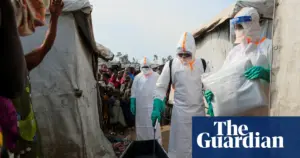
As the 2026 FIFA World Cup approaches, speculation about Ebola transmission at the event has circulated, but an opinion article in STAT News argues such fears are largely unfounded. The article, written by infectious disease physician Krutika Kuppalli, states that the current Ebola outbreak in the Democratic Republic of Congo is serious but that the likelihood of widespread transmission during the World Cup is extremely low. Ebola is not airborne and is only contagious after symptoms appear, requiring direct contact with bodily fluids. Additionally, travel barriers from outbreak regions include limited flights, visas, and exit screening. The article warns that exaggerated fears about Ebola may distract from more plausible health threats at mass gatherings, such as influenza, Covid-19, RSV, measles, norovirus, and sexually transmitted infections. Measles is highlighted as a particular concern due to declining vaccination rates in the U.S. Other risks include heat-related illness, dehydration, crowd crush injuries, and strained health systems. The piece also notes that the U.S. public health infrastructure remains weakened from political attacks, workforce burnout, and underfunding, which could affect preparedness for the event.
Key Facts
- The article states that the current Ebola outbreak in the Democratic Republic of Congo is serious and deserves global attention.
- Ebola is not airborne; transmission requires direct contact with bodily fluids from a symptomatic person.
- Travel barriers from outbreak regions include limited flight availability, visa requirements, exit screening, and geopolitical restrictions.
- The article identifies influenza, Covid-19, RSV, measles, and norovirus as more realistic concerns than Ebola at the World Cup.
- Measles is a particular worry due to increasing outbreaks fueled by declining vaccination rates in the United States.
- Sexually transmitted infections, including gonorrhea, chlamydia, syphilis, HIV, and mpox, are also a risk during large international gatherings.
- Non-infectious risks include heat-related illness, dehydration, crowd crush injuries, and disruptions to health care access.
- The U.S. public health infrastructure remains weakened from years of political attacks, workforce burnout, chronic underfunding, misinformation, and erosion of public trust.
Conflicting Reports
No conflicting reports identified in the source article.
Still Unclear
No open questions identified in the source article.
Misconceptions
The source article addresses the misconception that Ebola could spread widely at the World Cup, explaining that Ebola is not airborne and is only contagious after symptoms appear, and that travel barriers make transmission unlikely.
Key Figures
Krutika Kuppalli – infectious diseases physician in Dallas, with experience in Covid-19, mpox, and Ebola, including work for the World Health Organization.
Sources: statnews.com