



Drug durvalumab reduces need for bladder removal, trial finds

A trial led by the Institute of Cancer Research, London, found that the immunotherapy drug durvalumab, when added to chemotherapy and radiotherapy, can spare bladder cancer patients the need for surgery to remove the bladder. Bladder cancer is the ninth most common cancer worldwide, and advanced forms often require removal of the entire bladder. The phase-two trial, funded by AstraZeneca and the University of Birmingham, tested 54 patients, and cancer did not return in 46 of them (85%). In earlier trials without immunotherapy, the combination of chemotherapy and radiotherapy prevented recurrence in 60% of patients. Results were presented at the American Society of Clinical Oncology’s annual meeting in Chicago. Researchers said the approach could be practice-changing by improving outcomes while preserving quality of life. Cancer Research UK’s chief executive called the results potentially life-changing but noted that larger-scale research is needed.
What’s reported
Bladder cancer is the ninth most common cancer in the world.
Advanced or aggressive forms are often treated with surgery to remove the entire bladder.
Durvalumab is a PD-L1 inhibitor that helps the immune system spot and destroy cancer cells.
A phase-two trial tested durvalumab added to chemotherapy and radiotherapy in 54 patients.
Cancer did not come back in 85% of those patients (46 of 54).
In previous trials without immunotherapy, chemo-radiotherapy prevented return in 60% of patients.
The trial was led by the Institute of Cancer Research, London, and funded by AstraZeneca and the University of Birmingham.
Results were presented at the American Society of Clinical Oncology’s annual meeting in Chicago.
Key figures
Nick James, professor of prostate and bladder cancer research at the Institute of Cancer Research, London
Kristian Helin, chief executive of the Institute of Cancer Research, London
Michelle Mitchell, chief executive of Cancer Research UK (not involved in the study)
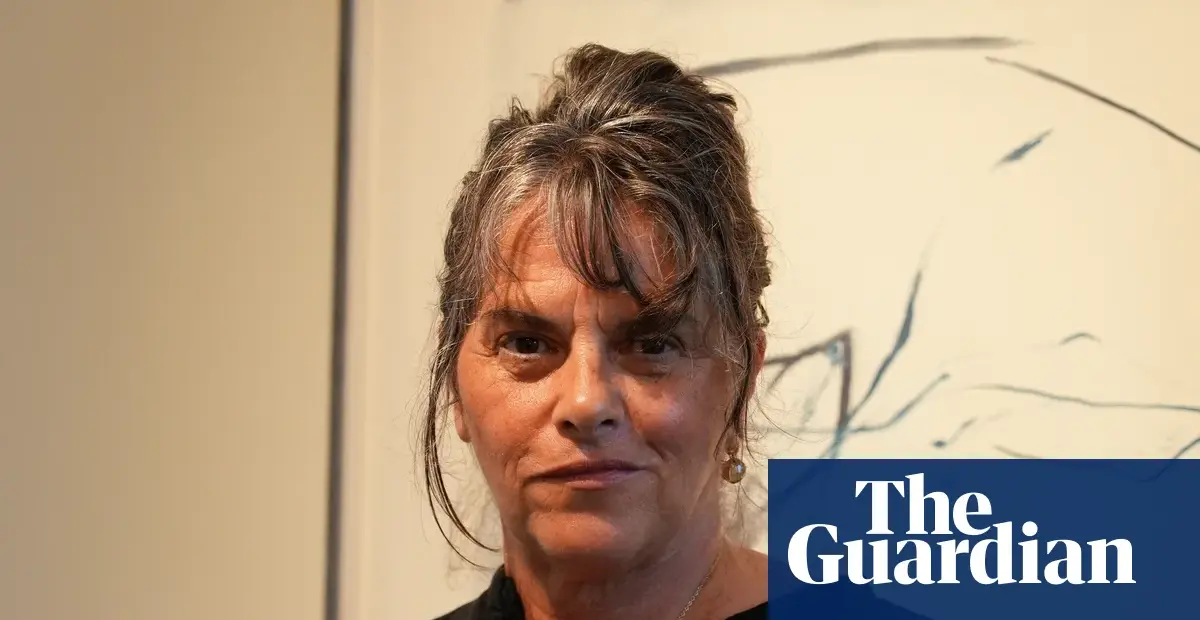
Tracey Emin, artist who had bladder cancer surgery in 2020
Sources: The Guardian